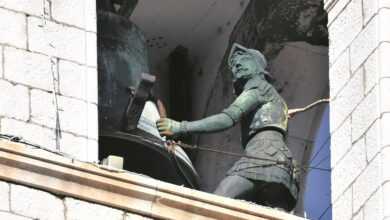
There is always more beyond the postcard
Dubrovnik has a way of holding attention. The walls, the stone, the light on the sea, the rhythm of people moving through the Old Town — all of it is immediate, and all of it is easy to understand. But one of the nicest things about this part of the world is that Dubrovnik never really ends at the walls.
It simply changes character.
Step outside the city, and the experience becomes quieter, wider and somehow more textured. The region opens into places that do not compete with Dubrovnik’s beauty, but answer it differently. Konavle, Cavtat, Ston and Mljet each offer their own version of the south — slower, softer and often more intimate.
That is what makes them worth exploring. Not because they are convenient additions to an itinerary, but because they reveal another side of the Dubrovnik story.
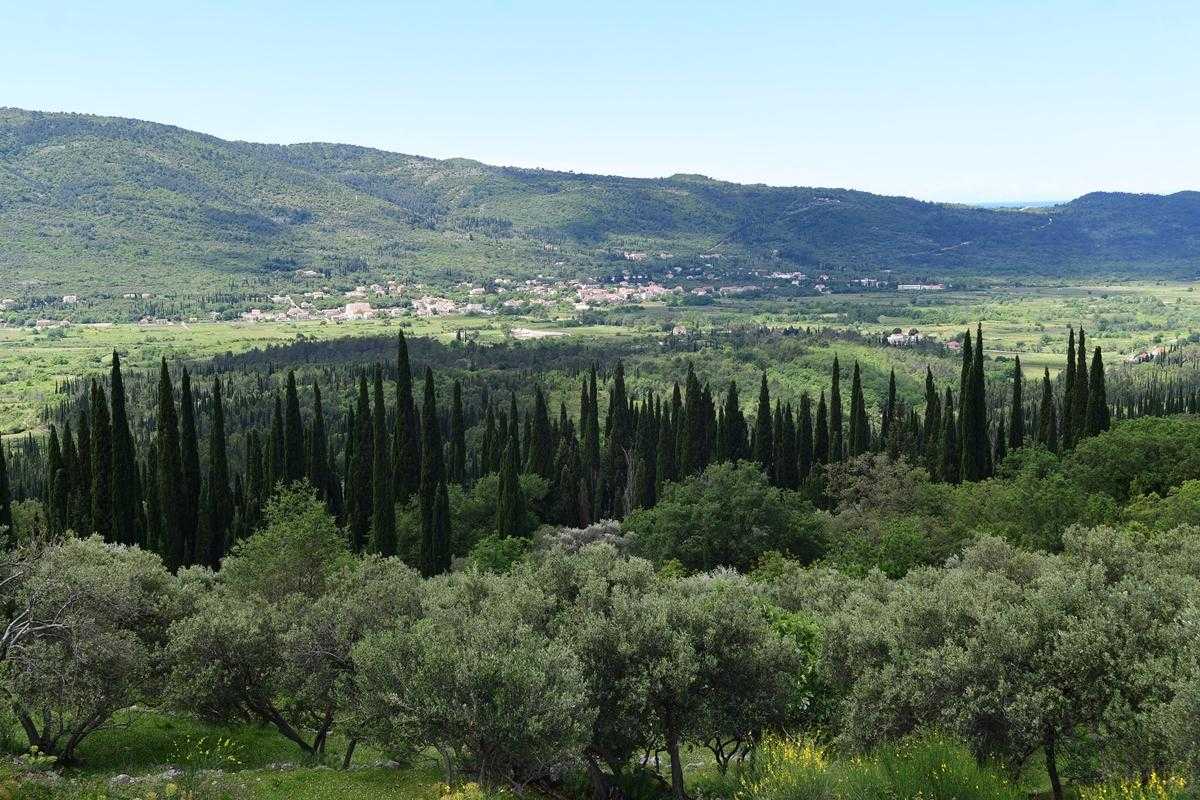
Konavle feels rooted in the land
If Dubrovnik is shaped by stone and sea, Konavle often feels shaped by the land — by open fields, fire, family tables and a strong sense of continuity. It is one of those places where tradition does not feel arranged for visitors. It still feels lived in.
That becomes clear in the food, in the landscape and in the pace of life. There is a sense of space in Konavle that contrasts beautifully with the contained intensity of the Old Town. Meals take longer. Views open wider. The atmosphere feels less performative and more grounded.
What stays with many visitors is not one single sight, but the feeling of entering a place where older rhythms still make sense.
Cavtat offers elegance without effort
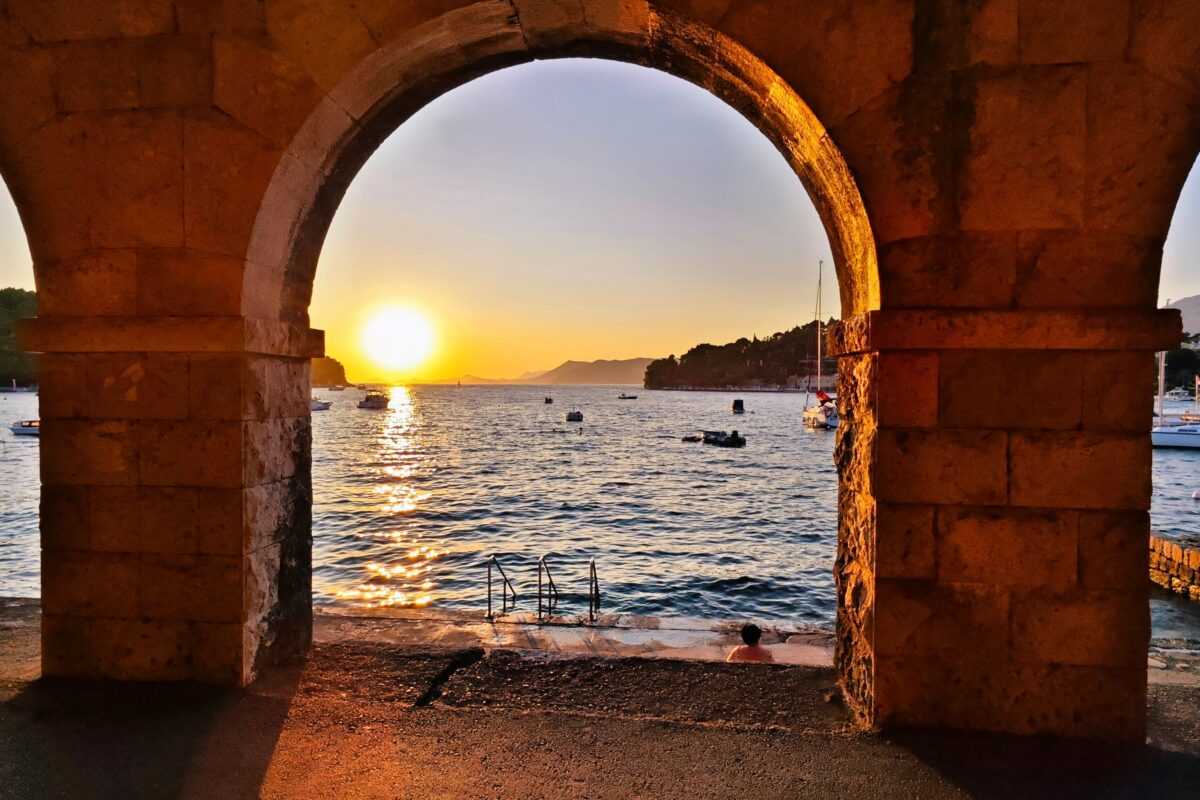
Cavtat has a very different kind of charm. It is polished, but relaxed. Beautiful, but not demanding. The seafront, the palms, the boats, the villas and the slower movement of the promenade give it an elegance that never feels too formal.
What makes Cavtat special is not only that it is attractive, but that it is easy to inhabit. You do not need a plan there. You can simply walk, stop, sit, look and continue. It is one of those places that feels complete without needing to prove anything.
For some visitors, that becomes its greatest appeal. Cavtat does not overwhelm. It settles gently.
Ston still feels shaped by work
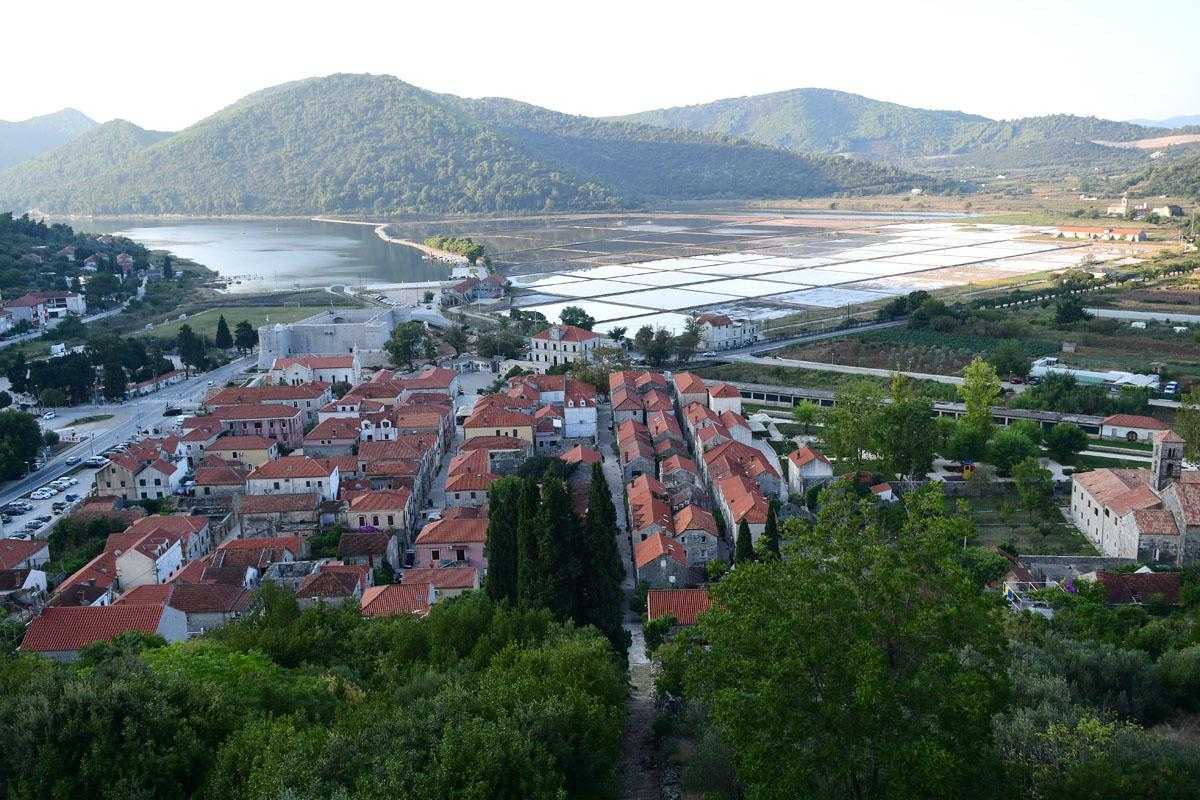
There is something strong and elemental about Ston. Salt, stone, shells, walls and wind — the place feels built out of materials that still matter. It does not read like a polished resort version of history. It feels closer to labour, endurance and the practical intelligence that shaped life on this coast for centuries.
That is part of its power. Ston is beautiful, but in a more restrained way. It speaks through texture rather than spectacle. Through salt pans, oysters, old defensive lines and the sense that the landscape itself has always been part of the story.
It is a place that feels deeply local and, because of that, deeply memorable.
Mljet leaves a different kind of impression
Then there is Mljet, which has its own emotional register entirely.
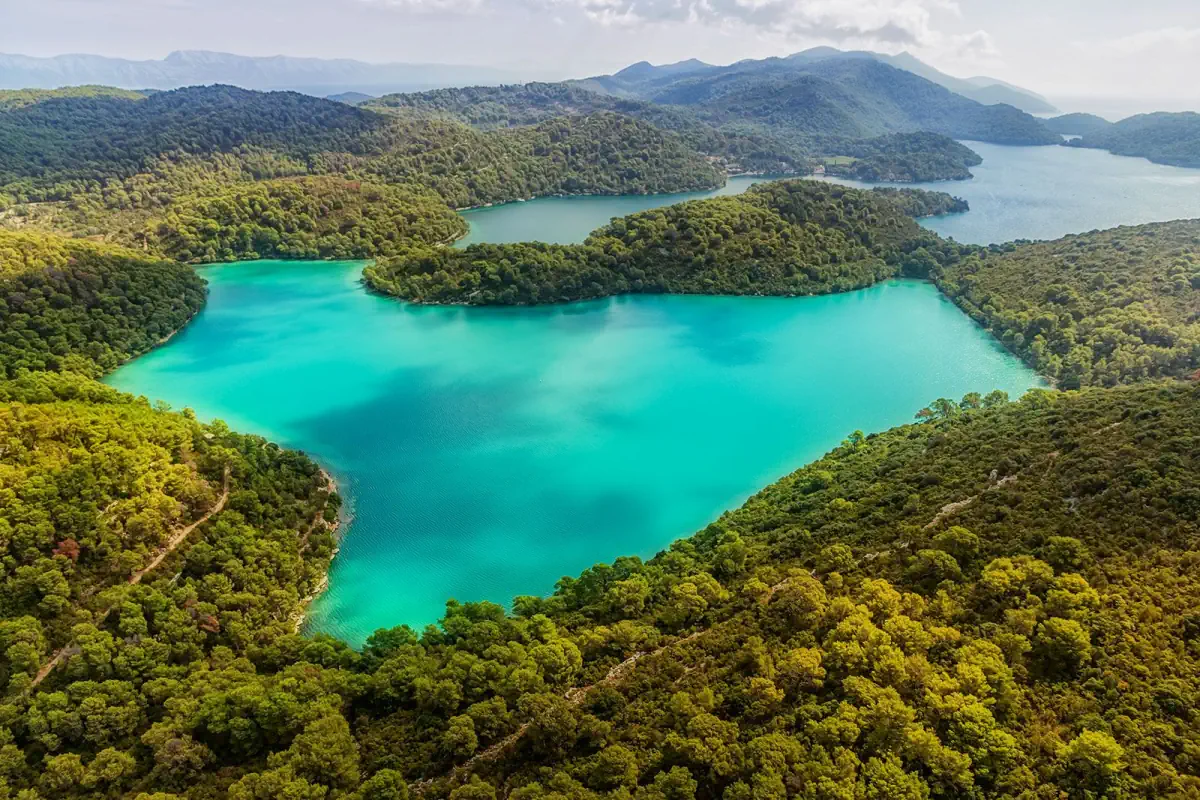
Some places impress immediately. Mljet tends to stay with people later. It is greener, quieter and more removed, and that distance is part of its charm. Time feels altered there. The island invites a different kind of attention — less about seeing more, more about settling into what is already around you.
That is why Mljet often becomes the part of the journey people remember in a different tone. Not with excitement exactly, but with affection. It feels less like a checklist destination and more like a pause that happened to become important.
The region changes the meaning of Dubrovnik
Perhaps the real reason to go beyond the walls is not simply to see more places. It is to understand Dubrovnik differently.
The city becomes richer when seen alongside the wider region. Konavle brings depth to its traditions. Cavtat softens its intensity. Ston reminds you of the material history behind the coast. Mljet gives the entire area a quieter horizon.
Together, these places make Dubrovnik feel less like a single destination and more like the centre of a wider world with many registers — urban and rural, elegant and raw, celebrated and still half-hidden.
Not everything has to be a day trip
That may be the most important point of all.
Places like Konavle, Cavtat, Ston and Mljet deserve more than being reduced to efficient excursions or neatly packaged recommendations. They are not only somewhere to “do” for a few hours before returning to the city. They are places with mood, memory and identity of their own.
And that is exactly why they matter.
Beyond Dubrovnik’s walls, the region begins to speak in a different voice, slower, less obvious and often more personal. For travellers willing to move a little more gently, that is where some of the best stories begin.