Some Dubrovnik stories are not told by monuments, dates or postcards. Some are carried by people, by the way they look at the city, the way they speak, create, remember and return to it.
In the case of Mara Bratoš and Nikša Kušelj, Dubrovnik is not just a place of origin. It is a rhythm, a visual memory, a stage, a family language and a quiet source of inspiration that continues to follow them wherever their work takes them.
She is one of Croatia’s most distinctive photographers, an artist whose camera often searches for intimacy, traces of time and the delicate relationship between people and places. He is an actor, musician, poet and performer, a man of theatre and voice, whose artistic world moves naturally between drama, music, literature and the Mediterranean temperament.
Together, they form one of those creative Dubrovnik couples whose story feels both public and deeply personal.
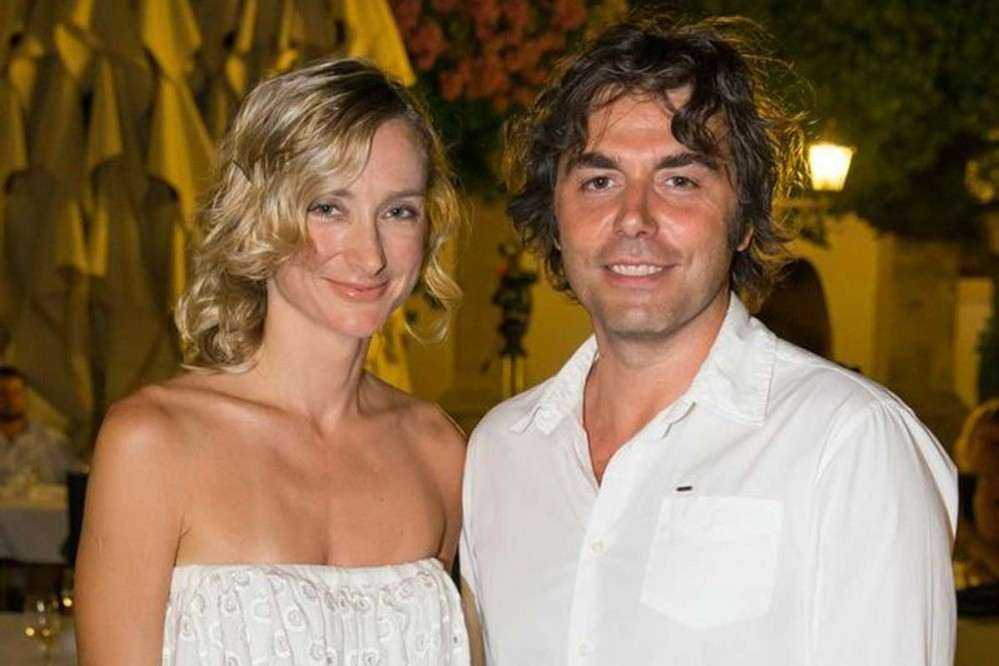
Mara Bratoš: The Eye That Remembers
Born in Dubrovnik, Mara Bratoš built her artistic language through photography, but also through a profound sensitivity to atmosphere. After studying cinematography at the Academy of Dramatic Art in Zagreb, she developed a career that brought together artistic photography, portraits, theatre photography and long-term visual projects.
Her work has often returned to themes that are close to her personally: the body, memory, time, women, relationships and the spaces that shape us. Dubrovnik, with its stone, light, sea and layered emotional landscape, is never far from that world.
Mara’s photographs are not loud. They do not need to be. They often speak in silence, through a glance, a gesture, a shadow, a face, a room, a trace. Whether photographing people, theatre, places or herself, she has a rare ability to capture not only what is visible, but what remains just beneath the surface.
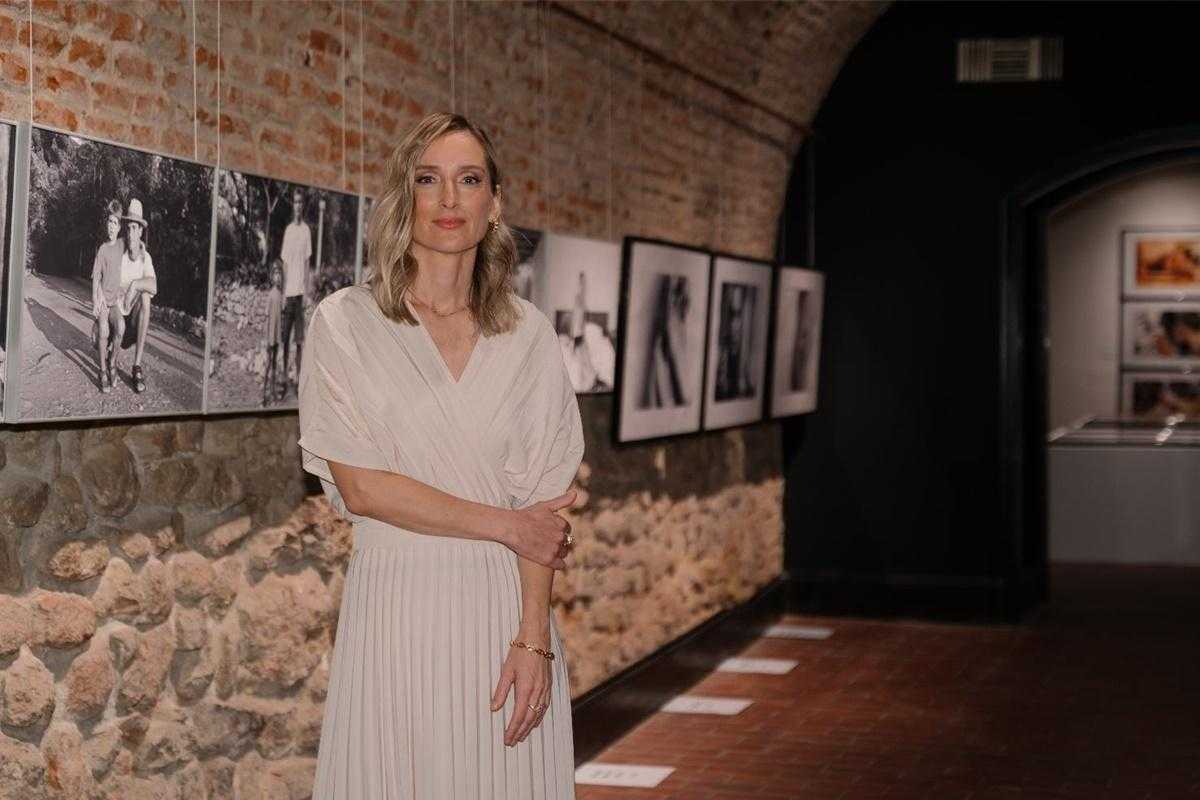
Over the years, her work has been shown in numerous exhibitions, while her 2024 exhibition Mara Bratoš / Photographs at the Klovićevi dvori Gallery offered a broad view of three decades of artistic work, from her early pieces to more recent projects. It confirmed what those familiar with her photography already knew: Mara Bratoš is one of the important names of contemporary Croatian photography.
Nikša Kušelj: A Man of Stage, Voice and Memory
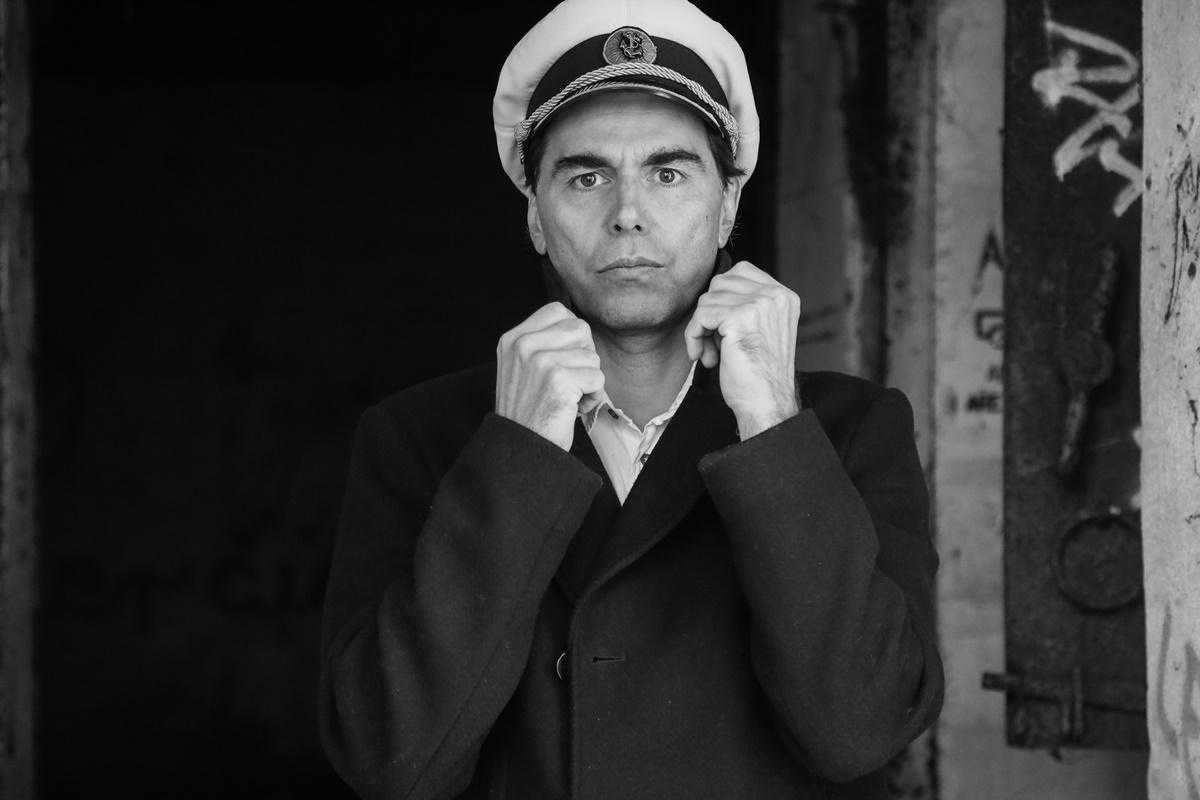
Nikša Kušelj belongs to a different, but equally expressive artistic world. Born in Dubrovnik and deeply connected to Cavtat and Konavle, he carries the south in his speech, presence and imagination.
A graduate of the Academy of Dramatic Art in Zagreb, he has built a strong theatre, film and television career, becoming a member of the Drama ensemble of the Croatian National Theatre in Zagreb. His stage path includes roles in major productions, including works by Shakespeare, Držić, Vojnović and many others, while Dubrovnik audiences also know him through performances connected to the Dubrovnik Summer Festival.
But Nikša has never been only an actor. He is also a musician, poet, author and creator of stage-musical projects. His artistic world often returns to the sea, memory, old Dubrovnik, the Mediterranean and the emotional landscapes of childhood and belonging.
In recent years, that side of him has become especially visible through poetry and music, including the collection Dolce Garbo and performances with his ensemble Glasine. When he brings music and words to a Dubrovnik stage, especially one as atmospheric as Park Orsula, it feels less like a concert and more like a conversation with the city.
A Love Story Close to Their Roots
Mara and Nikša knew each other long before their relationship became a love story. For years, their paths crossed through work, art and the shared world of Dubrovnik people who recognise one another even before they begin to speak.
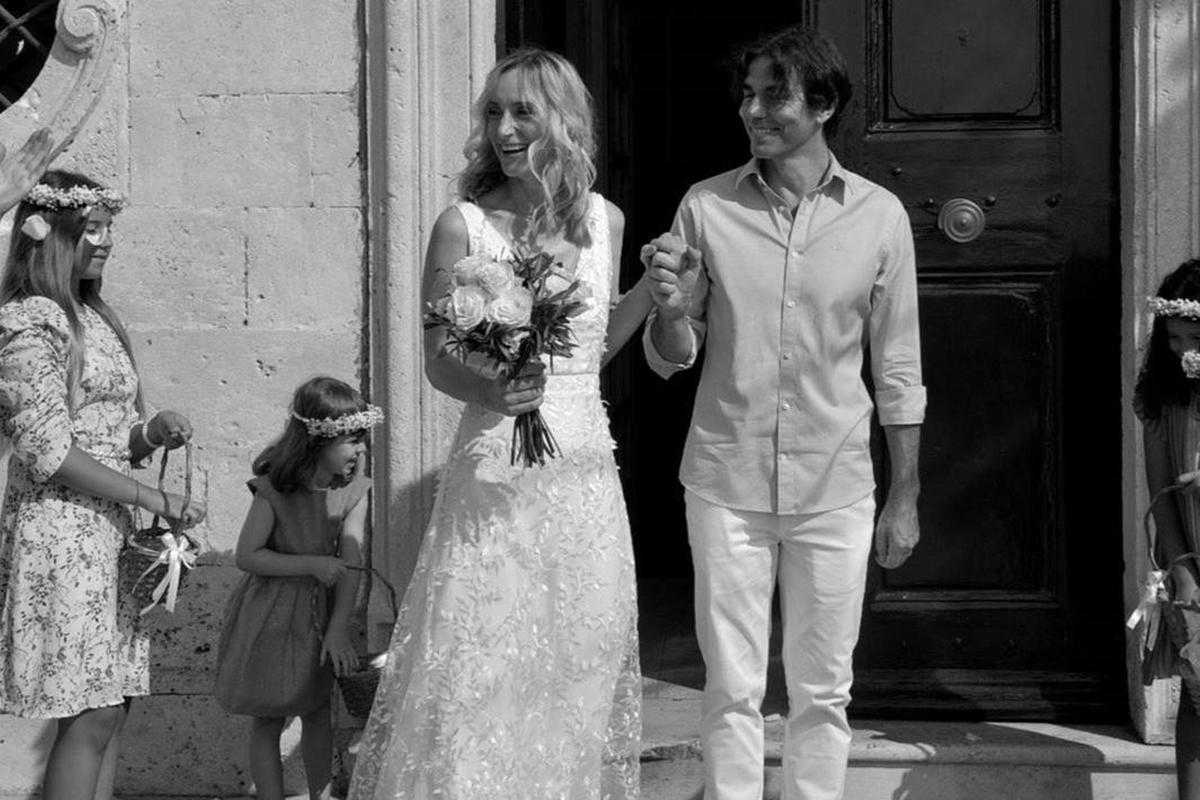
Their friendship eventually grew into love, and in 2021, after years together, they married in Cavtat. It was a choice filled with meaning: close to their roots, close to the sea, close to the landscape that shaped both of them.
Their daughter Pavla has added another layer to that story. In interviews, Mara and Nikša have often appeared not only as artists, but as parents who cherish family rituals, food, holidays and the small domestic traditions of the Dubrovnik region. There is something very local, very familiar and very warm in that image: two creative people whose lives may be connected to theatres, galleries, festivals and public stages, but whose centre remains simple – family, memory and the south.
Two Ways of Seeing the Same City
What makes Mara and Nikša especially interesting as a Dubrovnik Faces story is the way their artistic worlds meet without becoming the same.
Mara observes. Nikša performs.
She frames silence. He gives it voice.
She works with light. He works with words, movement and sound.
And yet, beneath those differences, there is a shared sensibility: a feeling for atmosphere, for memory, for the beauty and melancholy of the Mediterranean. Both of them understand that Dubrovnik is not only a city to be admired from the outside. It is a place of emotion, identity, contradiction and deep personal belonging.
In Mara’s photographs, Dubrovnik can be felt through light, texture and the human presence. In Nikša’s performances, it appears through language, humour, music, nostalgia and the dramatic instinct of the south.
Together, they show that Dubrovnik is not only inherited through family names, streets and childhood memories. It is also inherited through art.
A Dubrovnik Story That Continues
Mara Bratoš and Nikša Kušelj are not simply two well-known names connected to Dubrovnik. They are two artists whose work carries something recognisably southern, a mixture of elegance and intensity, intimacy and theatricality, tenderness and strength.
Their story is not about celebrity in the usual sense. It is about creativity, roots, love and the quiet persistence of belonging.
Every city has people who leave, return, create elsewhere and still remain deeply tied to it. Dubrovnik has many such faces. Mara and Nikša are among those who prove that the city can live in a photograph, in a song, in a stage gesture, in a family ritual – and in the life two people build together.
Because some Dubrovnik stories are not only seen or heard.
They are felt.