A Different Kind of Summer Festival
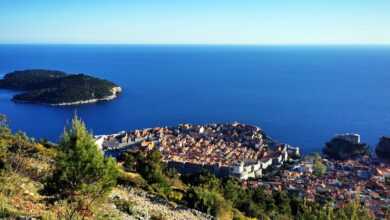
Dubrovnik has always known how to turn stone into theatre.
Its squares, palaces, staircases and fortresses have long carried stories, voices and performances. In that city of natural stages, Midsummer Scene Festival found its place with a clear and distinctive idea: to create professional theatre in English, performed under the open sky and rooted in Dubrovnik’s cultural atmosphere.
Since its beginnings in 2014, when it marked the 450th anniversary of Shakespeare’s birth, Midsummer Scene has grown from a Shakespeare inspired festival into a wider theatre platform connected to Dubrovnik’s heritage, literature and international cultural life.
Today, more than a decade later, it has become one of the city’s recognisable early summer cultural events. It is elegant, international and accessible, but still deeply connected to the place that shaped it.
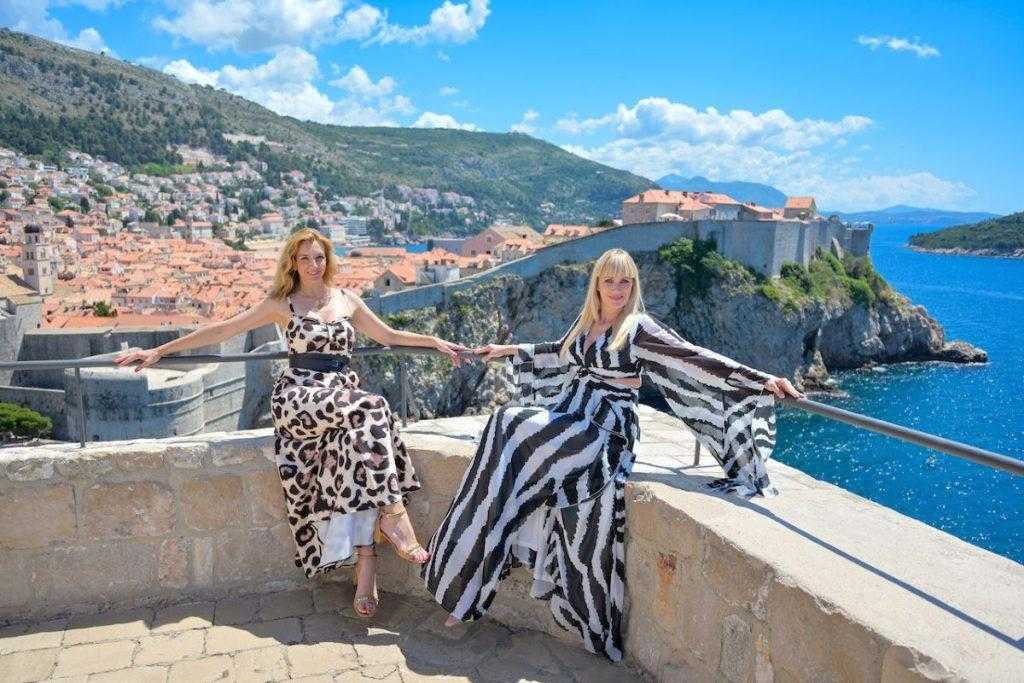
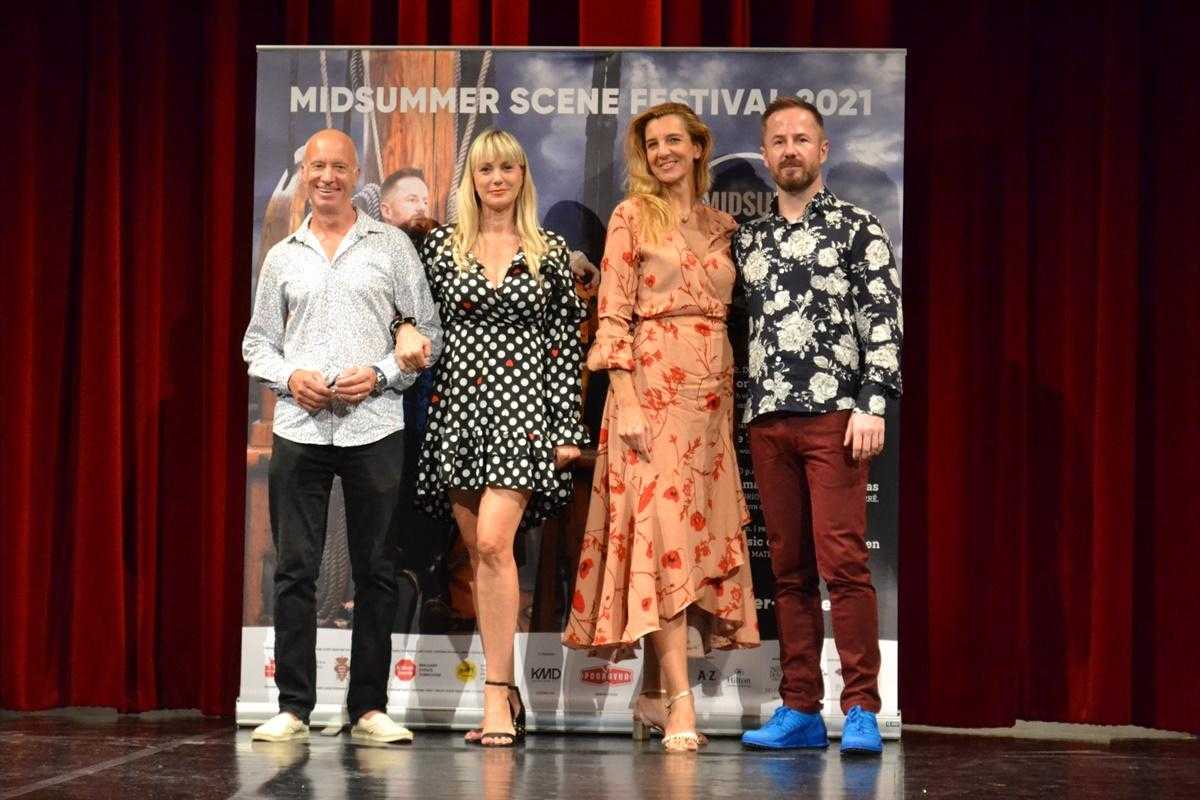
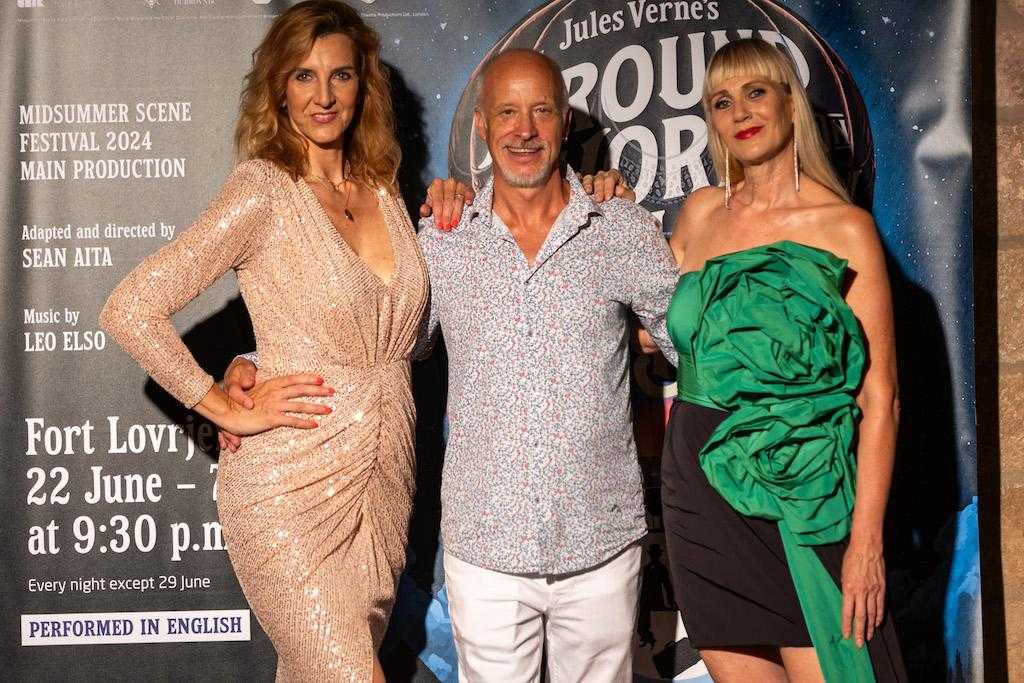
At the heart of that story are Darija Mikulandra Žanetić and Jelena Maržić, the producers and founders whose persistence turned an idea into a festival tradition.
The Women Behind the Festival
Midsummer Scene did not begin as a large institution or a ready made project. It began with belief in theatre, in Dubrovnik and in the possibility of creating something that would speak both to locals and to visitors from all over the world.
Darija Mikulandra Žanetić and Jelena Maržić recognised that Dubrovnik, with its powerful theatrical heritage and international character, could carry a festival performed in English. It was a natural idea for a city whose summer audience is global, but also a demanding one.
Producing theatre at a historic open air location requires much more than enthusiasm. It means bringing together actors, directors, technicians, partners, sponsors, institutions and audiences, all while working within the rhythm of a busy summer city.
Season by season, Darija and Jelena built that network. Through their work, Midsummer Scene became not only a festival, but a cultural meeting point, one that connects Dubrovnik with artists and audiences far beyond Croatia.
A Fortress Made for Theatre
One of the reasons Midsummer Scene feels so memorable is its setting.
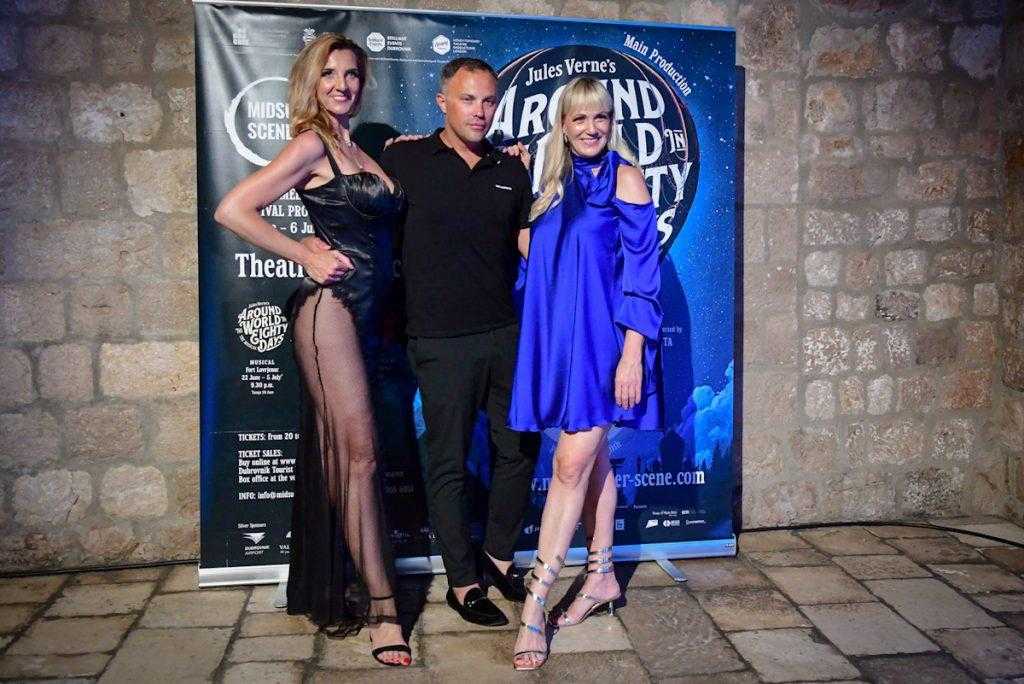
Fort Lovrjenac is not simply a venue. It is one of Dubrovnik’s most powerful cultural spaces, already rich with theatrical associations and dramatic beauty. Rising above the sea, with stone walls, night sky and the city just below, the fortress gives every performance a sense of occasion.
For Midsummer Scene, Lovrjenac became the perfect home. It offers atmosphere without excess, grandeur without artificiality and a feeling that the story on stage belongs exactly where it is being told.
That is why the festival’s productions often remain in the memory not only because of the actors or the text, but because of the whole experience: the climb to the fortress, the evening air, the view, the stone and the sense of theatre happening inside history.
A Festival Built on Memorable Productions
Over the years, Midsummer Scene has built its reputation not only through its location, but through a series of productions that gradually shaped its identity.
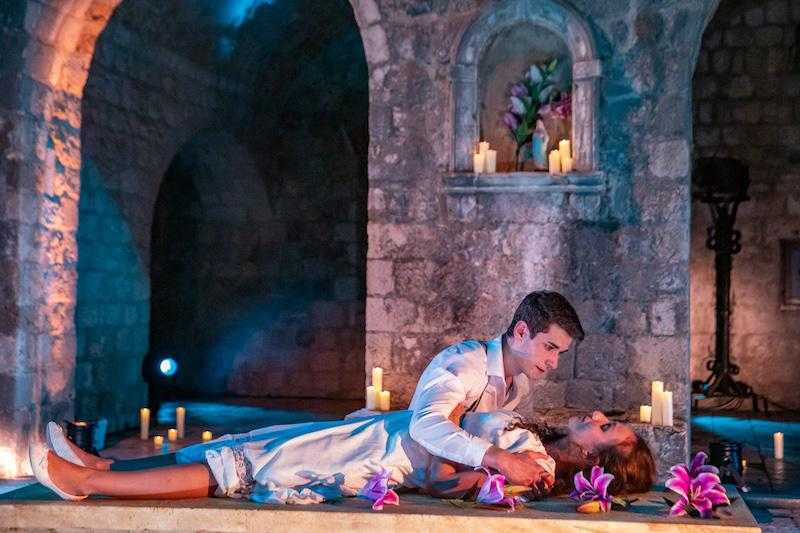
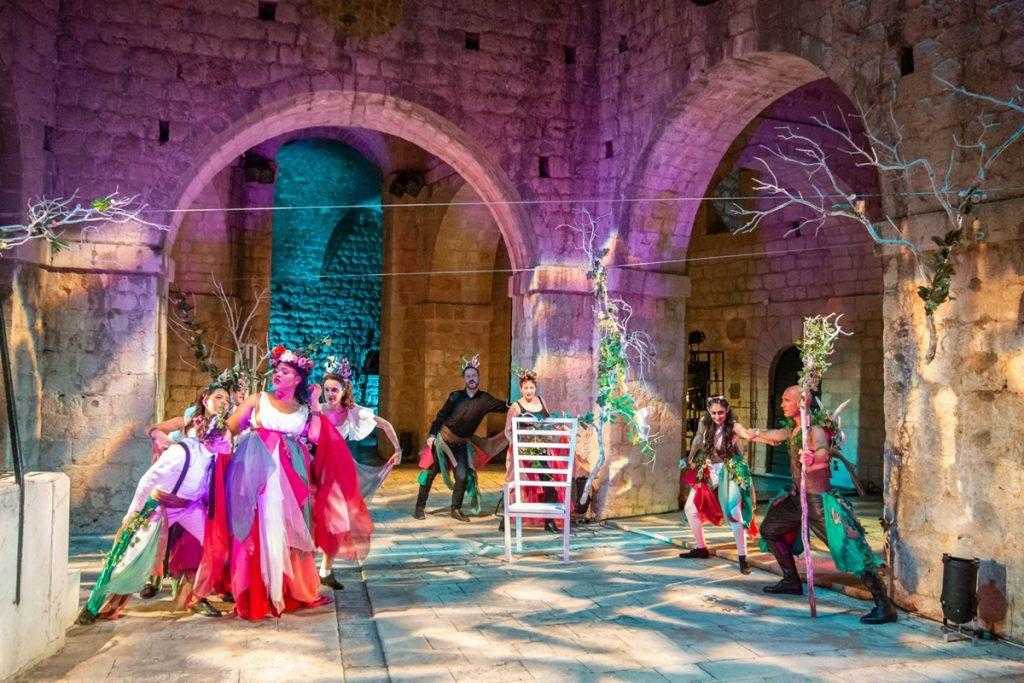
The festival began with A Midsummer Night’s Dream, a Shakespearean title that suited both the occasion and the city. From there, Shakespeare remained an important part of its story, with productions such as Twelfth Night, Hamlet and Romeo and Juliet helping define the festival’s early years.
One of the first major international successes came with Twelfth Night, which premiered in Dubrovnik and later transferred to Vienna’s English Theatre. The festival’s work also travelled to the Bermuda Festival of Performing Arts, while Midsummer Scene returned to Shakespeare in different forms over the following seasons.
In 2016, the festival staged Hamlet, remembered for featuring the first actress to play the title role on a major stage in Southeastern Europe. In 2019, Romeo and Juliet, directed by Sean Aita, became the headline production of the festival’s “Season of Love and Hate”.
At the same time, Midsummer Scene began to strengthen its connection with Dubrovnik’s own literary heritage. In collaboration with the House of Marin Držić and the Marin Držić Theatre, the festival co produced Uncle Maroye Re Examined, inspired by Držić’s famous Renaissance comedy. The project was later selected for the main programme of the Gdańsk Shakespeare Festival, giving Dubrovnik’s literary tradition a new international stage.
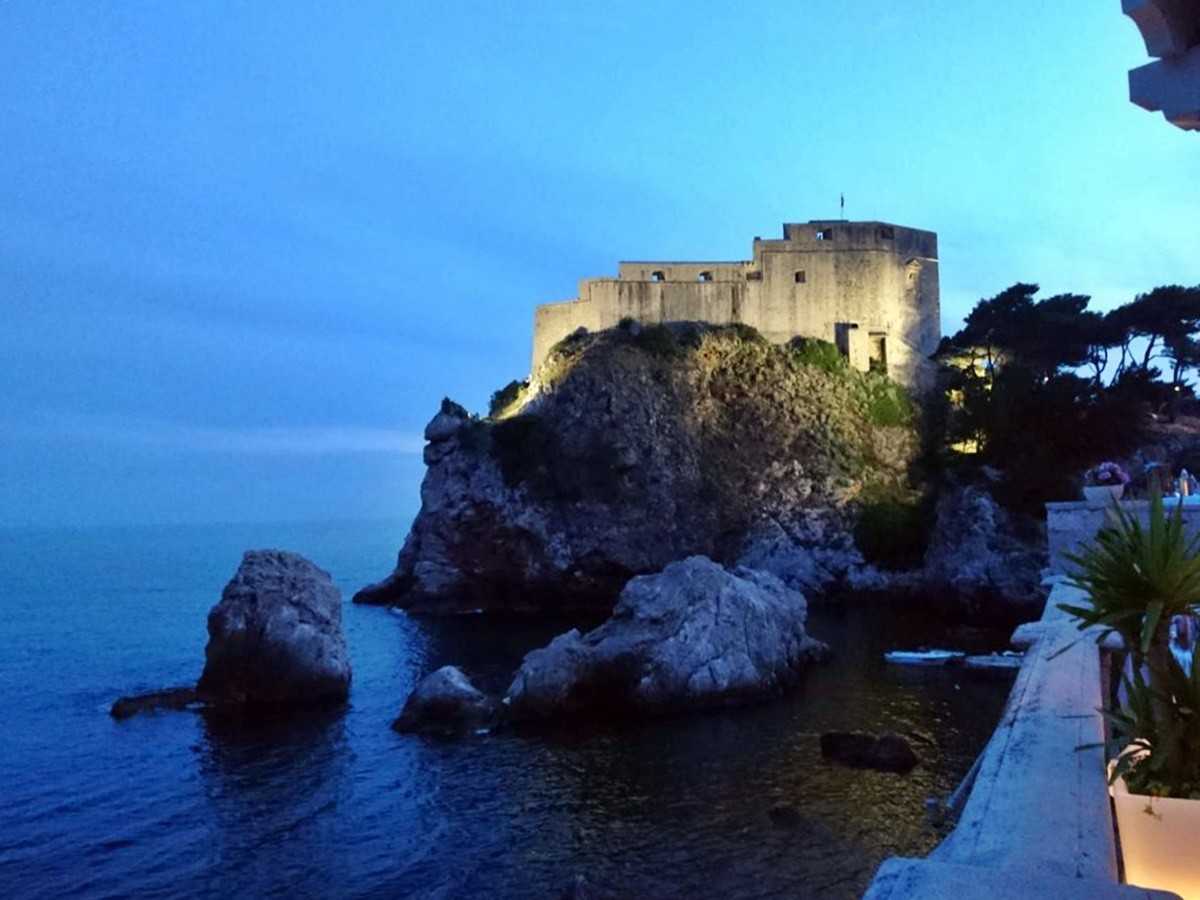
More recent seasons continued to widen the festival’s artistic range. Productions such as A Poor Player, Around the World in Eighty Days and The School for Scandal showed that Midsummer Scene had grown beyond its Shakespearean beginnings, while still keeping the same spirit of theatrical playfulness, strong storytelling and international collaboration.
This is where the festival’s importance becomes especially clear. Midsummer Scene is not only a festival that brings theatre in English to Dubrovnik. It is a platform where Shakespeare, Držić, European classics and new adaptations meet in the city’s own theatrical landscape.
Theatre in English with a Dubrovnik Soul
The decision to perform in English gave Midsummer Scene its distinctive identity.
It opened the festival to international visitors, allowing them to experience theatre as part of their stay in Dubrovnik. At the same time, it offered local audiences something different: a professional summer production shaped by international collaboration, but placed in a setting that belongs unmistakably to Dubrovnik.
This balance has become one of the festival’s greatest strengths.
Midsummer Scene does not use Dubrovnik merely as a beautiful backdrop. It draws from the city’s atmosphere, its literary heritage and its long tradition of theatre under the open sky. Through translation, adaptation and performance, it brings Dubrovnik’s stories closer to audiences who might otherwise never encounter them.
In that sense, the festival creates a bridge between local heritage and global language, between the city’s past and its contemporary cultural life.
A Festival That Grew With Its Audience
What makes Midsummer Scene important is not only that it has lasted, but that it has grown into something audiences now expect.
It has become part of Dubrovnik’s summer rhythm. It arrives as the city enters the season, offering theatre in a setting that feels both festive and intimate. For visitors, it is a chance to experience Dubrovnik beyond sightseeing. For locals, it is a reminder that the city’s cultural life can still produce fresh and meaningful formats.
That kind of recognition does not happen overnight. It comes from continuity, from a clear artistic idea and from the ability to keep going even when circumstances are difficult.
Darija and Jelena have managed to do exactly that. Their work behind the scenes has given the festival stability, identity and warmth. They have shaped Midsummer Scene into an event that feels professional, but never distant; international, but never detached from Dubrovnik.
More Than a Programme
Midsummer Scene is more than a list of performances.
It is a summer ritual, a cultural postcard and a carefully built experience. It brings together the pleasure of live theatre, the beauty of Dubrovnik’s historic spaces and the openness of a city that has always belonged to more than one world.
Its success lies in the fact that it now feels natural, as if theatre in English at Fort Lovrjenac was always meant to be part of Dubrovnik’s summer. But that feeling is the result of years of work, vision and persistence.
Darija Mikulandra Žanetić and Jelena Maržić saw the possibility before it became obvious. They understood that Dubrovnik did not need another ordinary summer event, but a festival with character, atmosphere and a clear sense of place.
A Dubrovnik Story Still Being Written
In its twelfth season, Midsummer Scene continues to confirm its place among Dubrovnik’s summer cultural highlights.
It has brought international artists to the city, introduced visitors to theatre in one of the most atmospheric settings on the Adriatic and shown how local heritage can be presented in a contemporary and accessible way.
Most importantly, it has proved that a strong cultural idea, when carried with dedication, can become part of a city’s identity.
Midsummer Scene is therefore not just a festival at Fort Lovrjenac. It is a story of theatre, vision and belonging, and one of the reasons Dubrovnik’s summer cultural scene feels richer, more open and more alive.