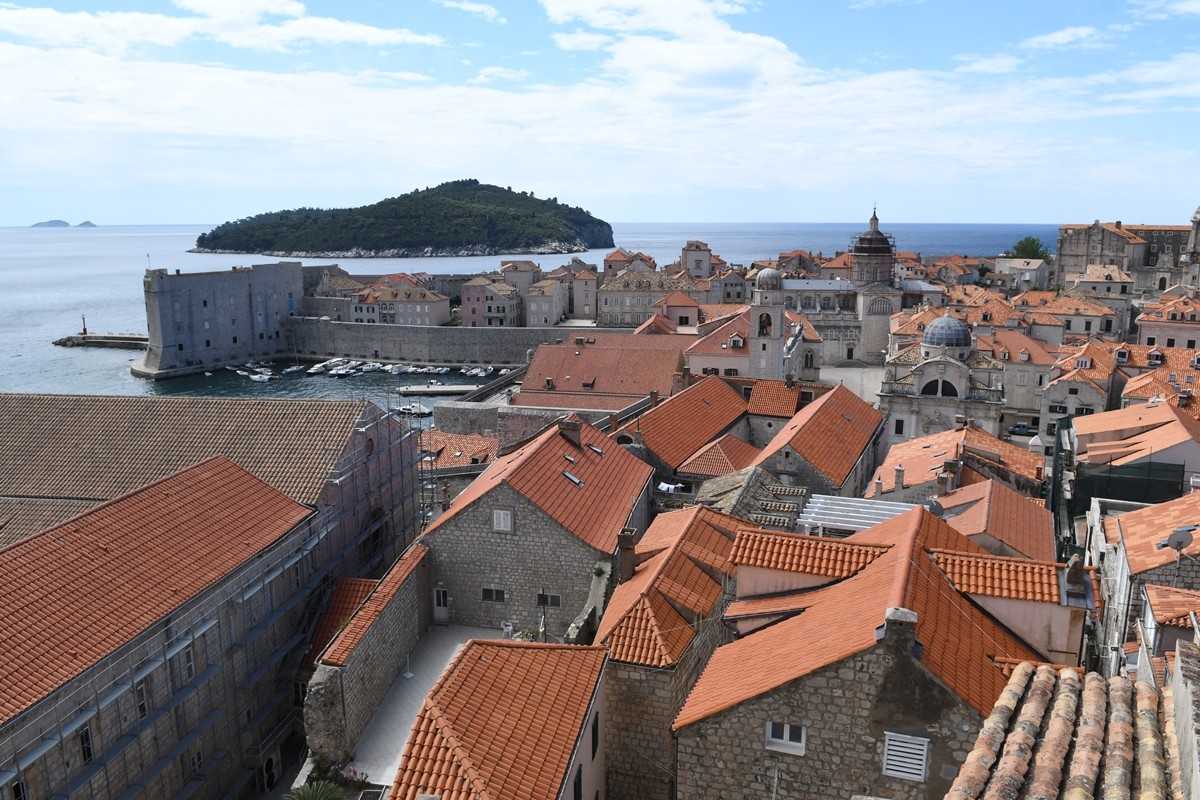
Dubrovnik’s extraordinary global success has brought investment, employment and international visibility few cities of its size could ever expect. Yet behind the postcard images, record visitor numbers and valuable tourism economy, a more difficult question is becoming increasingly urgent: can the people who keep Dubrovnik running still afford to live here?
Housing has become one of the defining challenges facing many of Europe’s most visited cities. In Dubrovnik, however, the problem is intensified by limited space, demanding terrain, heritage protection and a housing market shaped by the profitability of short-term tourist accommodation.
The result is a growing imbalance. Apartments can generate substantially more income when rented to visitors during the tourist season than when offered to local families throughout the year. For property owners, the calculation is understandable. For the city, however, the long-term consequences may be far more complicated.
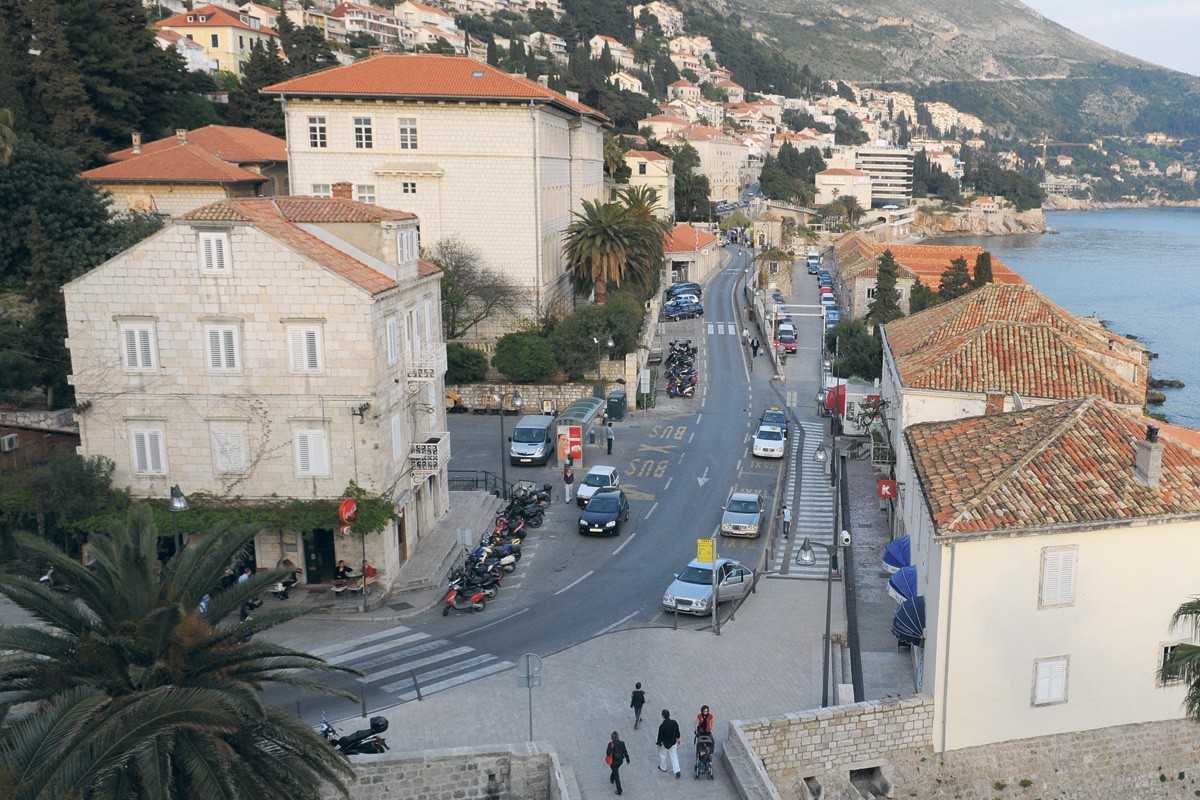
A City Reaching Its Limits
The issue has now become one of the central themes of Dubrovnik’s proposed amendments to its Spatial Plan and General Urban Plan, currently undergoing public consultation.
Speaking about the direction of the new planning documents, Dubrovnik Mayor Mato Franković said the city had reached the point at which further growth in tourist accommodation was no longer desirable.
“There will be no more apartments and no additional accommodation capacities on Mount Srđ because Dubrovnik has reached its maximum. We do not need more than this. We must develop quality rather than increase the number of accommodation units,” Franković said.
It is a significant statement for a destination whose modern economy has been built largely around tourism. Rather than asking how many more guests Dubrovnik can accommodate, the city is increasingly being forced to ask how much tourism its limited urban space can sustainably support.
The proposed plans are expected to address further apartment conversion and introduce areas intended for affordable housing, which Franković described as crucial for local residents.
Yet identifying the problem is only the beginning. The real test will be whether planning rules can translate those ambitions into homes that ordinary residents can actually afford.
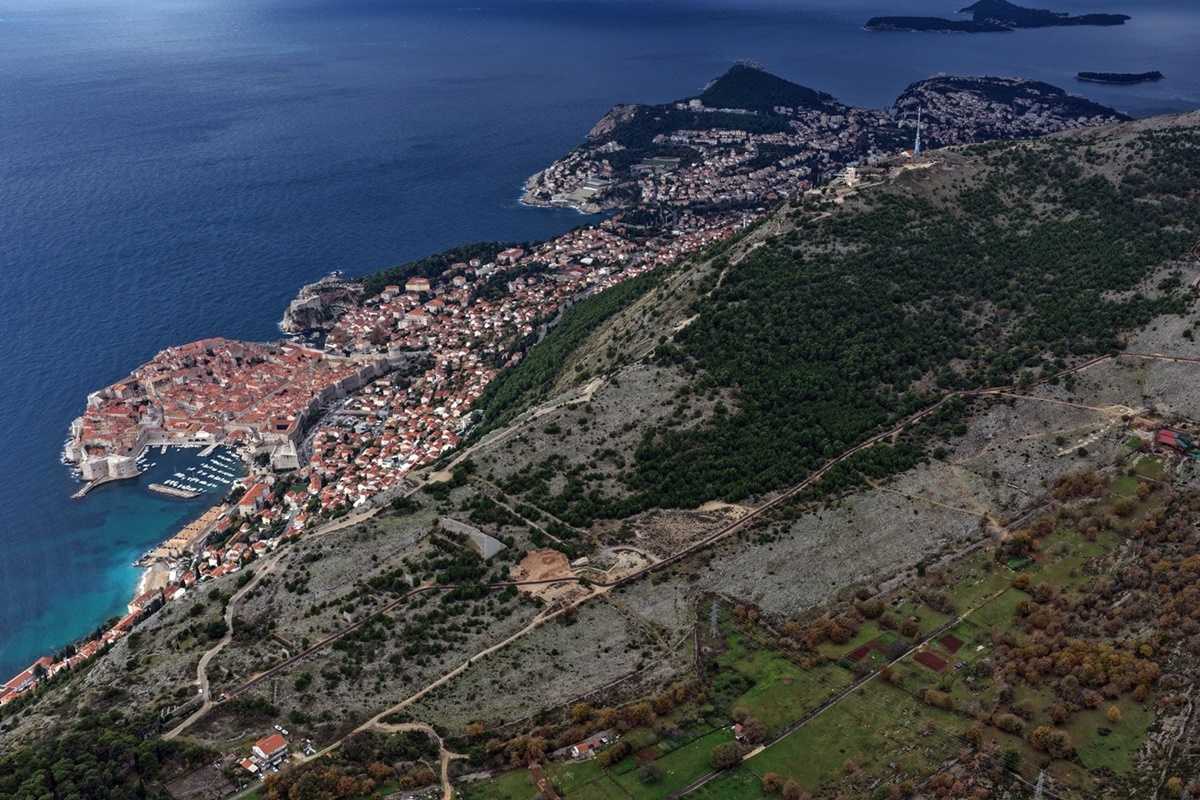
Where Can Dubrovnik Grow?
At the public presentation of the proposed amendments to the city’s spatial plans, urban planner Ana Putar described the creation of new residential zones as both an immediate necessity and part of Dubrovnik’s long-term development.
“For the city, the objective is planned urbanisation and the long-term creation of a circular city, but also short-term solutions, meaning new housing zones,” Putar explained.
According to the proposal, Komolac Valley is seen as the natural continuation of urban development in Rijeka Dubrovačka and as a potential new suburb of Dubrovnik.
“Komolac Valley is the natural continuation of the expansion of today’s suburban area in Rijeka Dubrovačka. It is the new suburb in that space,” Putar said.
This represents an important shift in how Dubrovnik imagines its future. The historic centre and the densely built neighbourhoods surrounding it offer increasingly little space for substantial new housing. Any meaningful expansion must therefore look towards areas with enough land to accommodate not only residential buildings, but also roads, schools, public transport, parking, green spaces and other services required for everyday life.
The proposal is not simply about constructing additional apartments. It is about determining whether Dubrovnik can create complete neighbourhoods, rather than isolated housing blocks on the city’s margins.
Planning Must Reflect Real Life
Following the public presentation, civil engineer Mario Obuljen, president of the Dubrovnik Society of Civil Engineers, warned that the planning process must go beyond formal procedure.
He argued that public consultation should test whether the plans truly understand the city’s infrastructure, landscape and heritage restrictions, demographic needs, safety risks, tourism pressures and, most importantly, the everyday lives of the people who inhabit the space.
That distinction is essential.
A residential zone may exist on a map, but it cannot provide a meaningful answer to Dubrovnik’s housing crisis unless it is supported by realistic transport connections, public infrastructure and clearly defined conditions under which housing will remain accessible to residents.
Without such safeguards, new construction alone does not necessarily create affordable homes. In a destination with strong demand for second homes and tourist rentals, new apartments can quickly become part of the same market dynamics that produced the problem in the first place.
Few Homes, Many Applicants
The scale of the imbalance is also visible in Croatia’s affordable rental programme. Earlier this year, only six properties in Dubrovnik were submitted for inclusion in the scheme. Across Dubrovnik-Neretva County, the Agency for Transactions and Mediation in Immovable Properties received just 14 property applications in total.
The limited response illustrates the basic economic obstacle facing public housing initiatives in high-demand tourism destinations: long-term affordable rent must compete with a short-term market capable of producing significantly higher returns.
Municipal and national programmes can provide part of the solution, but without a larger supply of homes reserved for permanent residence, their reach will remain limited.
The challenge is therefore not simply to persuade individual owners to rent differently. It is to create a housing system in which residents are not permanently competing with the spending power of the global tourism market.
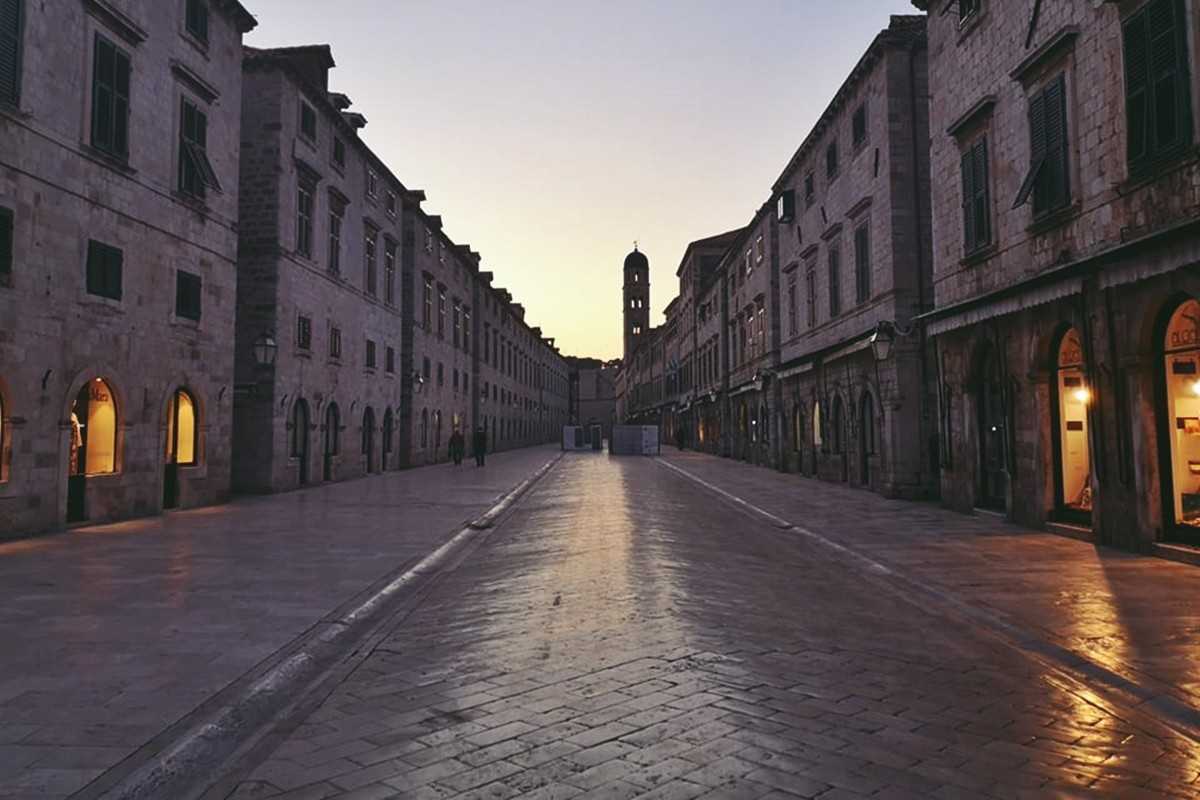
Tourism Needs a Living City
Dubrovnik’s tourism success is not separate from the quality of life enjoyed by its residents. It depends on them.
The city needs teachers, doctors, police officers, hospitality workers, craftspeople, cultural professionals, drivers, shopkeepers and young families. If these people are increasingly pushed towards distant settlements or forced to leave the wider area altogether, Dubrovnik risks becoming a place that functions exceptionally well for visitors but increasingly poorly for those expected to sustain it.
That would ultimately weaken the tourism product itself.
Visitors are not attracted only by stone walls, sea views and historic monuments. They are also drawn to the experience of a living Mediterranean city with its own rhythms, traditions and community. A destination emptied of permanent residents may preserve its architecture while gradually losing the human life that gives that architecture meaning.
The proposed GUP and Spatial Plan therefore carry a responsibility extending far beyond construction regulations. They must define what kind of city Dubrovnik wishes to become over the coming decades.
The central question is no longer whether Dubrovnik can attract more visitors. That question has already been answered.
The more important one is whether one of the world’s most successful destinations can use that success to ensure that Dubrovnik remains a city in which its own people can build a life.