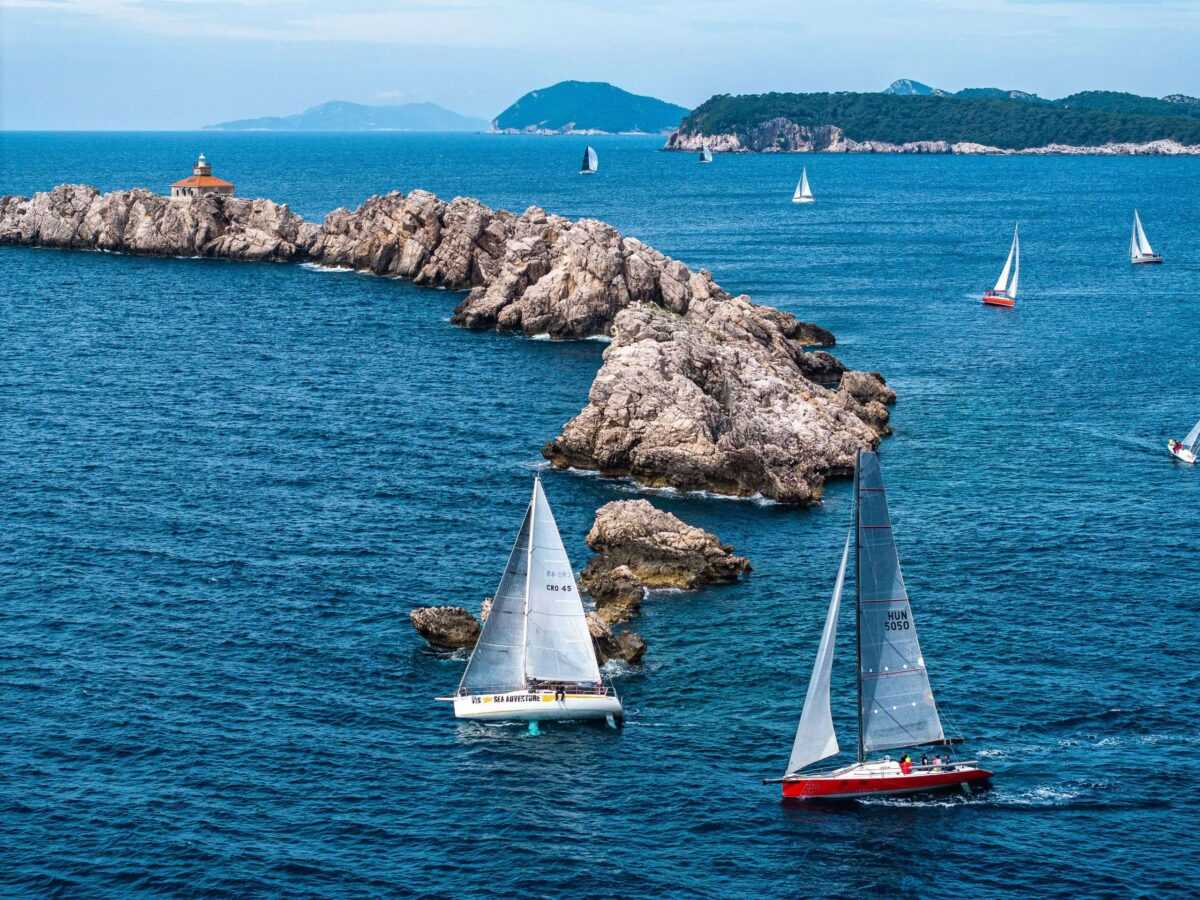
A spring moment made for the sea
Dubrovnik is entering one of those spring weeks when the sea becomes part of the city’s visual drama. The international offshore regatta EST 105 Bari–Dubrovnik begins on 22 April 2026, while Elaphiti Slalom unfolds as part of the wider programme in the days that follow, with official listings placing the event across 22 to 26 April 2026 and other event pages highlighting the main regatta stretch from 23 to 26 April.
Rather than feeling like a single isolated sports fixture, the week reads as a broader Adriatic event: one that links Dubrovnik to Bari, brings international crews to the city and places the Elaphiti archipelago at the centre of the story. Official announcements describe the Bari–Dubrovnik race as part of the official Elaphiti Slalom programme and frame this year’s edition around international cooperation with Italy’s CUS Bari.
From Bari across the Adriatic
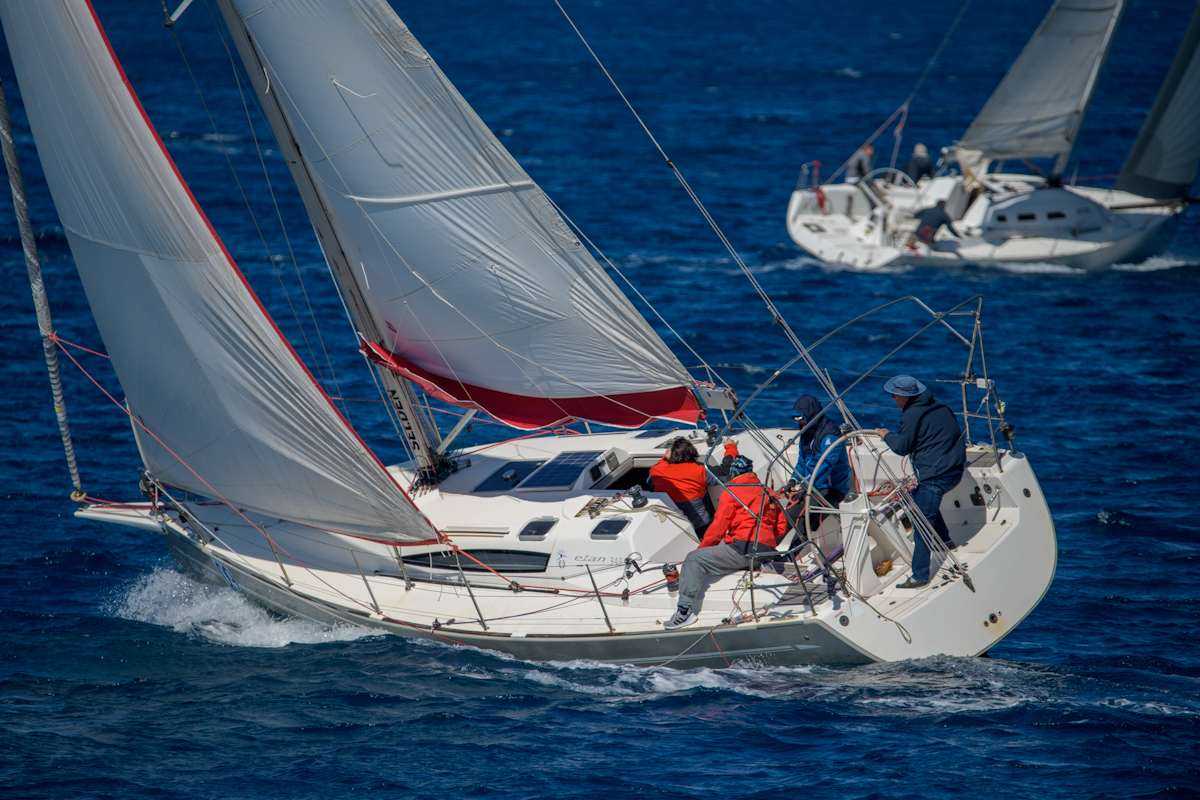
A major part of this year’s atmosphere comes from the return of the EST 105 Bari–Dubrovnik route. Official and event coverage describe it as a 105-nautical-mile offshore regatta connecting the two coasts of the Adriatic, with this year’s departure set for 22 April from Bari.
Recent local coverage reports that the Bari start includes around 35 boats, while earlier pre-event announcements suggested an expected field of around 40 boats from several European countries. The precise final tally may vary between pre-race expectation and actual start list, but the consistent picture is one of a notably strong international fleet arriving in Dubrovnik before joining the Elaphiti Slalom programme.
That cross-Adriatic dimension gives the story more than sporting value. It adds a sense of arrival, movement and connection that feels especially fitting for Dubrovnik, a city whose identity has always been shaped by the sea. This is an editorial interpretation based on the event’s cross-border structure and official framing.
Elaphiti Slalom brings the spotlight closer to Dubrovnik
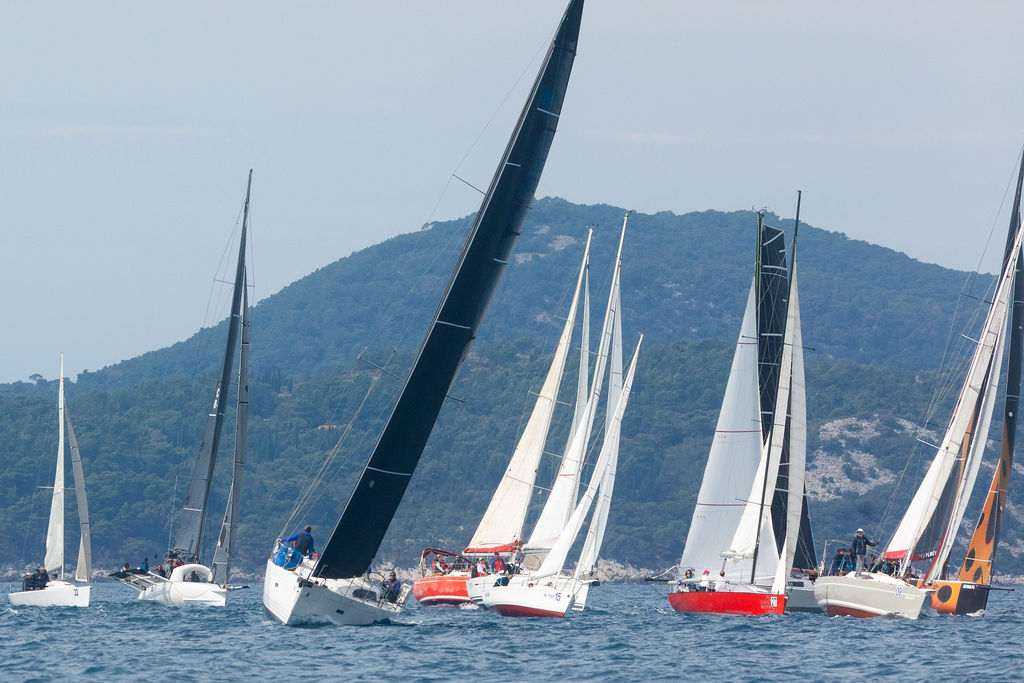
Once the offshore crossing folds into the Dubrovnik programme, attention turns to Elaphiti Slalom, which official event pages describe as a sailing spectacle returning to Dubrovnik in late April 2026. Valamar’s event listing says the regatta runs from 23 to 26 April 2026, while JK Orsan’s event page presents it as a three-day spectacle from 24 to 26 April with entertainment for competitors and the audience.
The event is staged around the Elaphiti archipelago, giving the regatta a setting that is as important as the competition itself. Official descriptions highlight racing around the islands and accompanying activities such as workshops, music and other supporting content.
For anyone watching from shore, that is part of the appeal. This is not only a race to follow on a results sheet, but a visual event unfolding in one of the most beautiful maritime settings around Dubrovnik. That is an editorial reading, but it is firmly supported by the way organisers present the event as a spectacle of wind, sails and island scenery.
A regatta that is clearly growing
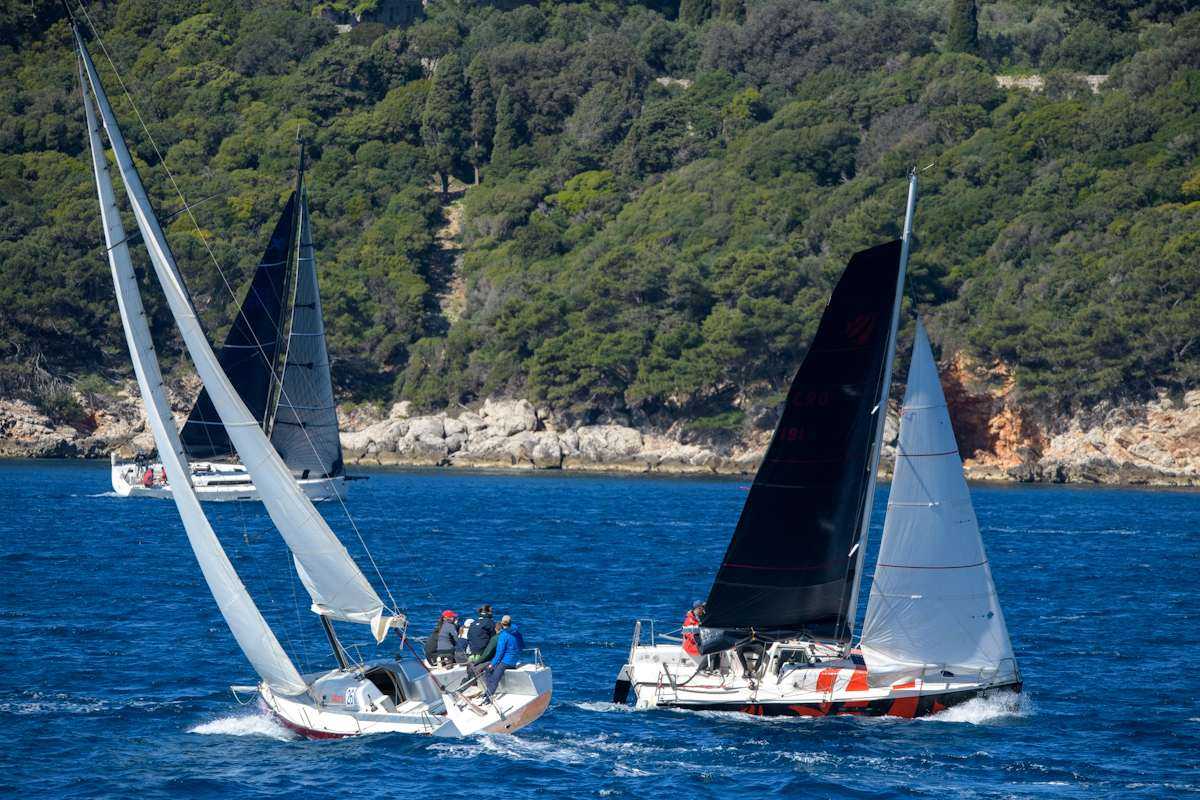
This is the third edition of Elaphiti Slalom, and multiple local reports describe the 2026 event as significantly larger than before. One recent report says about 65 boats are expected in total, nearly double the participation of the previous year.
That growth matters because it suggests the event is no longer simply emerging; it is establishing itself as a visible part of Dubrovnik’s pre-season calendar. The city already draws attention in spring for culture, scenery and outdoor events, and this regatta week adds another layer: one rooted in sea culture, competition and the wider Adriatic world. This is an editorial conclusion based on the event’s documented expansion and official positioning.
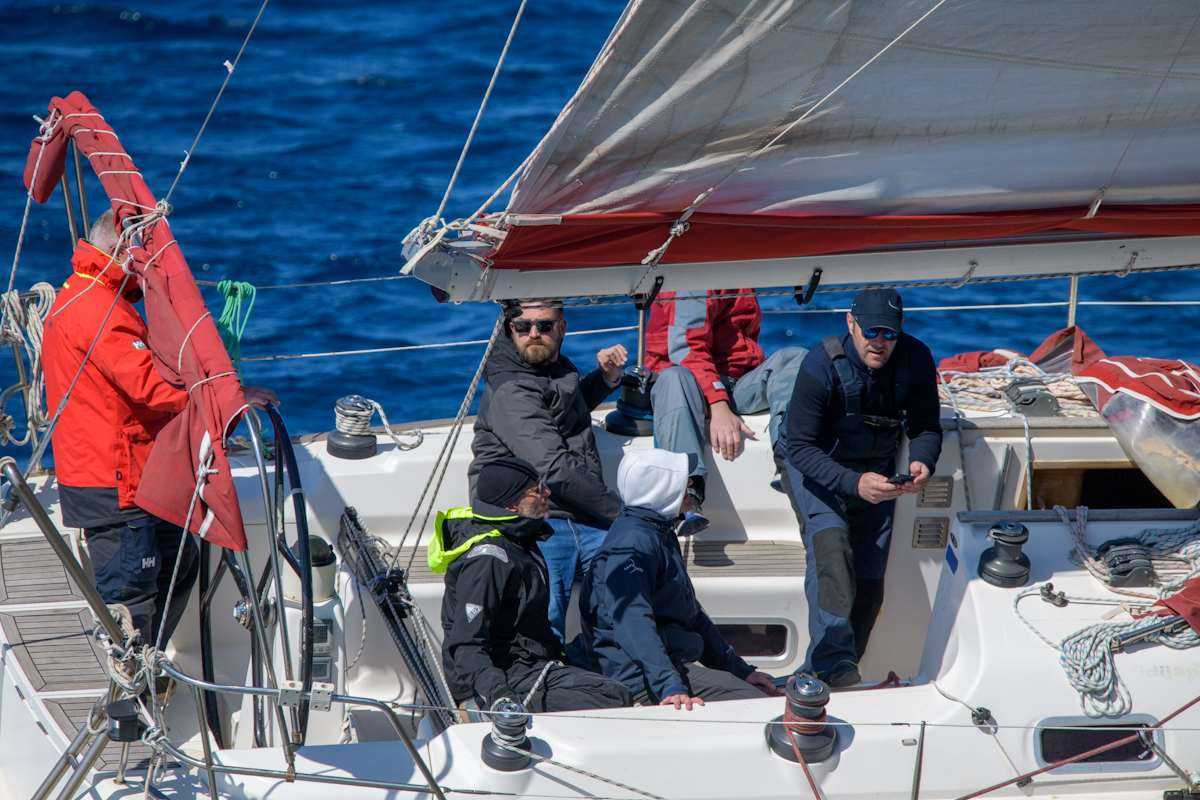
More than sport, a Dubrovnik mood
Part of what makes this story so well suited to Dubrovnik is its atmosphere. Late April is the point when the city starts leaning more visibly towards its warmer-season rhythm, and a week of sails, arrivals and island racing fits naturally into that transition. Official event materials explicitly frame Elaphiti Slalom as a sailing spectacle, while local coverage emphasises its wider mix of regatta action, workshops and entertainment.
In other words, this is not just about who finishes first. It is about the image of Dubrovnik itself: outward-looking, sea-facing and at its best when the landscape becomes part of the event. And this week, with Bari on one horizon and the Elaphiti archipelago on the other, the city looks ready to embrace exactly that role. This closing thought is editorial, based on the published programme and event descriptions.