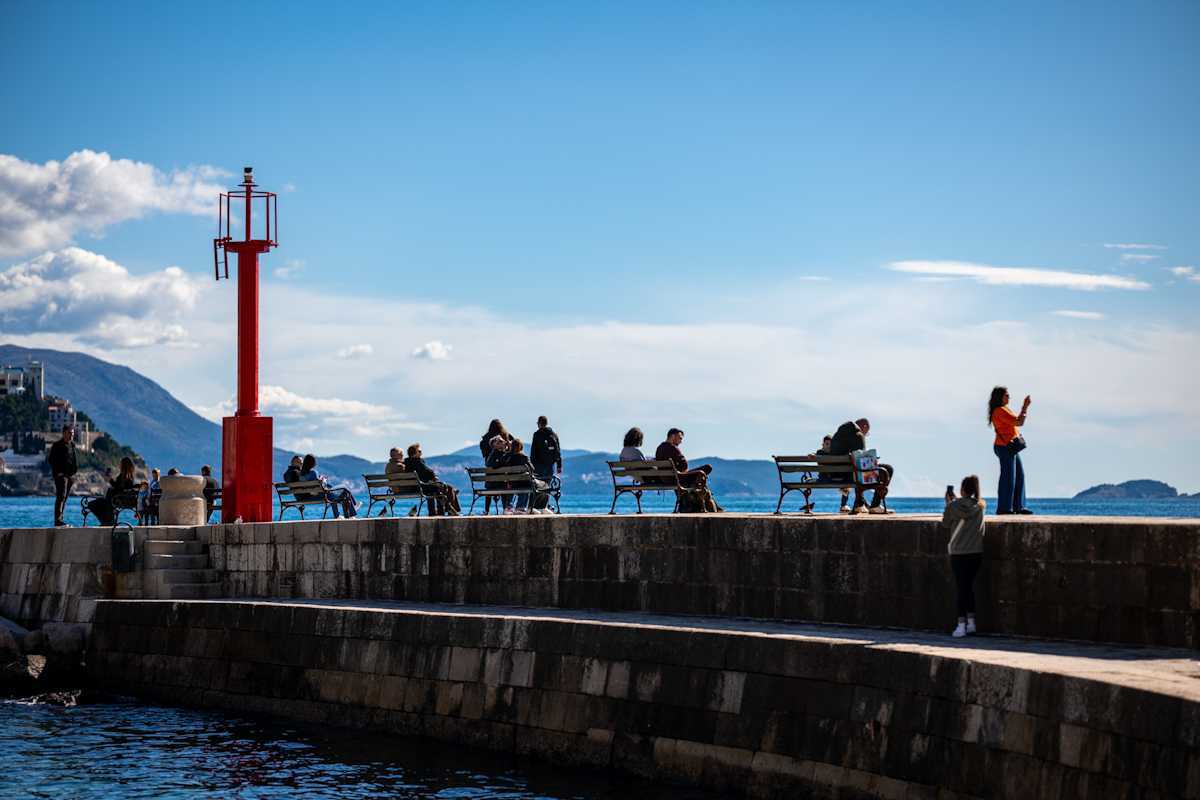
Some places are not explained. They are felt.
In Dubrovnik, Porporela is one of those places.
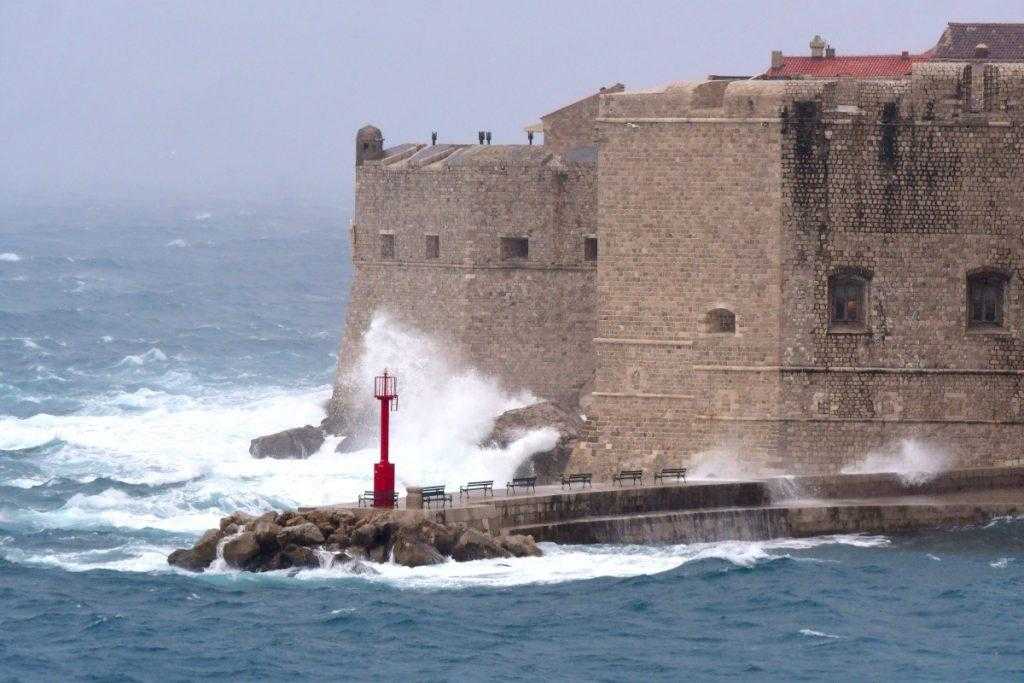
Set beside St John’s Fortress at the edge of the Old Harbour, this long stone breakwater marked by its red beacon has long been part of the city’s emotional geography. It is a place of meetings, pauses, summer habits and sea air, but also one of those corners of Dubrovnik that people seem to carry with them long after they leave.
Because Porporela is not only a location at the edge of the Old Town. It is also one of those Dubrovnik places people hold in memory — somewhere between routine, romance, wind, salt and the feeling of standing exactly where the stone opens into the sea.
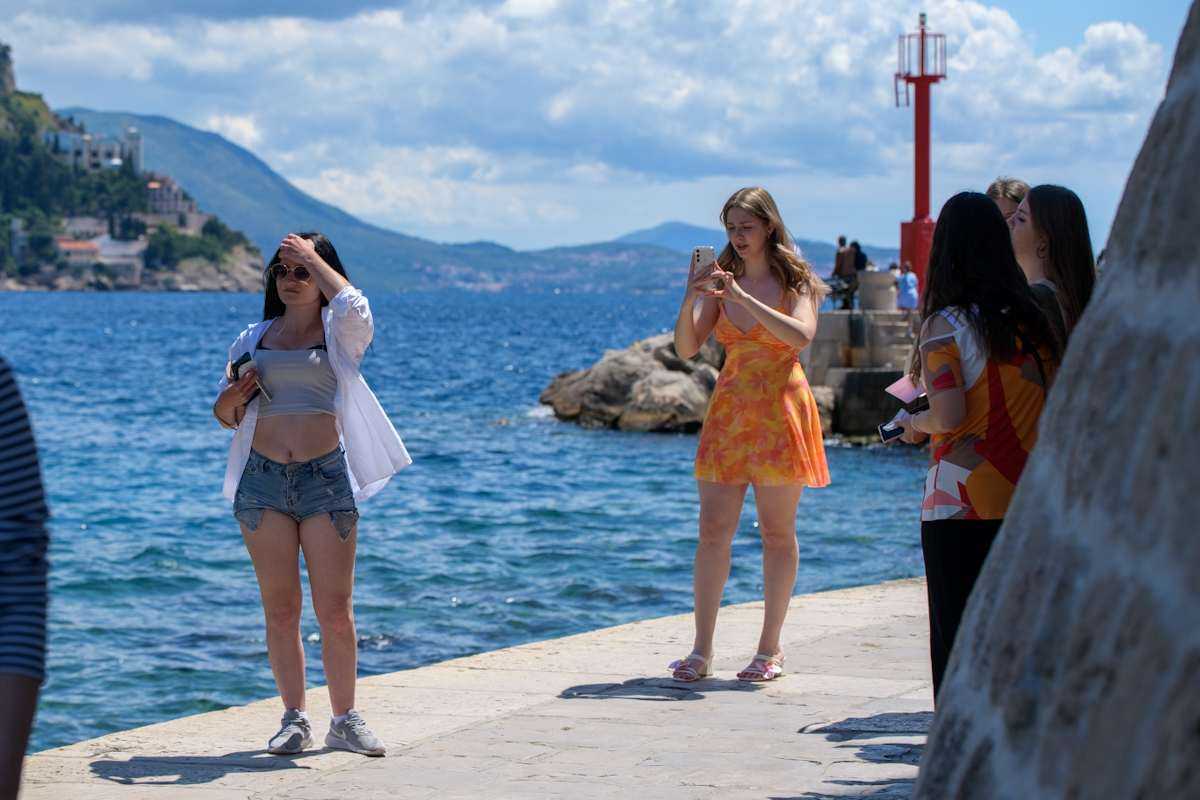
The small red beacon says everything without saying much at all
There are places in Dubrovnik that impress immediately with scale and grandeur. Porporela works differently.
It is simpler than that. Open water, old stone, the line of the walls behind you, and that red beacon at the far end — one of those details that quietly fixes the whole place in your mind.
Perhaps that is part of its charm. Porporela does not need much to become recognisable. It is not overloaded with meaning, and yet it gathers a great deal of it.
Behind its simplicity is a very practical history
Porporela was not created as a romantic walkway. It was built as a breakwater, part of the harbour system that helped protect Dubrovnik’s Old Harbour from waves and strong winds.
That gives the place an added layer. A spot now associated with swimming, summer evenings, meetings and local memory began as something practical — maritime, functional and firmly tied to the life of the port.
And perhaps that is part of what makes it feel so Dubrovnik. Porporela is both an engineering intervention and an emotional point in the city, both protection and openness, both structure and atmosphere.
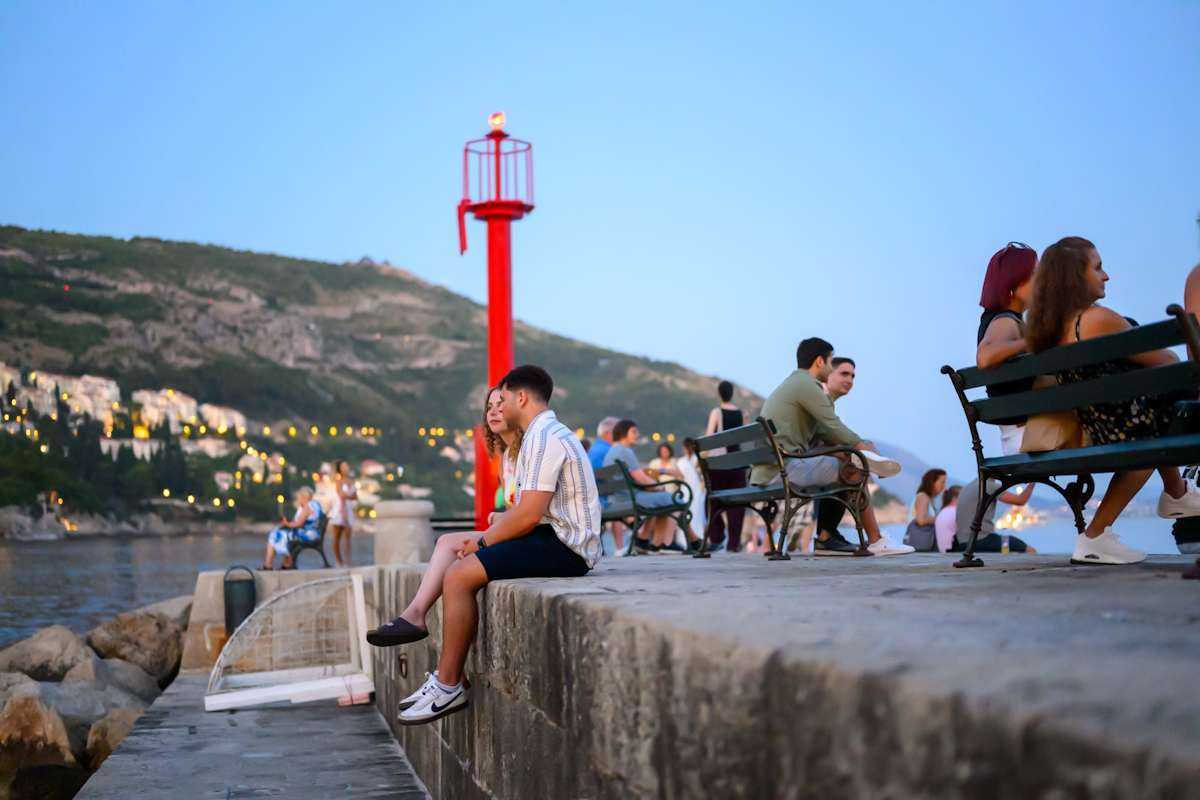
A place of meetings, love and everyday life
What makes Porporela especially Dubrovnik is the way it moves so naturally between the poetic and the ordinary.
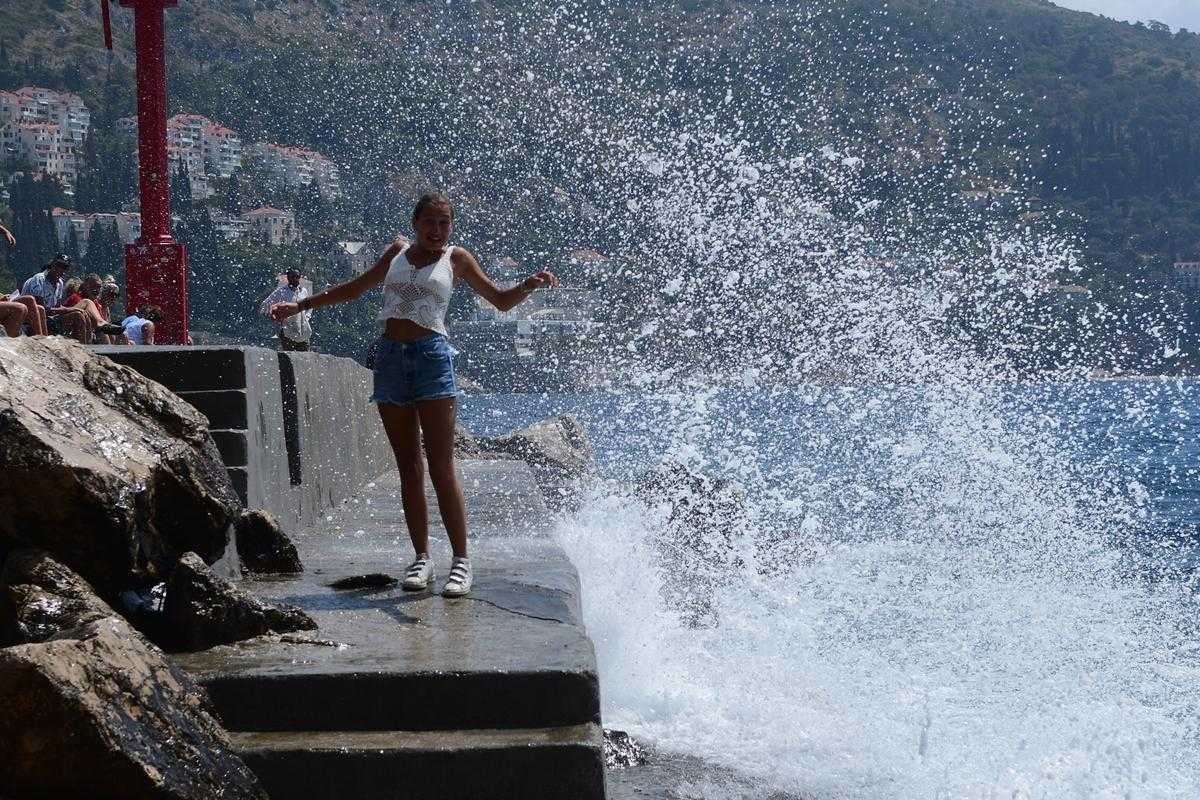
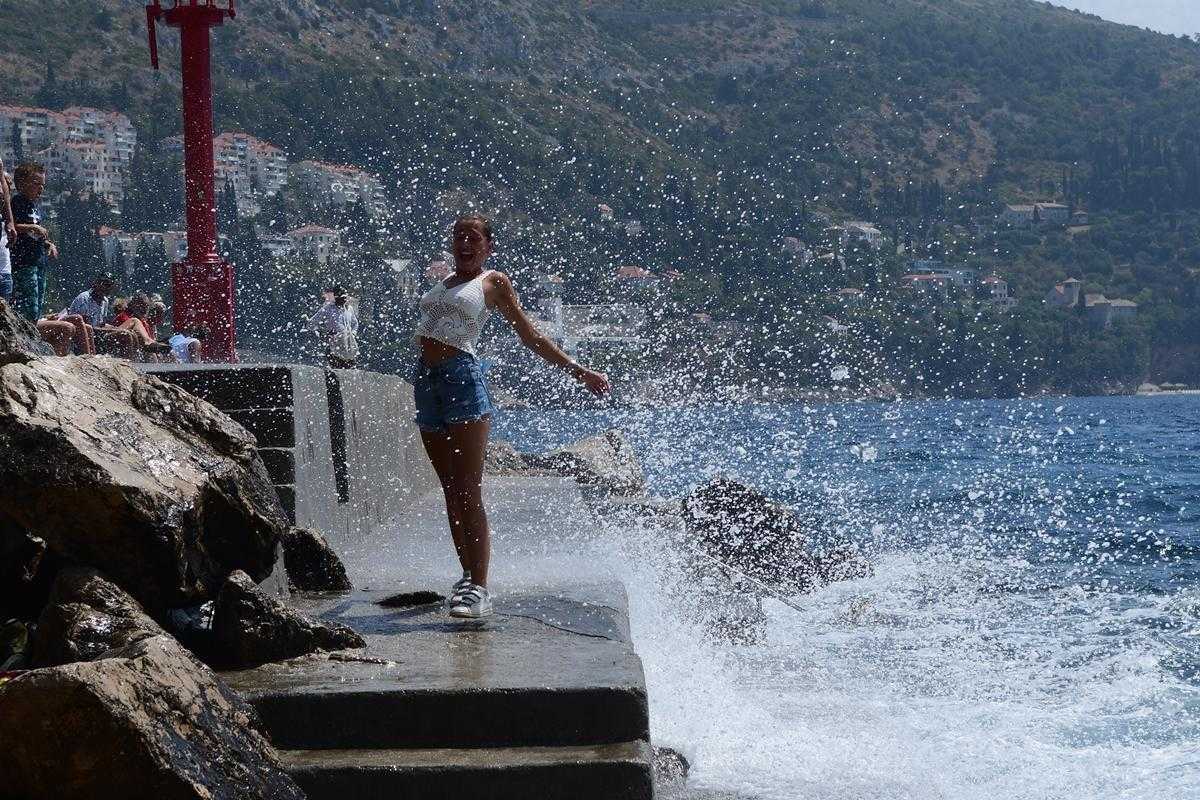
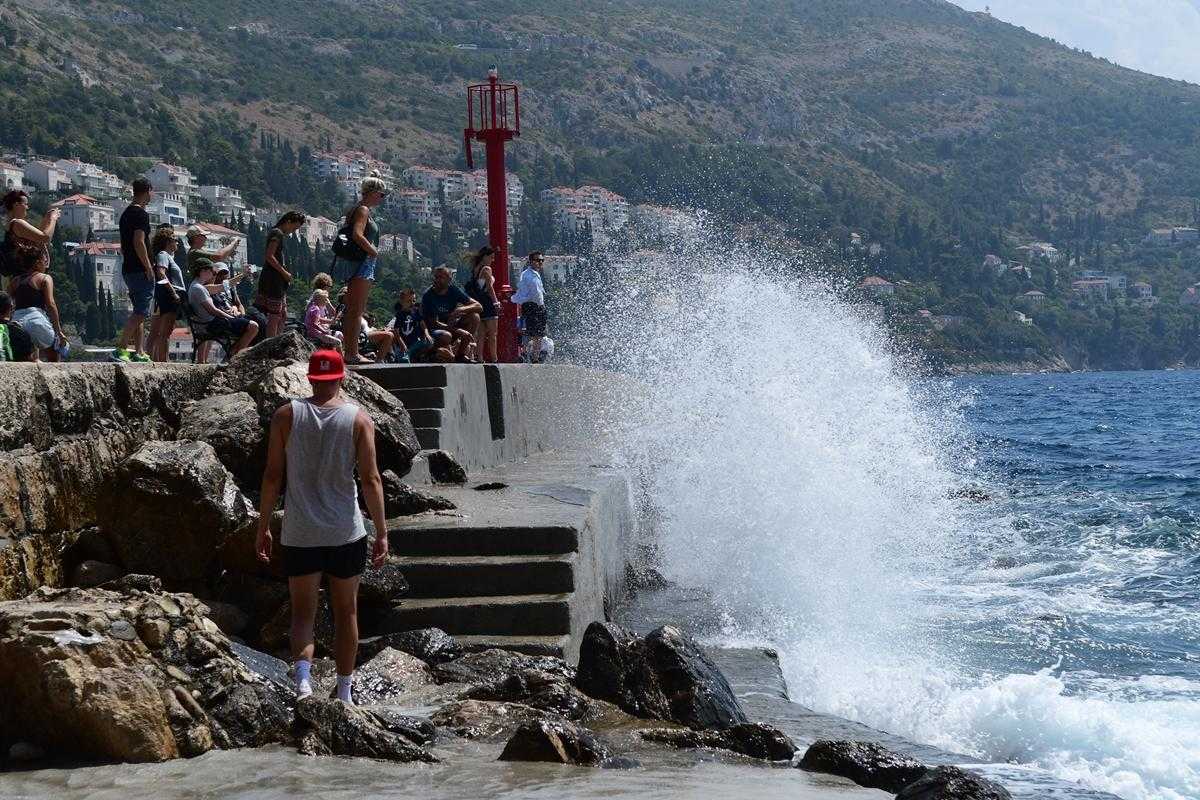
It is known as a place of romance, walking and swimming, which already says a great deal. It is not simply somewhere to stop for a photograph, but somewhere people actually use — a place of pauses, conversations, summer routines and small gestures that return year after year.
That lived quality matters. In a city as admired as Dubrovnik, Porporela still feels less like spectacle and more like part of the city’s emotional routine.
People come here to look outward, to cool off, to sit with someone, to do very little, or simply to feel the sea more directly than they can inside the streets of the Old Town.
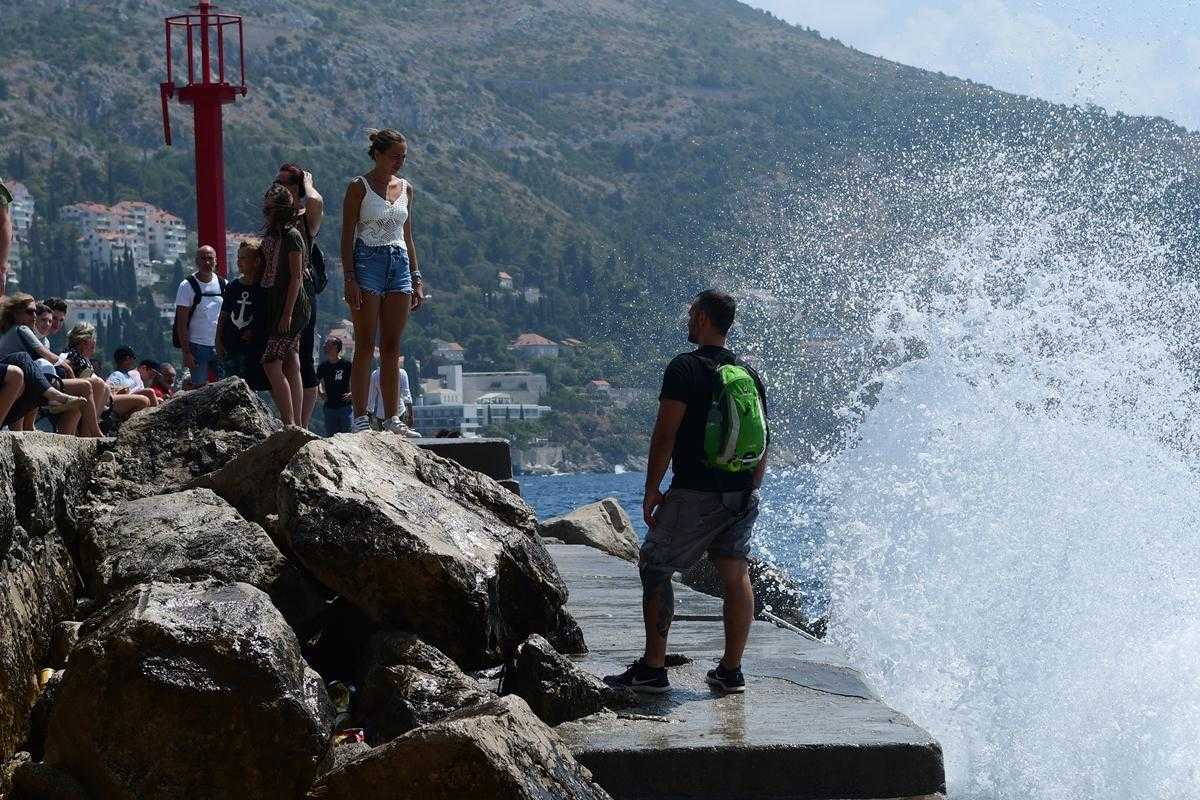
It belongs to the city’s more lyrical side
Porporela has long belonged to Dubrovnik’s softer, more lyrical vocabulary.
It appears not only in local memory, but also in songs and cultural references, which says a great deal about how naturally it has entered the city’s imaginative life. That makes sense. Few places in Dubrovnik feel so closely tied to atmosphere. The waves are always part of the scene. So is the wind. So is the sense of standing on a threshold, not fully in the city anymore, not fully beyond it either.
Porporela is where Dubrovnik becomes more open, more exposed and, in some ways, more tender.
This is where the stone city becomes a sea city again
Inside the walls, Dubrovnik can feel enclosed in the best possible way, held together by stone, history and form. Porporela reminds you that Dubrovnik has always also been a maritime city.
That is one reason the setting matters so much. From here, the city turns back toward the sea. The harbour edge, Revelin, Lokrum in the distance and the open line of the Adriatic all feel closer and more immediate.
It is a small shift in perspective, but an important one. On Porporela, Dubrovnik stops feeling only monumental and starts feeling coastal again.
Why people keep returning to it
Some places in Dubrovnik you visit once. Porporela is different.
It invites repetition. Morning light, rougher weather, summer evenings, quiet conversations, winter wind, the moment before a swim, the moment after a walk — it seems made for return rather than completion.
That may be why it stays so present in the city’s emotional map. Not because it is the grandest place in Dubrovnik, but because it is one of the most intimate. It may be described as a meeting place, but in practice it feels like something broader than that — a place where Dubrovnik meets memory, mood and the open sea.