A Remarkable Find Beneath Cavtat
A rare Late Antique sarcophagus has been discovered in Cavtat, adding another important chapter to the story of ancient Epidaurum, the Roman settlement on the site of today’s town.
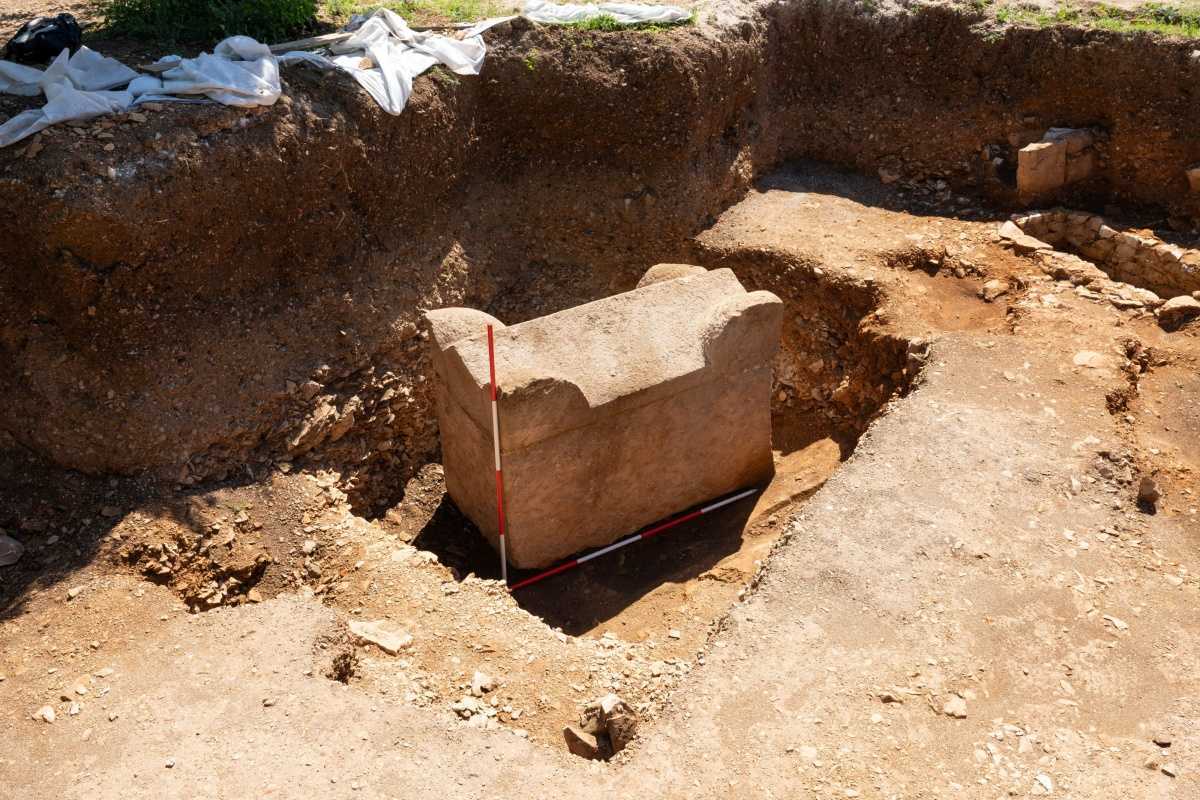
The discovery was made during protective archaeological excavations at the site of Zorina 8, where researchers explored part of a Late Antique necropolis belonging to the Roman colony of Epidaurum. Among several types of burials, one find stood out: a stone sarcophagus preserved in its original position, sealed and untouched.
A Sarcophagus Preserved in Its Original Place
The sarcophagus dates approximately from the 4th to the 6th century. It was found at a depth of about three metres and weighs around five tonnes.
What makes the discovery especially valuable is its state of preservation. The sarcophagus was found intact, with lime mortar still preserved between the stone chest and its lid. This means it had remained sealed, making it an exceptionally rare closed burial unit in the Croatian archaeological context.
Inside, archaeologists documented the primary burial of one person. Although the skeletal remains were poorly preserved, organic and other deposits were recorded and will be examined through further laboratory analysis.
Made From Local Stone
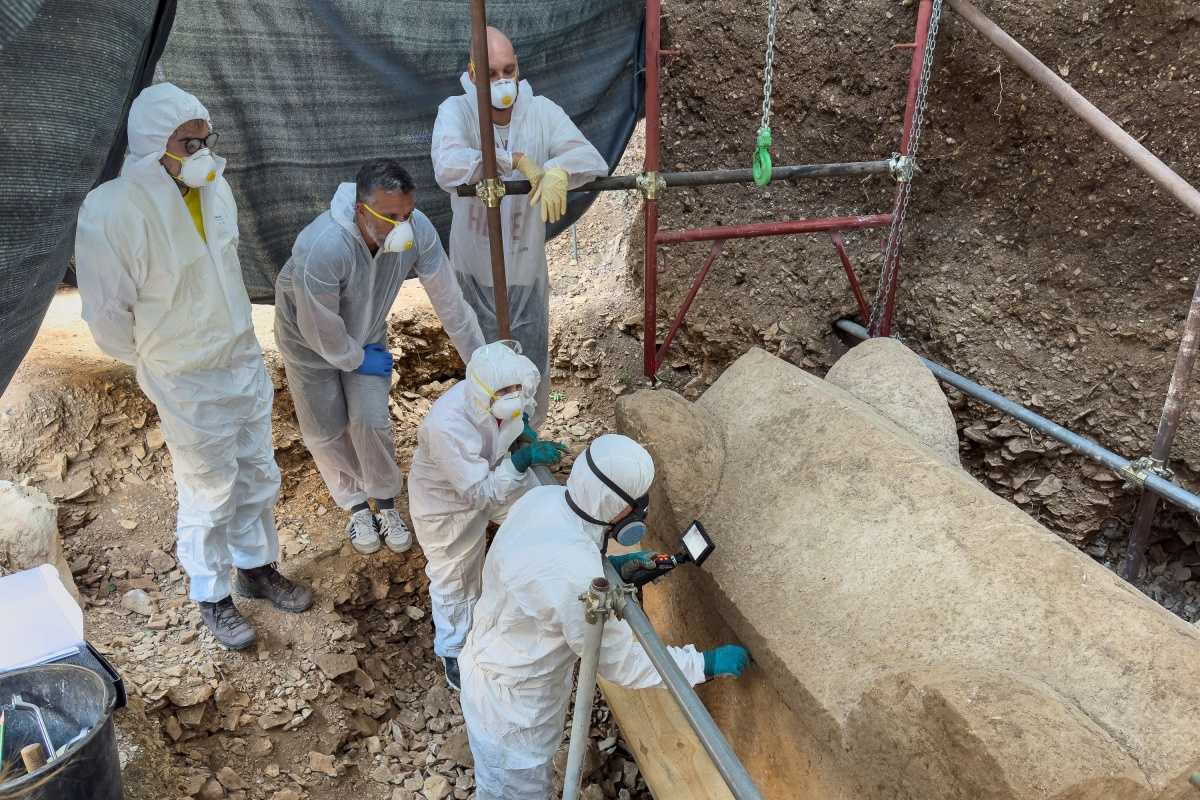
The sarcophagus was made of local limestone and consists of a stone chest with a gabled lid. According to its form, it belongs to the group of Late Antique sarcophagi of the Salonitan type.
Petrographic analysis carried out by Dr Božo Prtoljan showed that the stone was local, suggesting the activity of a local stone-carving workshop in the Late Antique period.
Now Visible to the Public
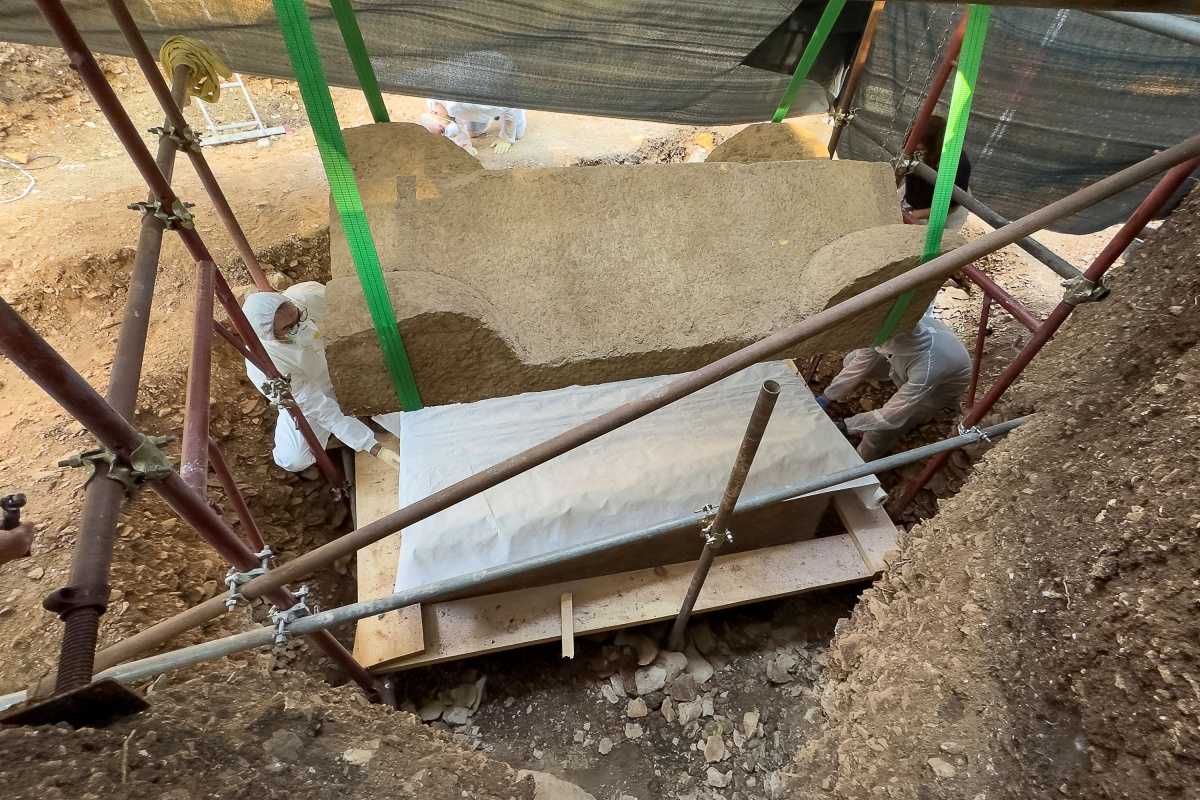
After the completion of the research, the sarcophagus was moved to a suitable public location in Cavtat. It is now placed near the crossing of the paths leading towards the Račić Family Mausoleum, the St Roko cemetery and the steps towards Ključice beach.
There, it will remain visible to both residents and visitors as a striking reminder of Cavtat’s ancient and Late Antique heritage.
Cavtat Before Cavtat
Today, Cavtat is known for its peaceful waterfront, elegant villas and views across the Adriatic. But beneath that familiar image lies a much older story. As ancient Epidaurum, this area was once an important Roman settlement, and discoveries such as this sarcophagus show how deeply that history is still present in the landscape.
For visitors, the find offers another reason to look at Cavtat not only as one of Dubrovnik’s most beautiful coastal escapes, but also as a place where the ancient world still quietly surfaces.
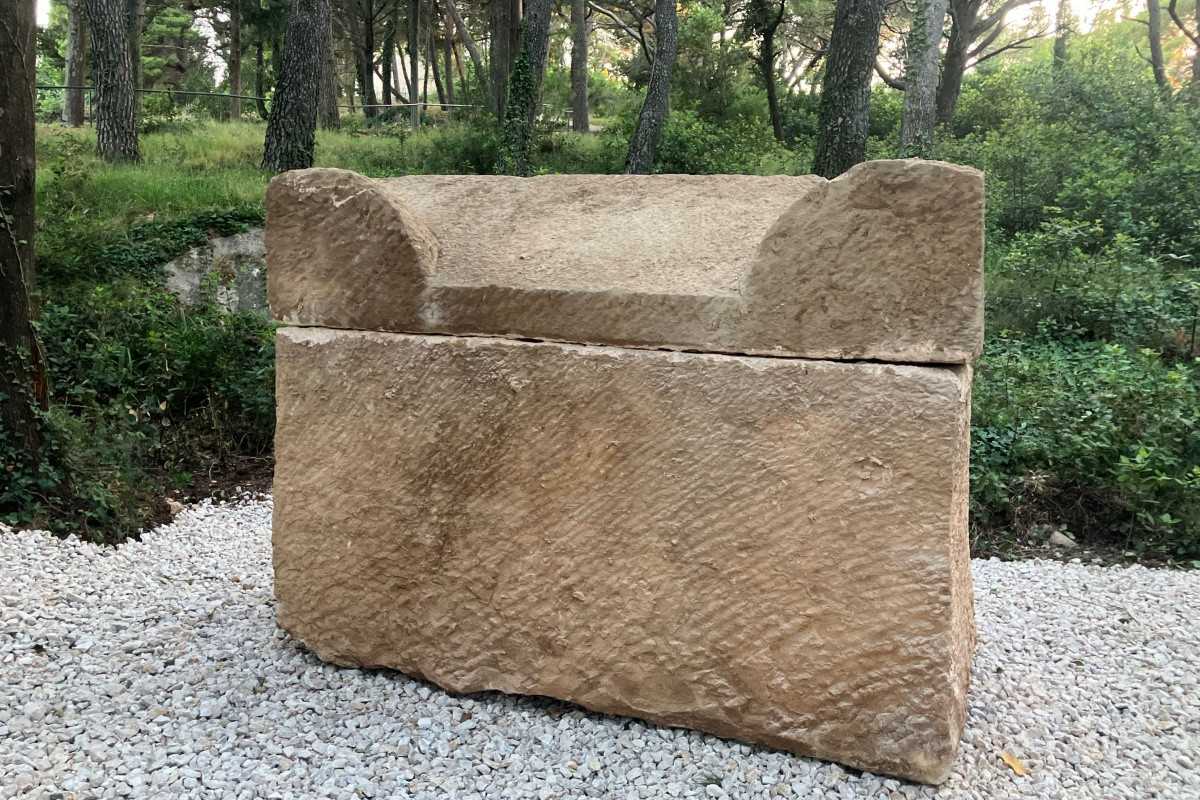
Photo: MIGK