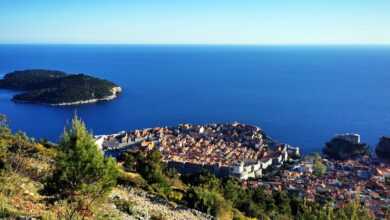
A city is often remembered through its smallest habits
People do not always remember a place through its biggest landmarks.
Sometimes what stays with them is something much smaller: the sound of the hour being struck above the square, wings rising at noon, a slow coffee before the next plan, a familiar face near a fountain, the evening walk that was never really planned at all. In Dubrovnik, these small rituals matter. They give the city its human rhythm.
They are also often the things visitors remember most clearly later — not because they were grand, but because they felt real.
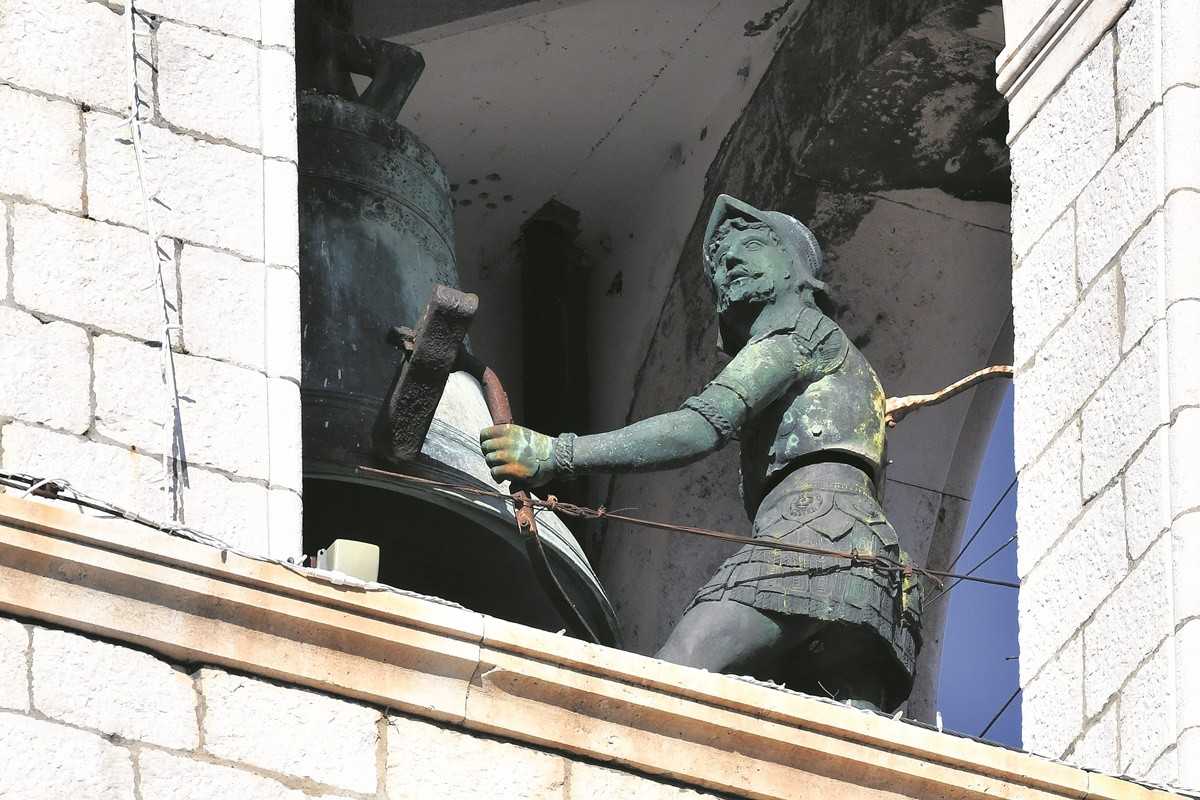
The Zelenci mark the hour above the city
No portrait of Dubrovnik’s everyday rhythm really begins without the Zelenci.
High on the bell tower, they strike the hour and have long been part of the city’s most recognisable daily soundscape. For locals, they are woven into habit. For visitors, they are often one of those details first noticed in passing and remembered much later — not simply as figures on a tower, but as part of the way Dubrovnik tells time.
That is part of their power. They belong to the city’s atmosphere as much as the stone, the square and the sea beyond it.
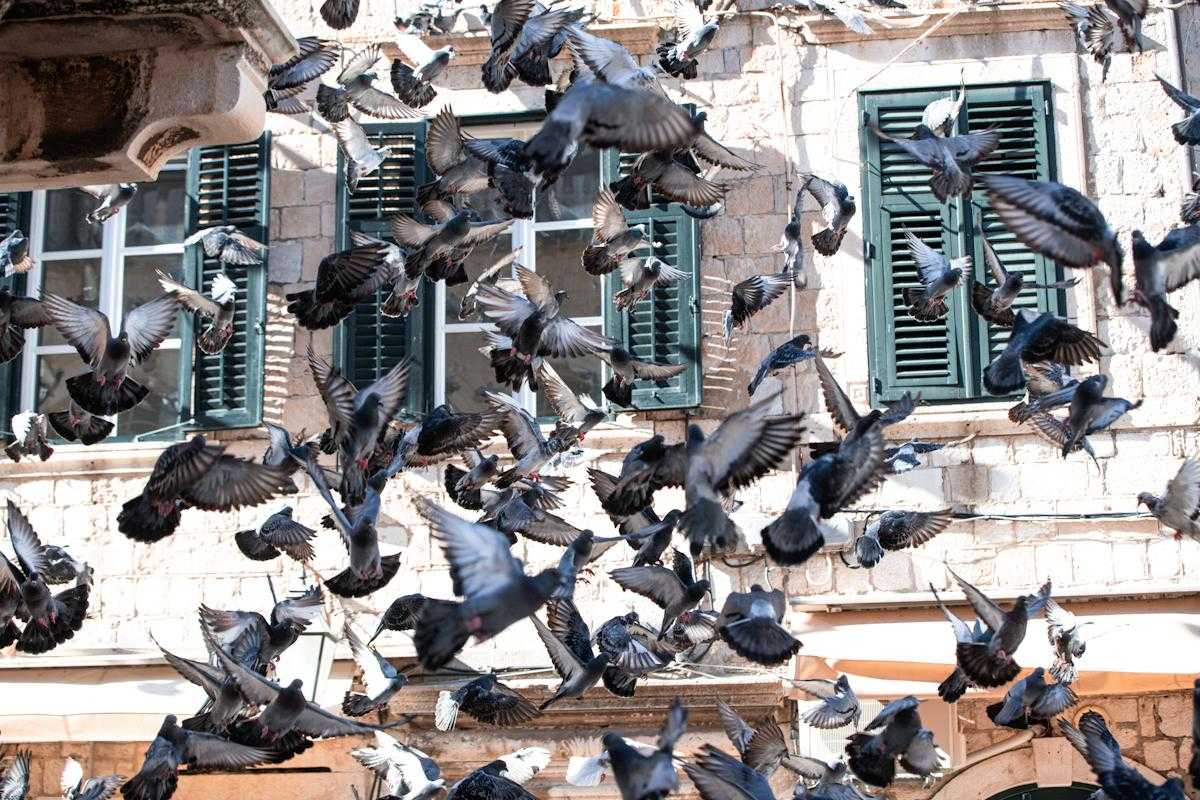
At noon, the pigeons take over Gundulić Square
Another small ritual arrives with perfect timing.
Every day around noon, the pigeons gather in Gundulić Square for their familiar feeding, creating one of the city’s liveliest daily scenes. Children especially love it. They stop, laugh, run toward the birds, hesitate for a second, then run again. For a few minutes, the square belongs to movement, wings and delight.
It is one of those Dubrovnik moments that feels simple while it is happening and strangely memorable later.
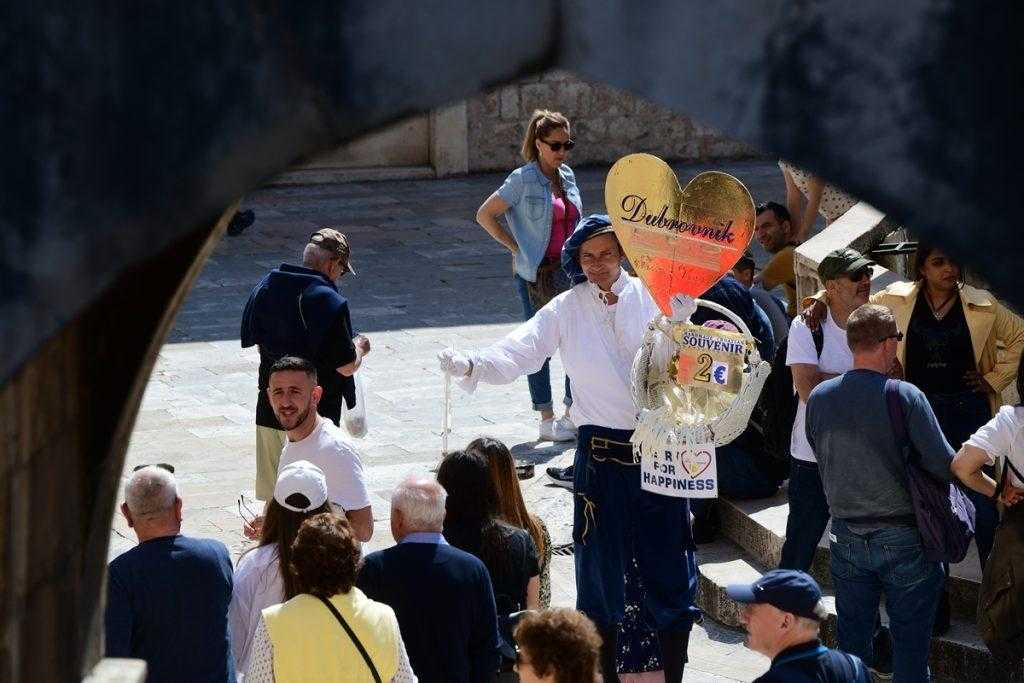
Mirso by the Great Onofrio’s Fountain is one of those familiar Dubrovnik faces
Not every city has someone who becomes part of its everyday image simply by being there, year after year.
In Dubrovnik, that person is often Mirso. With his recognisable smile and his little heart souvenirs, he has for years been part of daily life by the Great Onofrio’s Fountain, where many locals greet him and many visitors first notice one of the city’s most familiar faces.
He is one of those people who quietly become part of a place’s memory. Not a monument, not a landmark, but still something visitors remember when they think back on the city.
Coffee is rarely just coffee
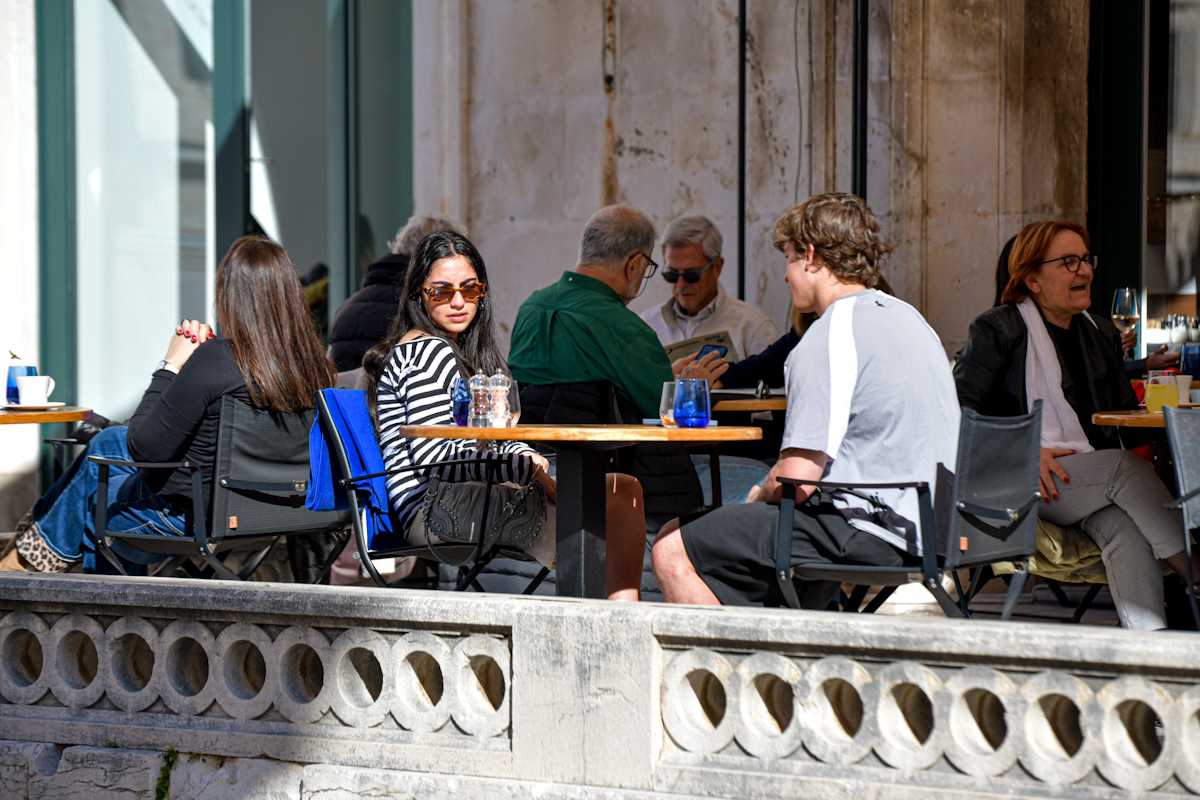
In Dubrovnik, coffee is very often less about caffeine than about pause.
It is part of the city’s social language — a moment of stillness, conversation, watching and being present. Visitors notice it quickly, even if they do not always realise how much meaning locals place in it. A coffee in Dubrovnik is rarely rushed. It sits somewhere between habit and ritual, between meeting someone and taking time for yourself.
That is part of what gives the city its slower elegance.
Porporela is where people go when they want the city and the sea at once
Some rituals are not tied to an hour, but to a feeling.
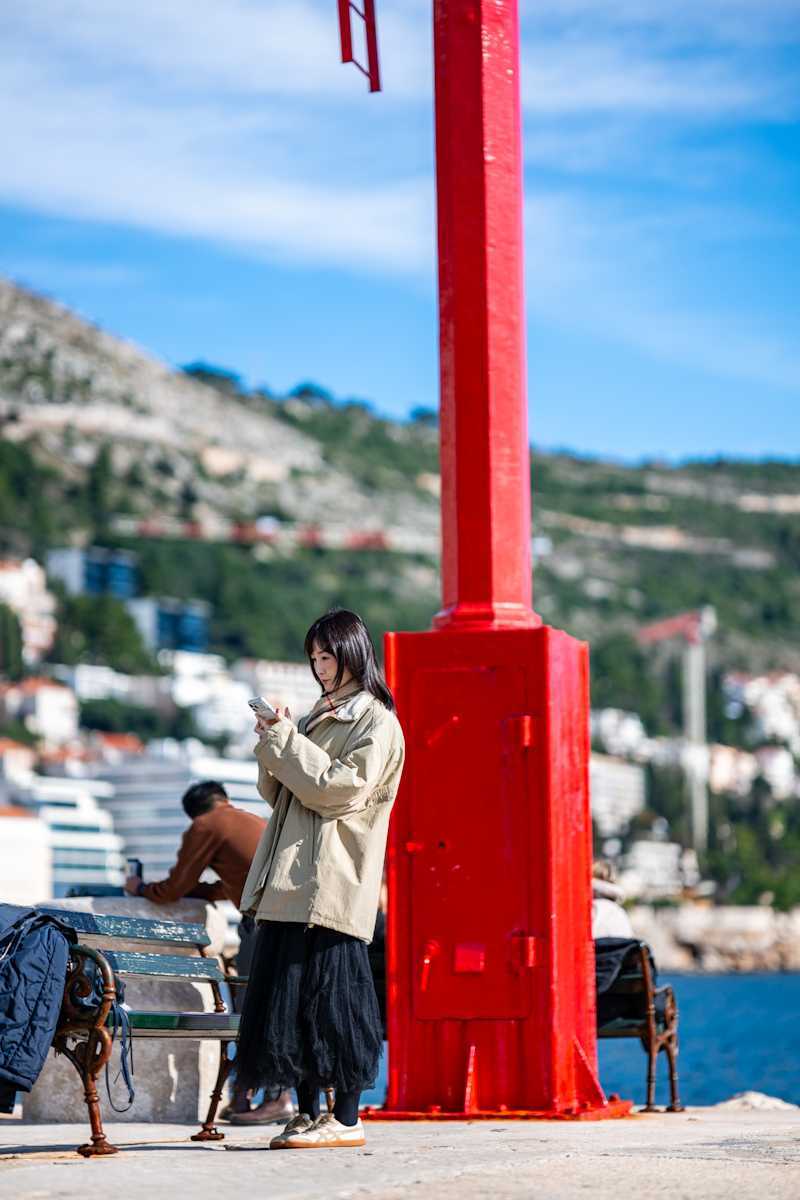
Porporela, with its stone edge and small red beacon, has long been one of those places where people go to sit, talk, watch the water or simply do very little. It belongs to meetings, summer evenings, pauses and all the quieter emotions a city can hold.
Visitors may first see it as a beautiful edge of the Old Town. Later, they tend to understand it as something more intimate than that.
Dubrovnik’s evening walk is still one of its simplest pleasures
There is also the ritual of walking without purpose.
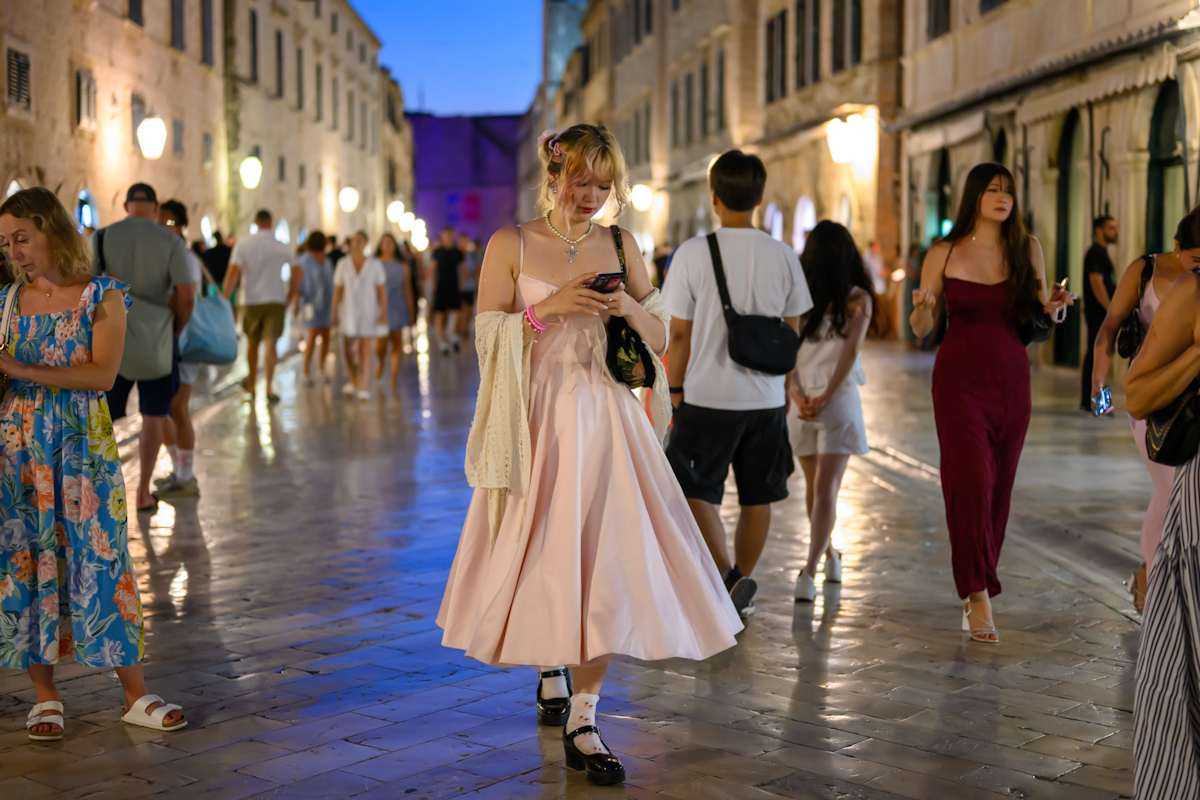
As the day softens, the city changes pace again. The evening walk through Dubrovnik is not always about getting somewhere. Often, it is simply about being in the city at the right hour — when the light fades, the stone cools, and everything feels a little less exposed than it did earlier in the day.
That is one of Dubrovnik’s oldest pleasures: walking as atmosphere, not just movement.
Then come the swifts
If Dubrovnik has an evening sound that returns again and again, it is the sound of the swifts.
These fast, high-flying birds belong to the city’s late afternoon and early evening atmosphere, cutting through the sky with their sharp calls as the day begins to turn. You may not always notice them immediately, but once you do, they become impossible to separate from the feeling of Dubrovnik at that hour.
They belong to that moment between heat and calm, between day and evening, when the city seems suspended between stone and sky.
The places where people meet matter too
Every city has its meeting points, and Dubrovnik is full of them.
The Great Onofrio’s Fountain, Gundulić Square, Porporela, the space beneath the clock tower, these are not just locations, but small social anchors. They are where people wait, arrive, pause, run into one another, begin a conversation or start an evening. Visitors may not think of them that way at first, but they often remember them later as the places where Dubrovnik felt most alive.
Not because something spectacular happened there, but because ordinary life did.
Why the smallest things stay longest
That may be the real lesson of Dubrovnik.
The city is famous for its walls, its beauty and its dramatic setting. But what often lingers most strongly are the smaller rituals that give it warmth and rhythm: the Zelenci striking the hour, the pigeons at noon, the sound of swifts in the evening, a coffee that lasts longer than expected, a familiar face by the Great Onofrio’s Fountain and the pause at Porporela.
These are the details that make Dubrovnik feel less like a postcard and more like a place people carry with them.