Access is restricted again from 1 April
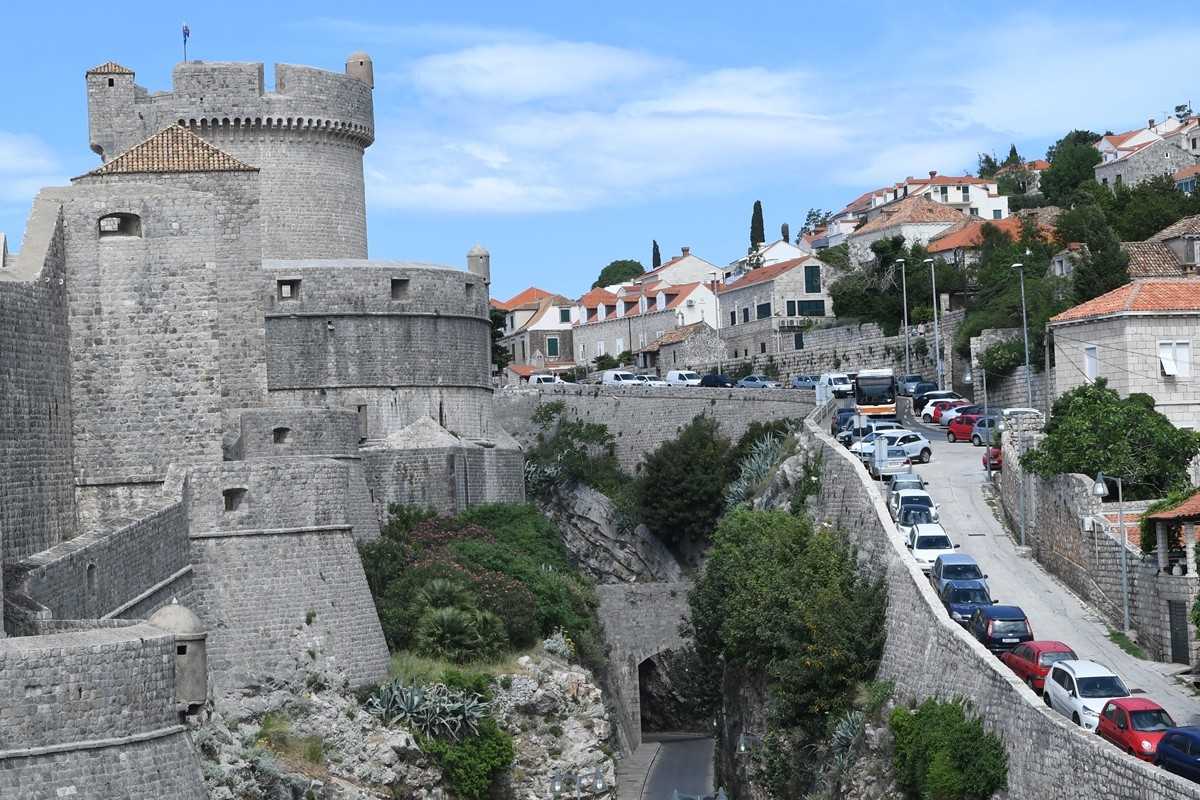
If you are planning to arrive in Dubrovnik by car in 2026, one thing matters more than many visitors realise: you cannot simply drive around the Old Town as before. According to the Dubrovnik Tourist Board, access by vehicle to the historic city zone is restricted from 1 April to 30 November 2026, as part of the city’s special traffic management system.
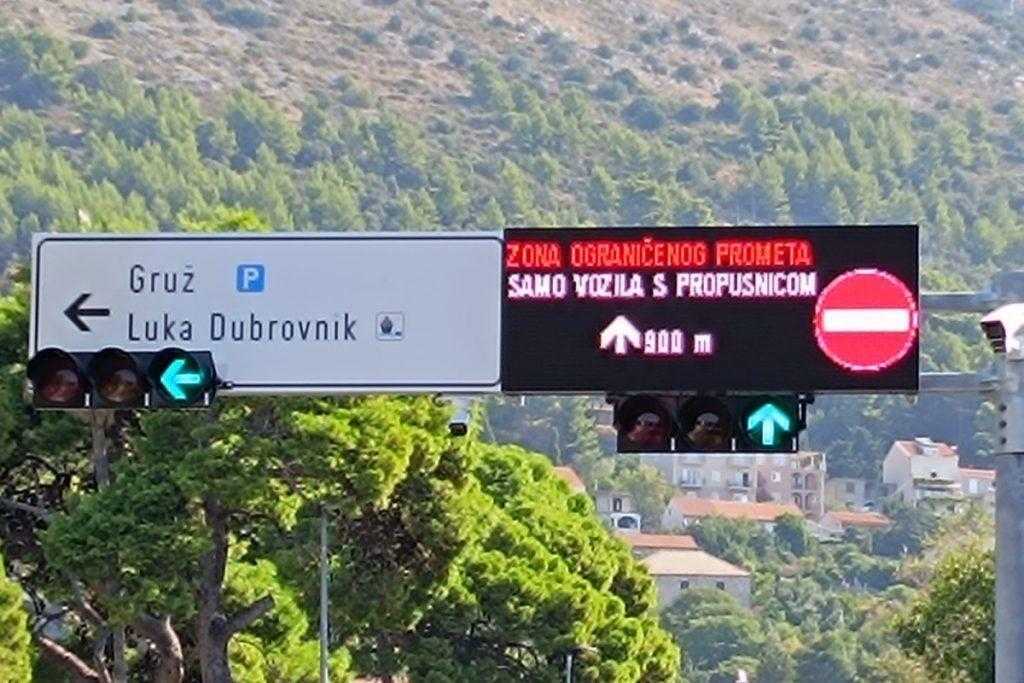
The zone covers the wider area around the Old Town, stretching from Ilijina glavica along Zagrebačka Street to Viktorija, and across the areas from Pile to Boninovo. Only vehicles with approved access are allowed to enter.
The basic rule is simple
For most visitors, the practical rule is this: if you are coming by car, you need to arrange access in advance. The Dubrovnik Tourist Board says tourists may enter the zone only if they have organised one of the approved forms of access beforehand.
That means this is no longer a part of Dubrovnik where drivers should expect to arrive, decide on the spot and improvise. The city is clearly steering visitors toward pre-arranged entry, designated parking and more controlled movement around the historic core. This is an editorial inference based on the published access rules and permit structure.
Who can actually enter by car
The Tourist Board’s visitor guidance says access is allowed if one of the following applies. Visitors may enter the zone if they have a pre-booked parking space at the Pile parking garage or at the lower cable car station parking area, if they are staying in private accommodation with its own garage or parking space inside the zone and the host has submitted their licence plate in advance, or if they are staying in a hotel located inside the zone.
The city’s special traffic zone page also points users toward the official digital system for permits and regulated access.
Parking now matters more than ever
One of the clearest changes for visitors is that parking near the Old Town now depends much more on prior booking. The Tourist Board states that tourists arriving by car can access the zone only if they have a prepaid reservation for one of the approved parking options, specifically Pile or the lower cable car station.
That makes parking not just a practical detail, but part of the access system itself. In other words, the booking is no longer simply about convenience — it is part of whether you are allowed to enter the area at all. This is an editorial inference based on the published entry conditions.
Hotel guests and private accommodation guests are treated differently
If you are staying in a hotel inside the zone, your access can be arranged through the hotel. If you are staying in private accommodation, that alone is not enough. The Tourist Board says you may enter only if the accommodation has its own garage or parking space inside the zone and your vehicle registration plate has been submitted in advance by the host.
This is one of the most important details for visitors to understand, because many travellers assume that simply having accommodation near the centre automatically gives them the right to drive there. Under the 2026 rules, that is not the case. This is an editorial explanation grounded in the official entry categories.
It is better not to rely on last-minute driving decisions
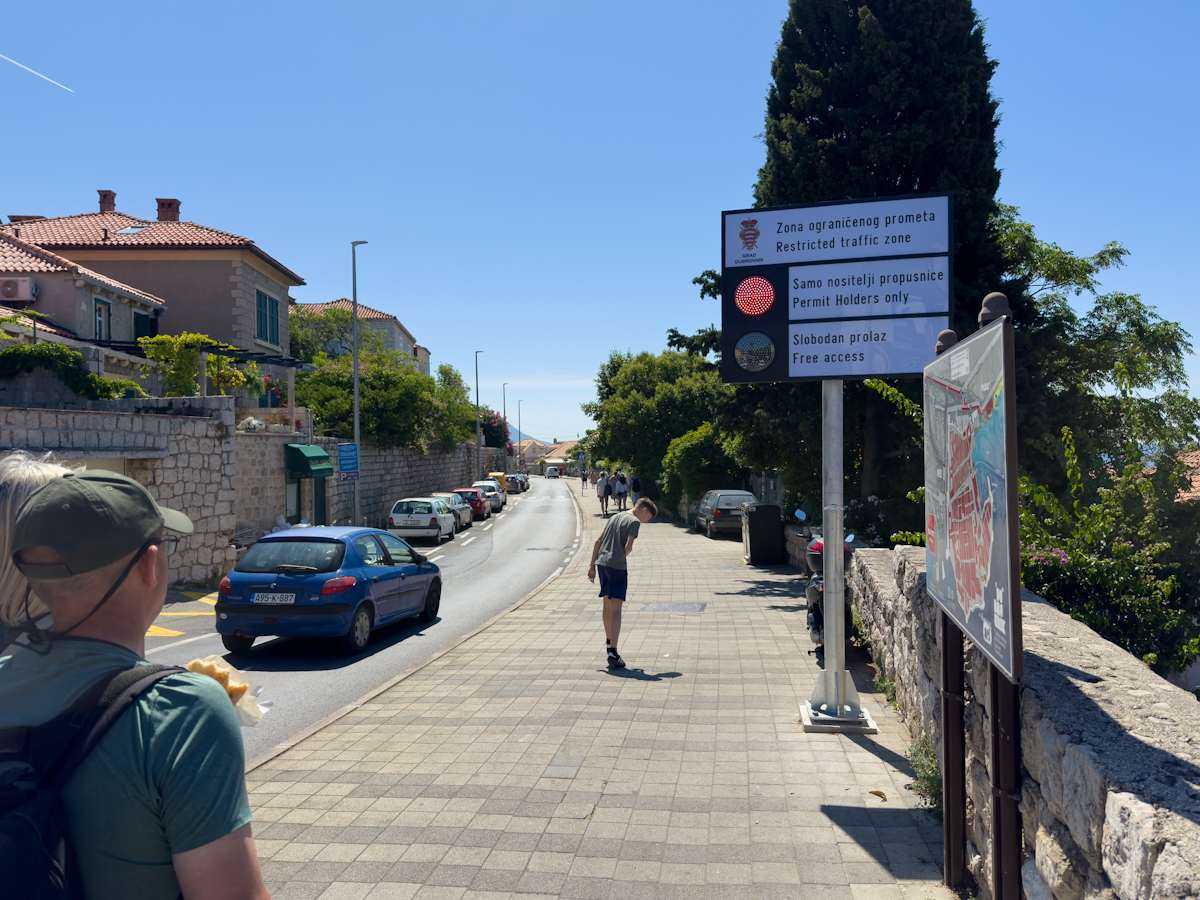
The city’s system is built around managed entry, not spontaneous access. The official guidance makes clear that visitors should check conditions before arriving and arrange parking or vehicle access ahead of time.
For most travellers, that means the smartest option is to decide in advance whether they actually need to drive near the Old Town at all. In many cases, it may be easier to approach Dubrovnik without trying to take a car deep into the central zone. This is an editorial recommendation based on the city’s restricted-access model and parking rules.
Why Dubrovnik is doing this
The City of Dubrovnik says the special traffic management system was introduced to help preserve the historic core and its buffer zone while supporting sustainable urban mobility. Official city materials also position the zone as part of a broader effort to manage visitor flows, traffic congestion and quality of life in the centre.
So while the rules may feel stricter to visitors, they are part of a larger shift in how Dubrovnik is trying to protect and manage one of its most sensitive urban areas.