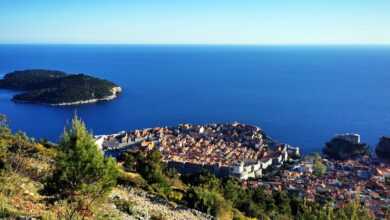
Earlier or later is usually the better choice
If you want the best overall experience on Dubrovnik’s City Walls, the safest rule is simple: go early in the morning or later in the afternoon. A current Dubrovnik walls guide recommends exactly that timing for cooler temperatures, better light and fewer crowds.
Why timing matters more here than many visitors expect
The walls are not just a viewpoint. They form a long open-air walk along Dubrovnik’s fortification system, stretching for about 1,940 metres. The official walls site says the complex includes towers, bastions, fortresses and other defensive elements, which means you are spending real time outside, exposed to sun and weather rather than stepping onto a short terrace for a quick look.
The official code of conduct also advises visitors to check the weather, wear appropriate clothing and footwear, and bring drinking water, a hat or cap and sunscreen. That alone tells you a lot about the nature of the walk.
Morning is often the easiest option
For many visitors, the best moment is soon after opening. Independent Dubrovnik guidance recommends aiming for opening time in the morning to avoid stronger heat and busier conditions later in the day.
That is especially useful from late spring into summer, when the walls can feel much more exposed. If comfort matters, the morning is usually the least demanding part of the day.
Late afternoon can work very well too
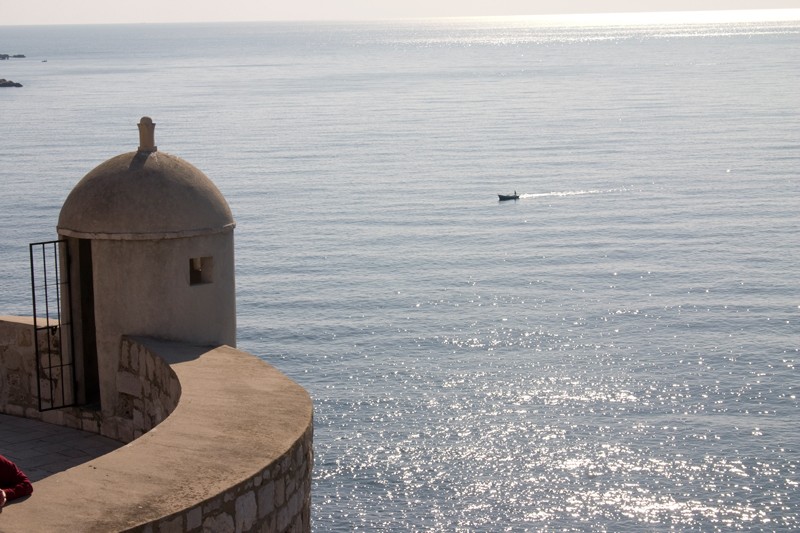
If you are not an early riser, late afternoon is also a very good option. The same Dubrovnik wall guidance recommends late afternoon as another strong choice, again because of softer light and more comfortable conditions than the middle of the day.
The main thing to avoid is the hottest, brightest part of the day, when there is little shelter and the stone can feel much harsher underfoot.
The walls do have closing times, and they change with the season
Another reason to plan ahead is that the walls do not stay open to one fixed hour all year. The official FAQ says Dubrovnik City Walls are open every day of the year except Christmas Day, 25 December, and that the winter period runs from 1 November to 31 March. It also makes one very important point: the stated closing time is also the last entry time.
So if the day’s schedule says the walls close at 18:00, that also means 18:00 is the last moment to enter.
Spring and early autumn are often the most comfortable seasons
If you are choosing not only the hour but the season, spring and early autumn are usually the easiest times to enjoy the walls. Current Dubrovnik travel guidance points to those parts of the year as a good balance between pleasant weather and more manageable conditions.
That makes sense in practice. You still get the atmosphere and the views, but the walk often feels far less demanding than it can in peak summer.
What this means in practice
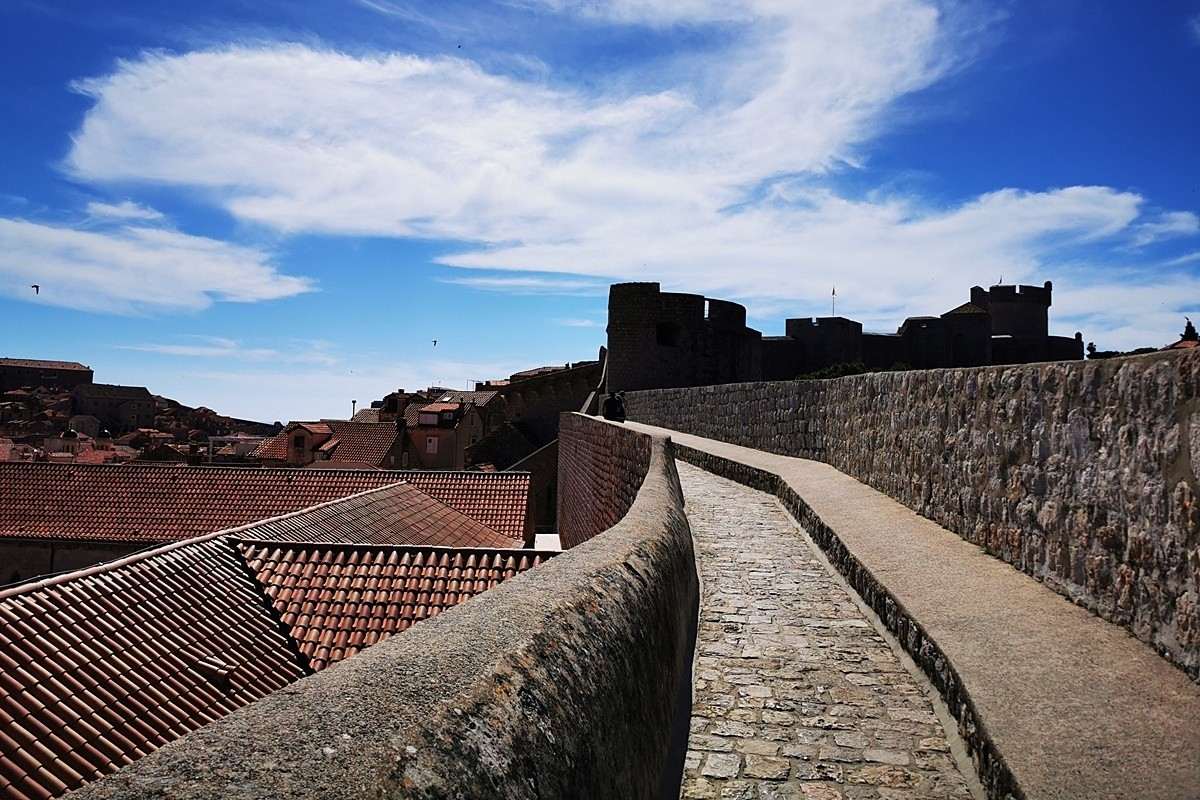
If you are visiting in spring or autumn, try to go in the morning for the easiest walk, or in the later afternoon for softer light. If you are visiting in summer, that timing becomes even more important, because the walls are very exposed and the official visitor guidance itself makes clear that sun protection, water and suitable clothing matter.
And whatever the season, check the day’s current schedule before you go, because the entry window changes through the year and the closing hour is also the last admission.
The best visit is not only about the view
The City Walls are always impressive, but timing can make the difference between a rushed, overheated circuit and a genuinely memorable walk. In Dubrovnik, the best time is usually when the city feels a little quieter, the light a little softer and the stone a little kinder underfoot.