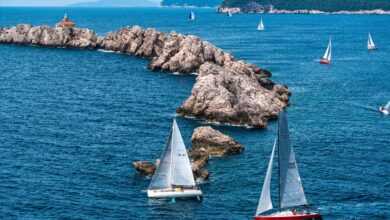
Dubrovnik is usually introduced through its walls, squares and sea views, but the city also has another kind of public space, quieter, less photographed and no less important. The Dubrovnik Libraries are not only places for books and study, but also places where the city gathers through exhibitions, workshops, concerts, book presentations and educational programmes. Their official website makes that clear immediately: alongside library services, the homepage is filled with event announcements and a live calendar of cultural programmes.
That matters because it shows the libraries are not operating only as reading rooms. They are part of Dubrovnik’s living cultural rhythm.
Two libraries at the core of one institution
The institution itself brings together two main pillars: the Scientific Library Dubrovnik and the Public Library. On its official website, Dubrovnik Libraries presents both Znanstvena knjižnica and Narodna knjižnica as key parts of the wider system. Its mission statement says the Scientific Library serves the needs of the academic, university and research community, while the Public Library’s mission is to provide library services to the residents of the city and county, encourage reading habits, support learning and inform both citizens and visitors about the city and its surroundings.
That dual structure gives the institution a wider character. One side carries the city’s scholarly and research role, while the other keeps it closely connected to everyday readers, families, schools and the broader public.
The Public Library is also a social and cultural space
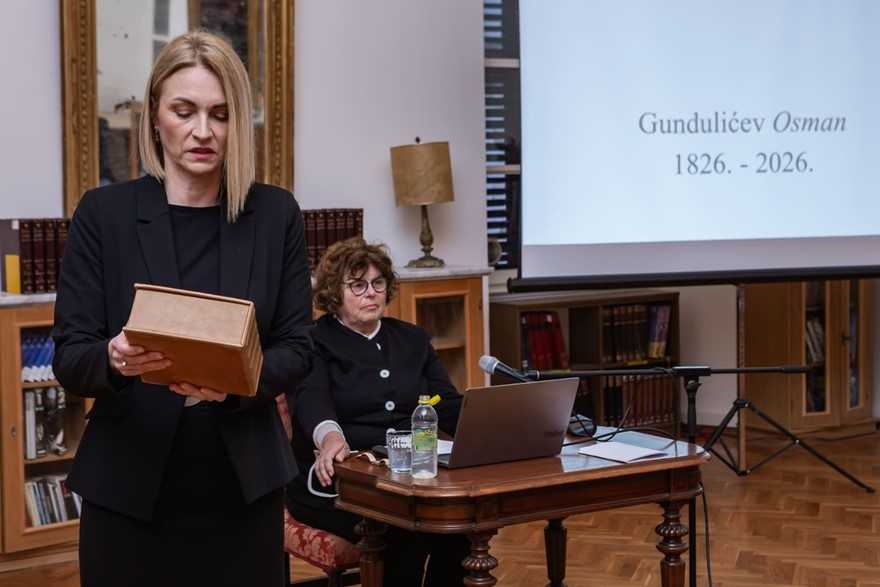
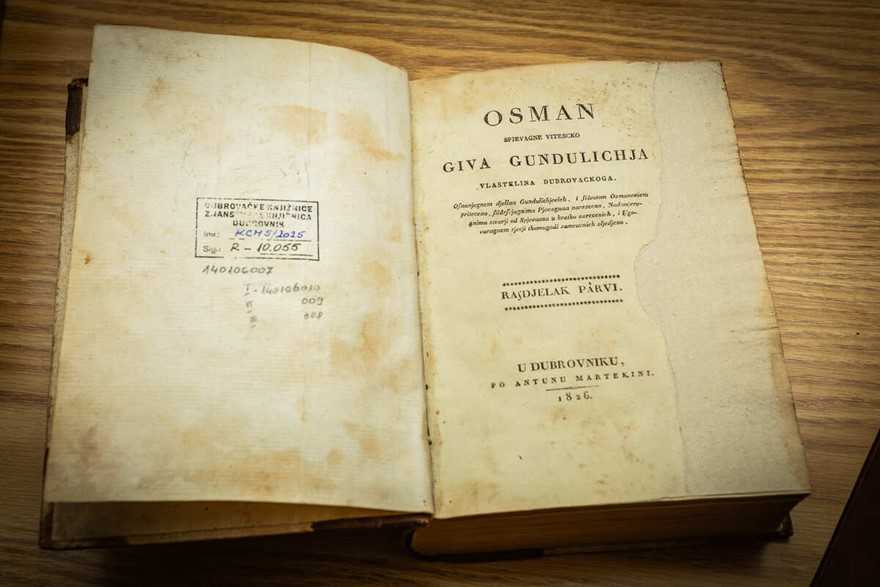
If the Scientific Library carries Dubrovnik’s research and academic side, the Public Library carries much of its everyday cultural life. The official Dubrovnik Libraries homepage and calendar show a wide range of programmes, especially in Narodna knjižnica Grad, including lectures, exhibitions, book launches, workshops and concerts. Recent examples include Noć knjige, a lecture by Slavica Stojan marking 200 years since the printing of Gundulić’s Osman, an exhibition of student creative work, and a presentation of the book Propaganda slavnih.
That makes the Public Library much more than a place to borrow books. It works as a civic interior, one of those spaces where culture becomes part of daily life rather than something separate from it.
A place of events, not only of reading
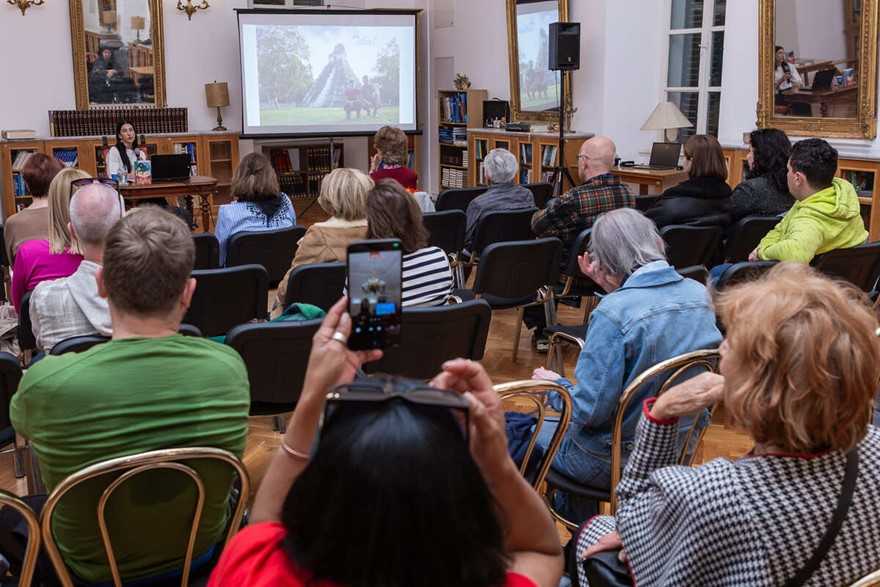
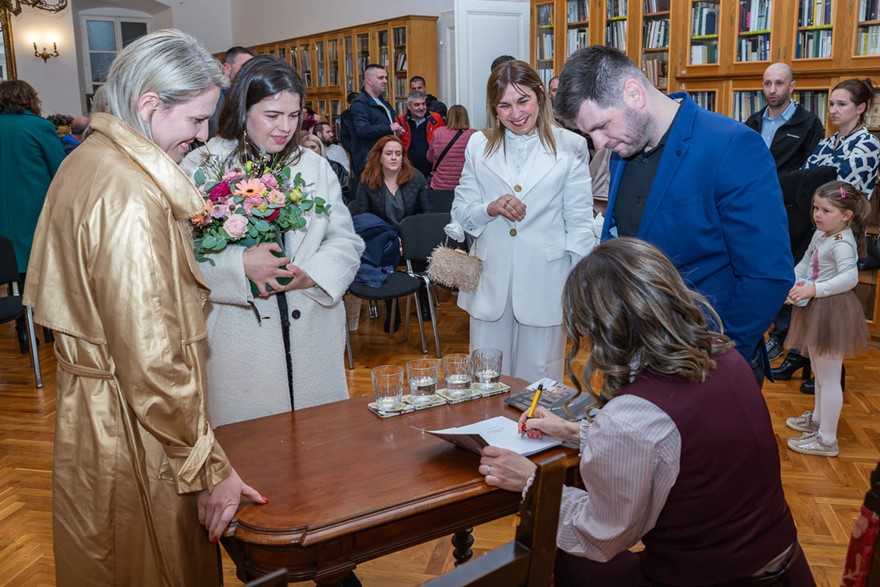
One of the most interesting things about Dubrovnik Libraries is how clearly they function as venues of encounter. Their official calendar shows not only literary presentations, but also exhibitions, reading programmes, educational events and concerts. A chamber music concert in the Saloča od zrcala, workshops linked to Noć knjige, and lectures devoted to Dubrovnik literary heritage all suggest an institution that is active, open and woven into the city’s public life.
This gives the libraries a wider social role. They are not only spaces of silence and individual reading, but places where the city’s cultural and educational communities actually meet.
The city’s reading culture also has deep roots
The institutional history adds another important layer. According to the official history page, the Dubrovnik library collection grew through donations made over centuries by prominent individuals who left their private libraries to the Republic, the City or the Municipality so that they could be properly housed and made publicly accessible. The same page traces this civic idea of shared books back to the 15th century.
That long tradition matters. It suggests that the library in Dubrovnik was never only a functional service. It was also part of a civic idea: that knowledge, books and memory should remain available to the public.
Rich collections across two historic locations
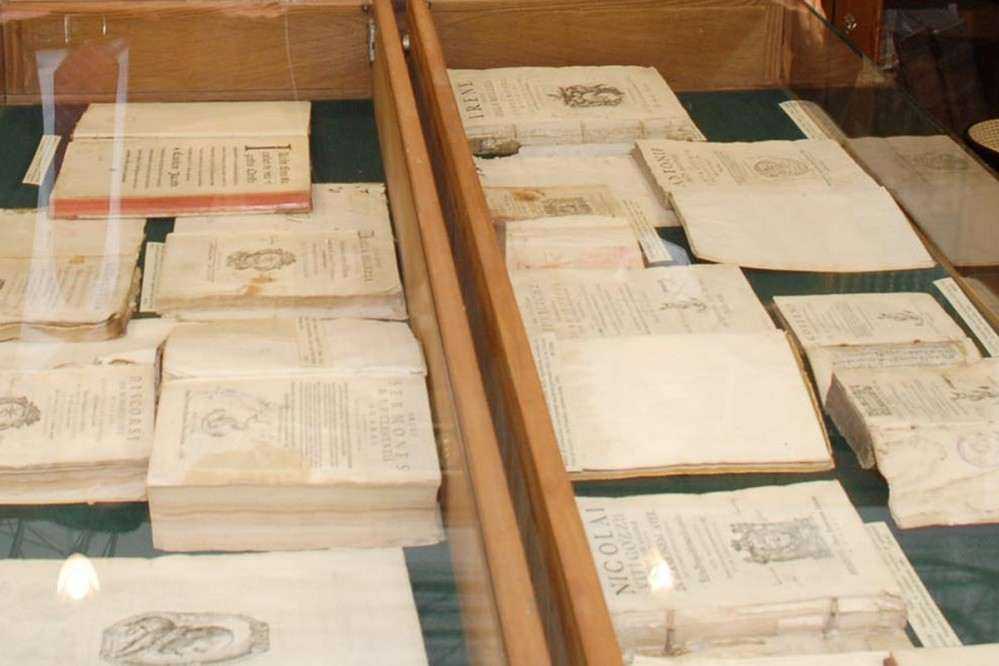
The importance of Dubrovnik Libraries also lies in the richness of their holdings, especially within the Dubrovnik Research Library. According to its official English-language presentation, the Research Library operates on two locations: the Bassegli-Caboga Palace in the Old Town and the Stjepović-Skočibuha summer villa in Boninovo. The palace holds locally and nationally significant heritage collections, while the Boninovo site serves as a depository for the remaining collections, including the Croatian Legal Deposit with books, periodicals, audiovisual materials, ephemera and maps, as well as a general collection and part of the reference collection. The same page also lists departments for reading-room and information services, cataloguing, and preventive care, restoration and digitisation.
These details give the institution real weight. Dubrovnik Libraries are not only active public venues, but also custodians of extensive written, printed and audiovisual heritage.
The libraries also open Dubrovnik’s heritage in digital form
Another important part of Dubrovnik Libraries today is the way they connect heritage with contemporary access. The official mission statement says the Scientific Library should make its collections available to users through internet services as well as in its reading rooms, while protecting those holdings that represent Dubrovnik, national and European heritage. The same strategic text places the Scientific Library within an international research environment shaped by digital culture, technological change and open science initiatives.
That makes the digital side of the institution especially important. It shows that Dubrovnik Libraries are not only preserving written heritage on site, but also thinking seriously about how access to knowledge and heritage should function in a contemporary world.
Why this matters in Dubrovnik
For a city as visually powerful as Dubrovnik, places like libraries are easy to overlook. Visitors notice walls and monuments immediately, while institutions of reading, study and public conversation remain quieter in the background. But they tell an important part of the city’s story. They show Dubrovnik not only as a place of heritage, but as a place that still values books, education, scholarship and shared cultural space. That is an inference, but it follows directly from the libraries’ published mission, history and programme structure.
More than reading rooms, they are part of the city’s cultural rhythm
That may be the best way to understand Dubrovnik Libraries today. They are, of course, libraries in the traditional sense, places of reading, collections and research. But they are also something wider: places of public life, reflection and cultural exchange.
In a city so often described through stone and spectacle, that quieter role is worth noticing. Because Dubrovnik is not shaped only by what people come to see. It is also shaped by the places where people come to read, listen, learn and meet.
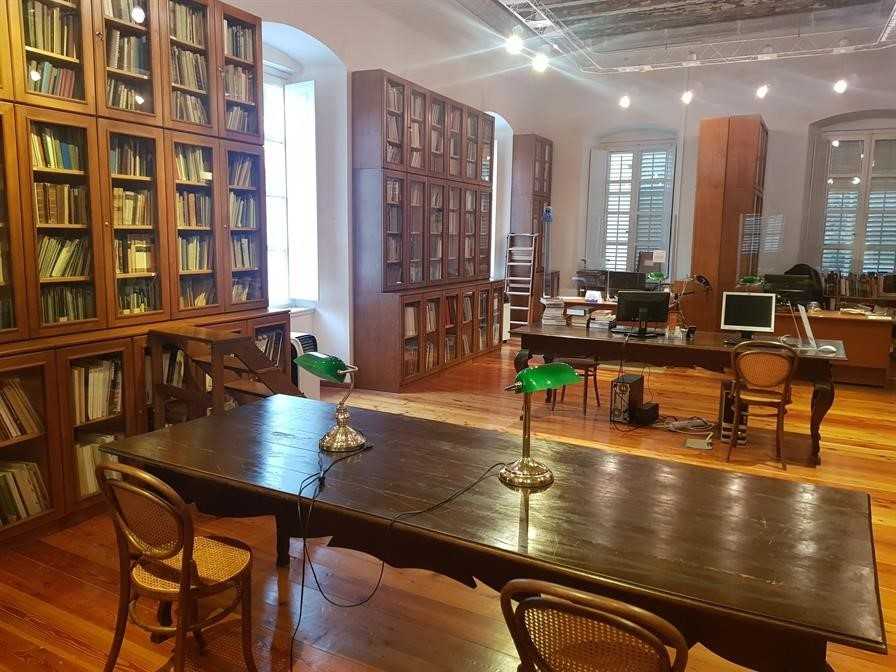
Photo: Dubrovnik Libraries