A new memorial is beginning to take shape in Gruž
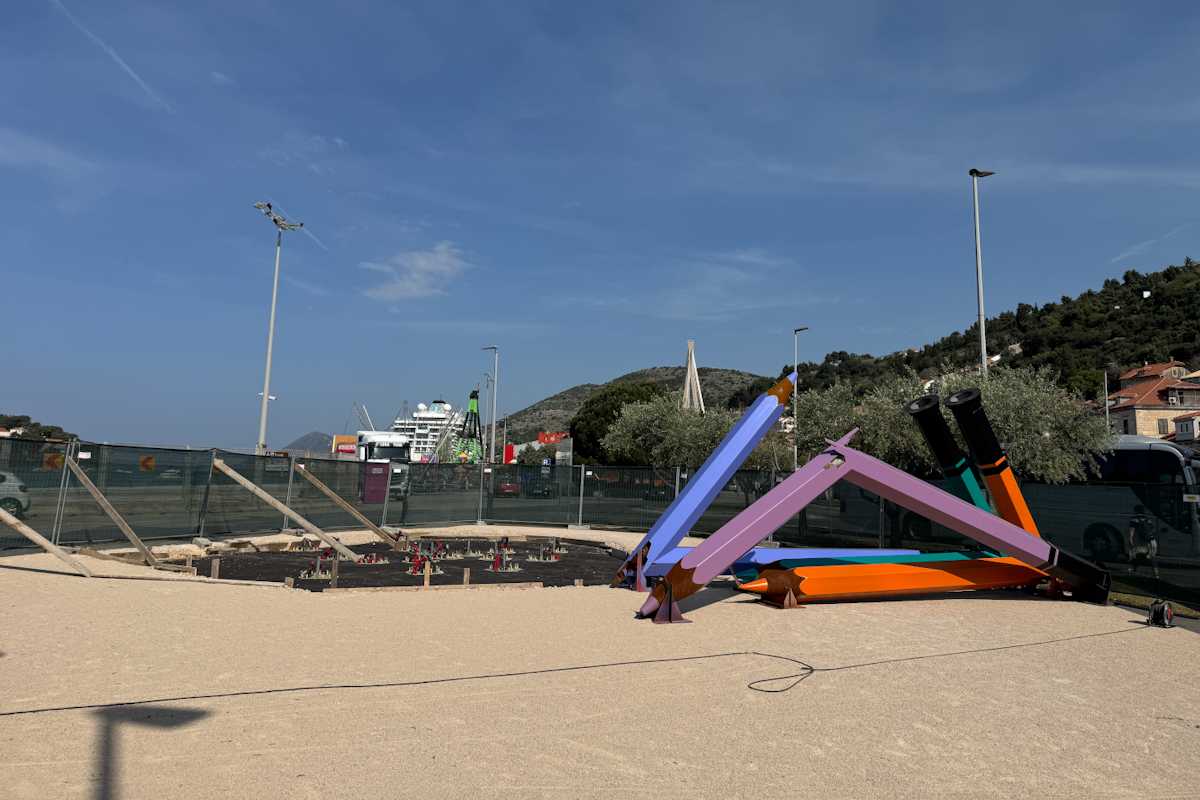
A new memorial is currently being installed in Gruž, and while the site is not yet complete, its meaning is already clear. Local reporting confirms that work has begun on the memorial dedicated to children killed in the Homeland War in Dubrovnik, with the first elements of the sculpture now arriving on site.
For visitors and residents alike, this is one of those places that will matter not only because of how it looks, but because of what it stands for.
Why the memorial is called “Broken Pencils”
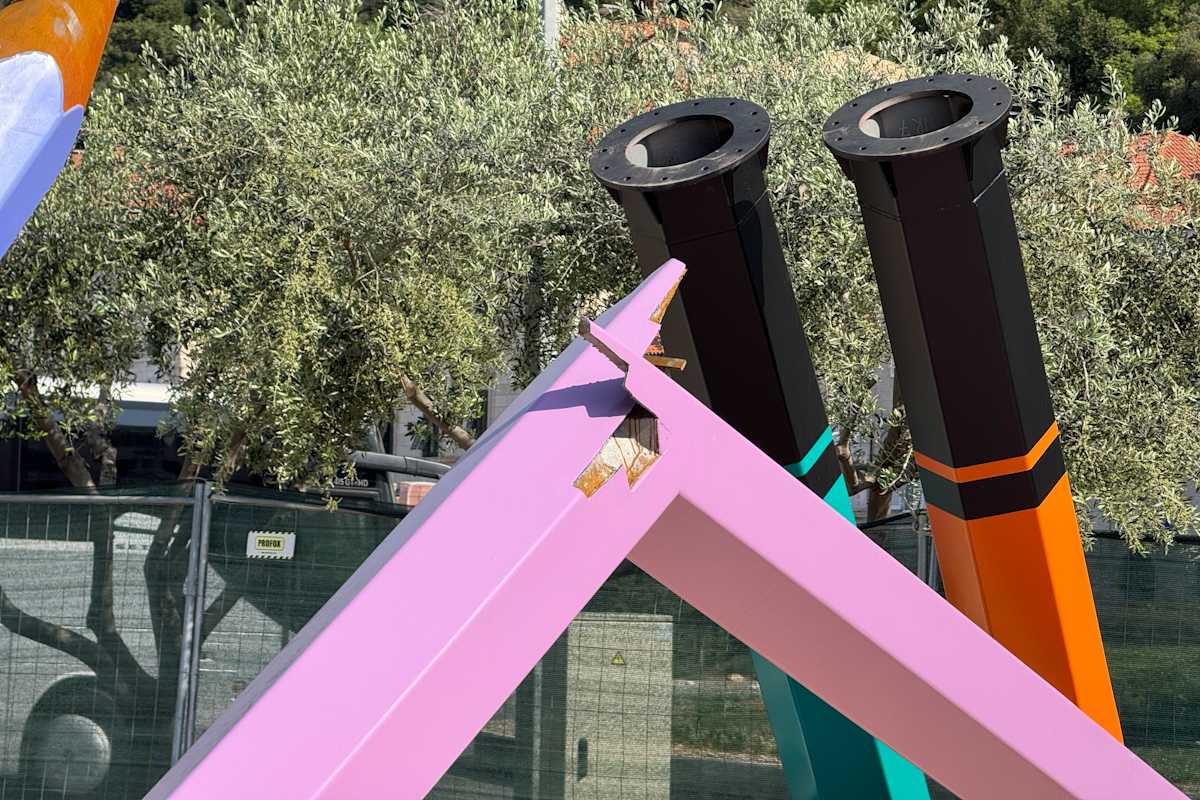
The memorial is designed as a composition of 15 broken pencils, each rising to a height of around eight metres. According to recent reporting on the project, the pencils are conceived in different colours and are meant to symbolise interrupted childhood, the everyday world of play, drawing and growing up, broken by war.
That symbolism gives the work its emotional force. A pencil is one of the simplest objects associated with childhood, school and ordinary life. Broken, it becomes something else entirely: a sign of absence, loss and lives cut short.
A memorial to children killed in the Homeland War
The new memorial is being created in honour of the children from the Dubrovnik area who were killed during the Homeland War. The City of Dubrovnik’s official war-damage archive states that during the siege and destruction of Dubrovnik, 92 civilians were killed, including 15 children.
That number is central to the memorial itself. The 15 broken pencils directly reflect the number of children whose lives were lost, turning a statistic into a visible and deeply human image. This connection between the number of children and the number of sculptural elements is described in multiple reports on the monument. (narod.hr)
More than a monument, it is also part of a public park
This is not planned as an isolated sculpture standing on its own. Earlier reporting on the project described it as part of a future public city park with a memorial space dedicated to children killed in the Homeland War. The broader plan was selected through a public design competition carried out by the City of Dubrovnik and the Association of Croatian Architects, with the winning solution created by academic sculptor Dalibor Stošić and designer-architect Hrvoje Bilandžić.
That matters because the site is intended not only for commemoration, but also as a public space shaped around memory, reflection and the city’s responsibility to remember its youngest victims.
Why this memorial will matter when it is finished
Some memorials explain themselves immediately. Others need context. This one will likely be both visually striking and emotionally direct, but its full meaning becomes clearer once you understand the symbolism behind it.
The pencils represent childhood. Their broken form represents its interruption. Their scale makes that loss impossible to ignore. And their placement in Gruž means the memorial will enter the everyday life of the city rather than remain hidden on the margins. This last point is an inference, but it follows directly from the project’s public-park setting and the symbolic logic described in reporting on the monument. (DuList)
A place of memory for the city
Even before the memorial is complete, it already points to something important about Dubrovnik: that remembrance here is not only about military history or damage to buildings, but also about the human cost of war. The project places children at the centre of that memory, and in doing so gives the city a new place of reflection. The wider national context also matters, as Croatia formally marked the Day of Remembrance for Children Killed in the Homeland War for the first time in 2025.
That gives the Gruž memorial an even wider significance. It belongs not only to Dubrovnik, but to a broader culture of remembering the youngest victims of the war.