The sweeter side of Dubrovnik
Dubrovnik is often introduced through its stone streets, sea views and historic beauty, but the city also has a quieter, older sweet tradition of its own. Local tourism sources highlight a whole range of characteristic desserts and sweet delicacies from the Dubrovnik area, from the well-known rozata to more old-fashioned treats such as kontonjata, mantala and arancini.
For visitors, that makes Dubrovnik especially interesting. The dessert story here is not built only around restaurant cakes or modern pastry trends, but around sweets with memory, season and regional identity behind them.
Rozata comes first
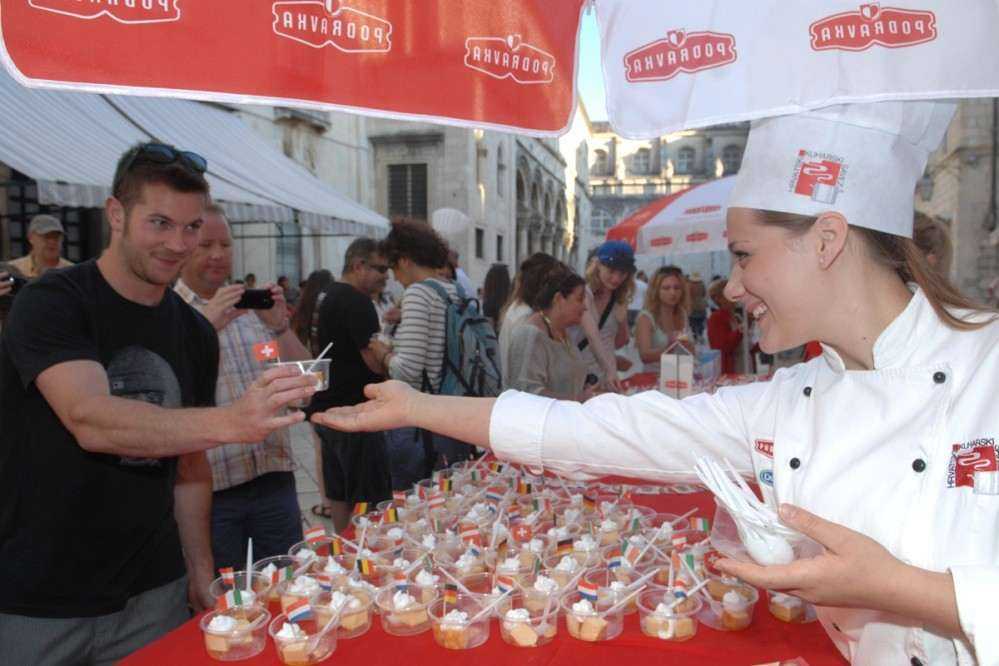
If there is one dessert that most clearly belongs to Dubrovnik, it is rozata. Visit Dubrovnik describes it as the starting point of local dessert stories in the county, while other Dubrovnik hospitality sources present it as a traditional local dessert found in many restaurants in the city. It is usually described as a caramel custard, often compared to crème caramel or flan.
What makes rozata feel especially local is not only the texture, but the character around it. Dubrovnik-area descriptions often connect it with rose liqueur or a fragrant, gently perfumed local touch, which gives the dessert a more regional identity than a simple custard would suggest.
Kontonjata is one of the old classics
A very different sweet, but one with equally deep roots, is kontonjata. Dubrovnik Tourist Board materials list it among the city’s traditional delicacies, describing it as a sweet made from quince, while local food writers note that it was once one of the favourite desserts of old Dubrovnik households.
For visitors, kontonjata may feel less instantly familiar than rožata, but that is exactly part of its charm. It belongs to an older Mediterranean world of preserving fruit, shaping sweets by hand and keeping seasonal flavours for later in the year.
Mantala belongs to the wider Dubrovnik region
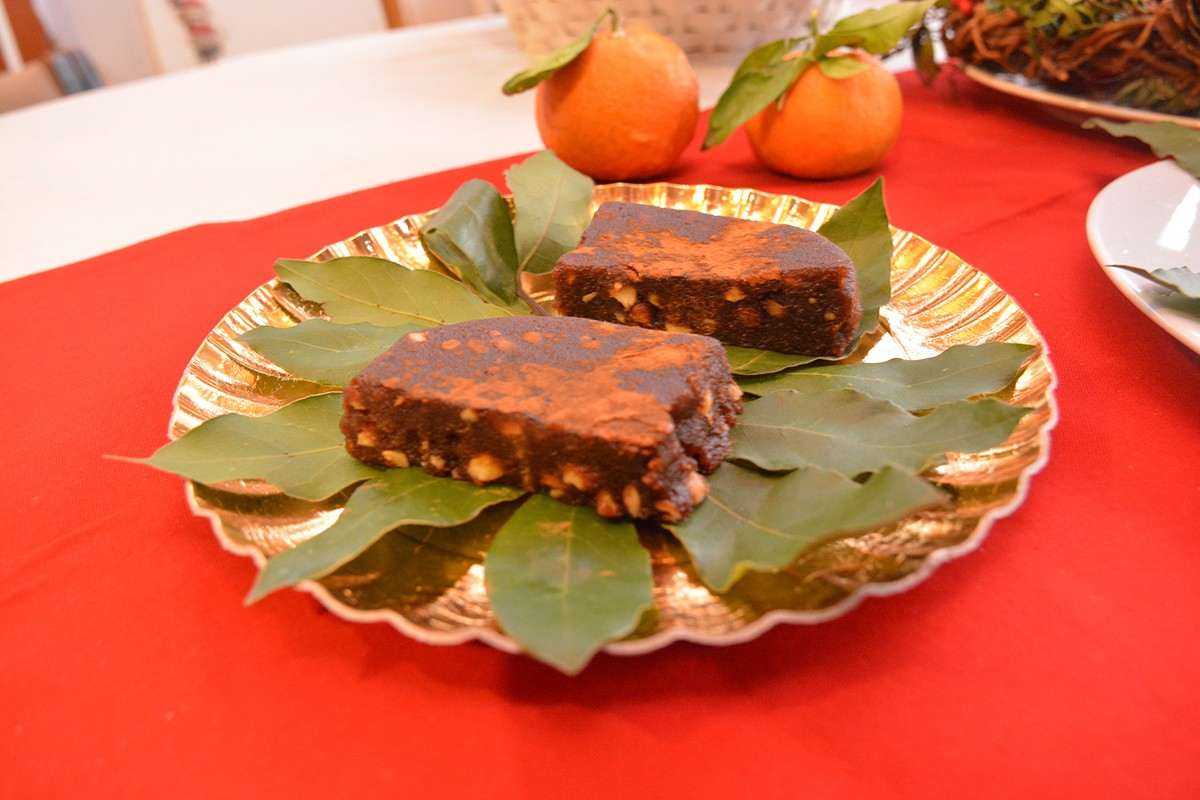
Then there is mantala, one of the most distinctive traditional sweets of the wider Dubrovnik region, especially associated with Konavle. Multiple regional sources describe it as a traditional sweet made from grape must, and note that it is prepared in autumn and traditionally kept for Christmas and other holidays.
Mantala is not the sort of dessert every visitor will immediately recognise, and it is not as universally available as rožata, but it says a great deal about the character of southern Dalmatian sweets. It is dense, old-fashioned and strongly tied to seasonal household preparation rather than restaurant convention.
Arancini and small traditional sweets still matter
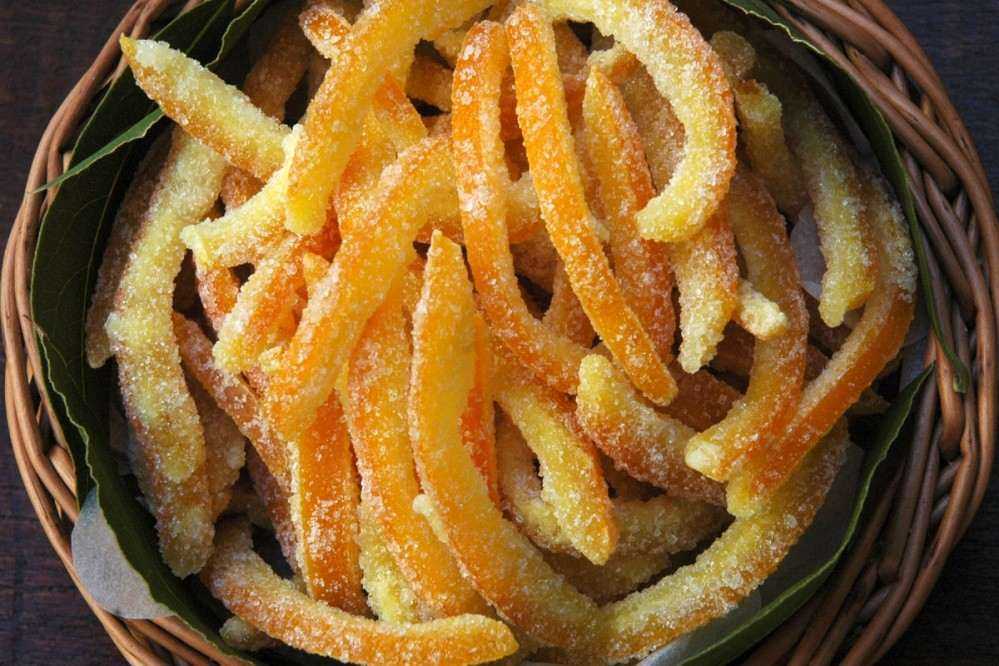
Some of Dubrovnik’s most characteristic sweets are also the simplest. Dubrovnik Tourist Board and Croatia’s official tourism materials both point to arancini — candied orange peel — as one of the traditional sweet delicacies of the area, often listed alongside dried figs, caramelised almonds and homemade liqueurs.
These are the kinds of sweets that tell you something about the region immediately: citrus, preservation, patience and a preference for flavour that does not need to be overcomplicated. They may seem modest compared with more theatrical desserts, but they are deeply local.
Dessert here is often tied to season and family
One of the most appealing things about Dubrovnik desserts is that many of them are still closely linked to the household and to the calendar. Kontonjata is often associated with winter and festive tables, while mantala is traditionally prepared during the grape harvest and saved for later celebrations. That seasonal rhythm gives the region’s sweet tradition a different feeling from a simple restaurant dessert list.
That is also why these sweets feel so rooted in place. They are not only dishes to order, but reminders of how food once moved through the year.
Where to begin if you are visiting
If you are trying Dubrovnik desserts for the first time, rožata is the easiest and most obvious place to start. It is the most recognisable, the most widely available and the one most clearly presented by local tourism sources as a culinary symbol of the area. After that, it is worth looking out for kontonjata, mantala and arancini, especially if you want to go beyond the most familiar restaurant classics.
The best way to approach them is with a little curiosity. Dubrovnik’s dessert tradition is not built around excess. It is more restrained than that, and often more interesting because of it.
A sweeter way to understand the city
Desserts in Dubrovnik are not only about sugar. They are also about memory, household skill, old recipes and the way a city and its wider region carry flavour through generations. From the elegant familiarity of rožata to the more old-world character of kontonjata and mantala, they offer visitors a different way of reading the place.
And in a city so often described through its views, that is worth remembering: Dubrovnik also has a sweet side, and it is very much its own.