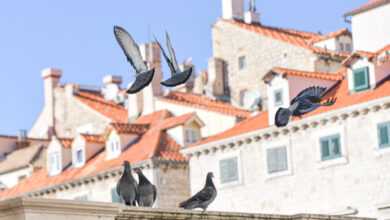
Dubrovnik has once again captured the attention of BBC Travel—but this time, the story moves beyond the medieval walls, crowded streets and familiar postcard views.
In an article published on 17 July 2026, under the headline “A New Way to See the World’s Most Overcrowded City,” BBC Travel explores the newly opened Camino Dubrovnik–Međugorje, presenting it as a route that allows visitors to discover the history, landscapes and local life surrounding one of Europe’s most popular destinations.
The seven-stage pilgrimage trail opened in March and stretches for 145 kilometres, beginning in front of the Church of St James in Dubrovnik and continuing northwest across the border into Bosnia and Herzegovina, where it ends at the Church of St James in Međugorje.
Following centuries-old paths once used by traders and pilgrims travelling between the southern Adriatic coast and the Herzegovinian hinterland, the route offers a perspective on Dubrovnik that many visitors never encounter.
Beyond the Old City Tourist Bubble
Around 61 kilometres of the Camino pass through Dubrovnik-Neretva County, while the entire journey takes approximately seven days.
The route leads through Dubrovnik, Mokošica, Orašac and Slano before continuing through Ravno and Hutovo towards Međugorje, drawing travellers away from the concentrated crowds of the historic centre and into rural communities and less familiar landscapes.
Speaking to BBC Travel, Dubrovnik Tourist Board Director Miroslav Drašković explained that pilgrims walk along historic infrastructure that includes medieval water systems, traditional rural paths, former railway routes and areas shaped by a continuous Christian pilgrimage tradition.
Dubrovnik Mayor Mato Franković said the idea for the Camino was developed three years ago as part of the city’s Respect the City programme and its wider focus on sustainable tourism.
“We also saw it as a great opportunity that tourists, local residents—all those that are going to walk—would see for the first time some areas that are completely hidden,” Franković told the BBC.
The feature contrasts the tranquillity of the trail with the pressure experienced inside the Old City, where cruise passengers, organised groups and day visitors often gather along the same routes during the busiest hours.
Local guide Ivan Vuković, who accompanied the BBC writer on the hike, recalled that between 4,000 and 5,000 people lived within the walls during the 1980s. Today, he estimated that the number has fallen to no more than 700.
From the Old Aqueduct to Mount Srđ
The BBC journey follows part of the Camino’s first stage, beginning at the Church of St James and climbing towards the Strinčjera plateau on Mount Srđ.
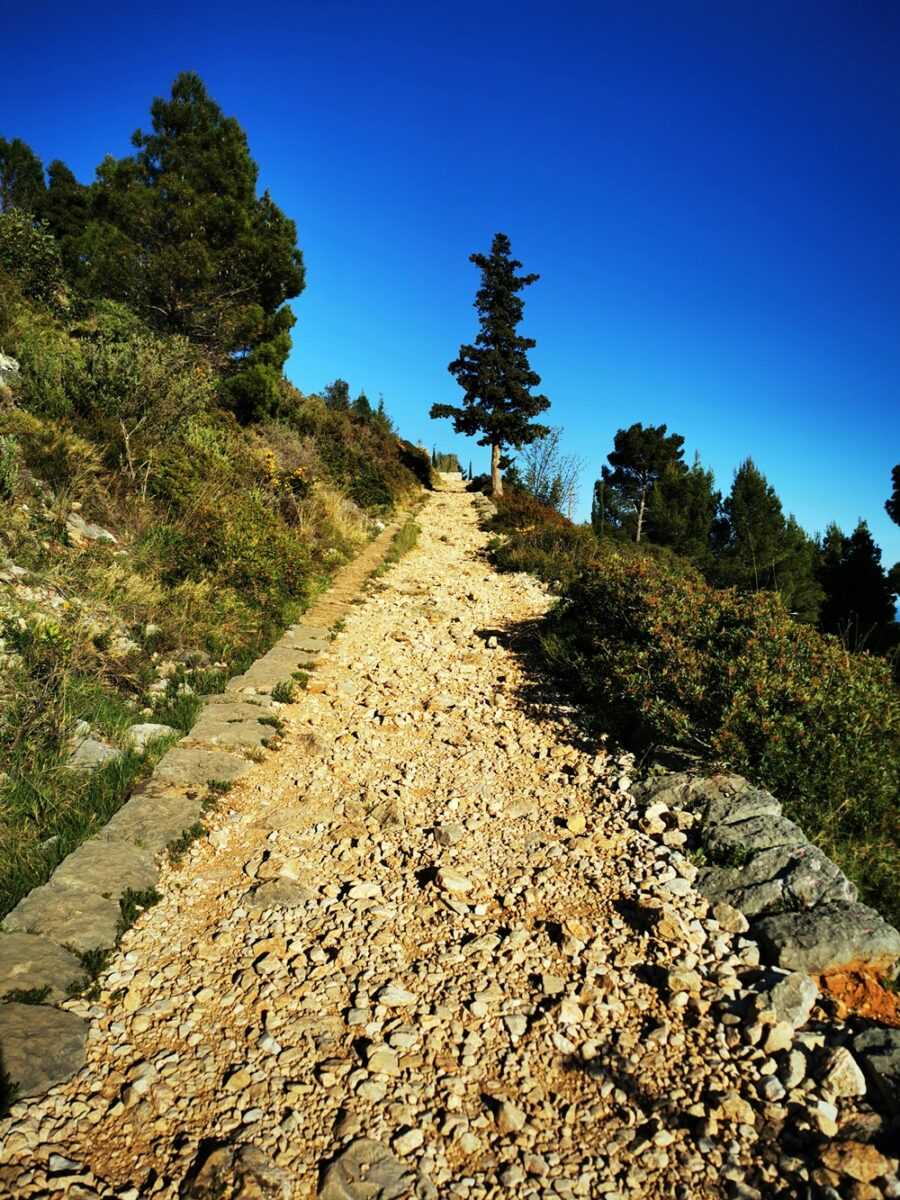
After leaving the Old City through Buža Gate, the route quickly becomes quieter, following steep stairways and paths above Dubrovnik.
One section traces the route of the city’s historic aqueduct, built in 1438 to carry fresh water over approximately 12 kilometres to the walled city.
While visitors know the Great Onofrio Fountain as one of Dubrovnik’s best-known landmarks, the BBC article highlights the remarkable infrastructure behind it—the gravity-fed system that brought water through the limestone landscape and played a vital role in the city’s development.
The trail then continues along the Križni put, or Way of the Cross, towards the 412-metre summit of Mount Srđ. Its fourteen bronze stations follow the historic switchbacks above Dubrovnik, routes once used for trade and military movement before becoming part of the city’s religious tradition.
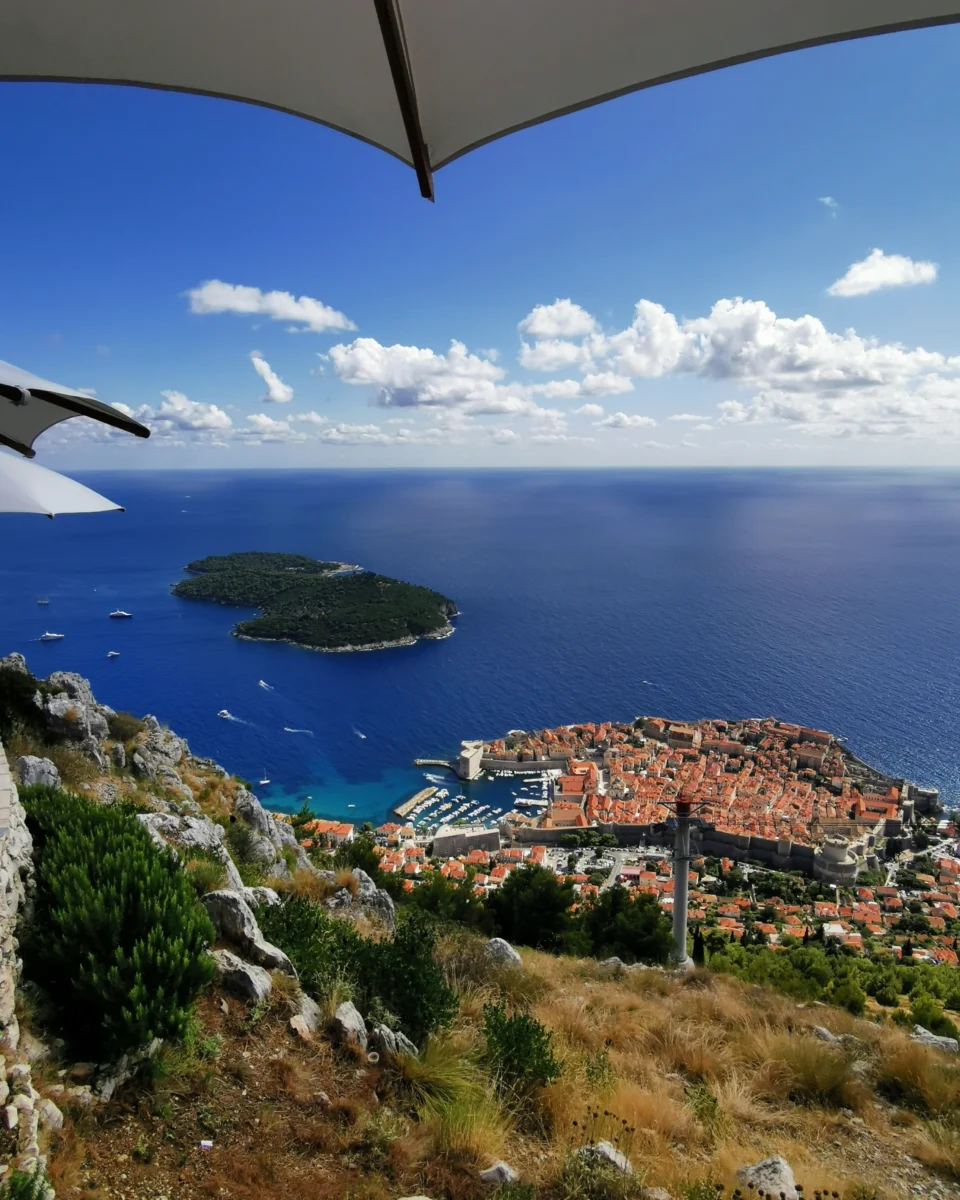
From the slopes, the Old City, Lokrum and the Adriatic gradually open into view.
A Walk Through Dubrovnik’s Layered History
The Camino also passes around Fort Imperial, built by the French army in 1812 and now home to the Homeland War Museum.
The BBC feature recalls the fort’s importance during the 1991 attack on Dubrovnik, when Mount Srđ became a key point in the defence of the city.
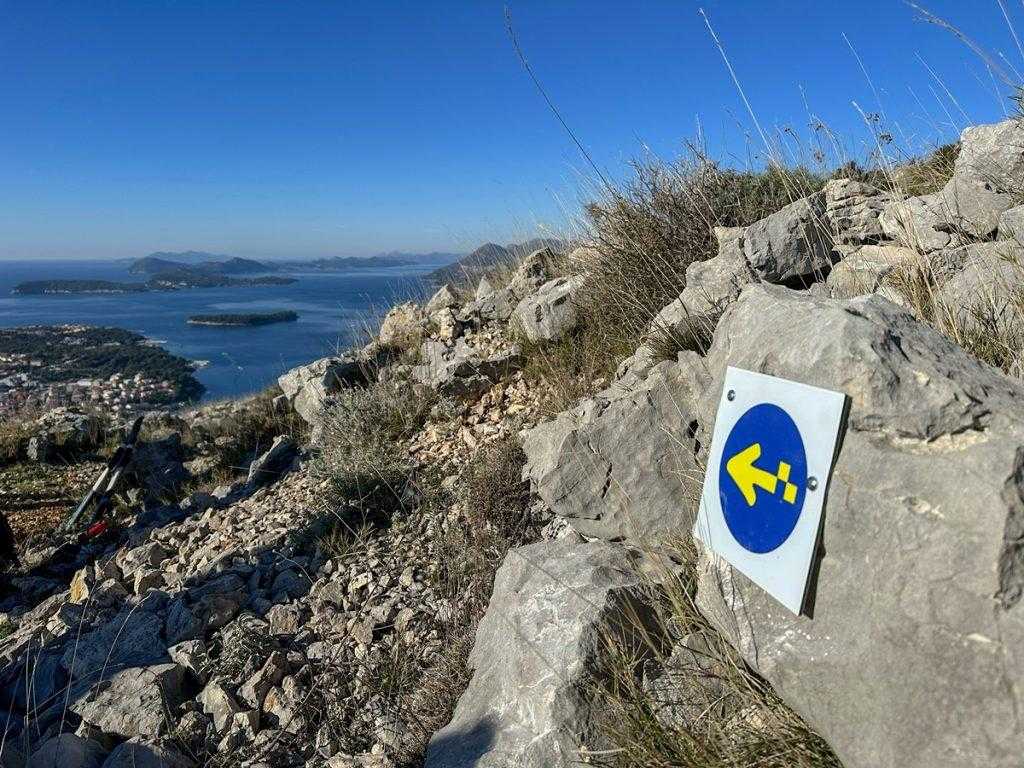
Continuing across the Strinčjera plateau, hikers are rewarded with views over Lapad, Daksa and the Elaphiti Islands—landscapes that can remain hidden from visitors who never venture beyond the historic centre.
Local guide Lidija Begić told the BBC that her favourite section follows the old aqueduct in Rijeka Dubrovačka.
“I am emotionally attached to everything that our ancestors achieved and left to us,” she said, adding that the views from the trail are particularly breathtaking at sunset.
Franković also singled out the section above Trsteno leading towards Slano, from where the view can extend across the Elaphiti Islands towards Mljet, Korčula and, in clear weather, Lastovo.
“You just would want to stay there,” he told the BBC.
A Slower Way to Experience Dubrovnik
Rather than presenting Dubrovnik only through the familiar narrative of crowds and overtourism, the BBC feature shows how the new Camino can offer both visitors and residents a deeper connection with the city’s surroundings.
The route brings together nature, pilgrimage, engineering, military history and local memory, revealing places that have long existed beyond the best-known tourist paths.
Dubrovnik guide Ivona Čović perhaps best captured the spirit of the journey:
“We live such fast-paced lives that sometimes we don’t even know where we’re going. Camino Dubrovnik is exactly what reminds us to slow down and reconnect with what truly matters.”
For BBC Travel, Europe’s newest Camino is more than an escape from Dubrovnik’s summer crowds. It is a new way of understanding the city, through the paths, landscapes and stories that begin where its famous walls end.