A Byzantine shipwreck discovered in the waters off the island of Mljet has been described as one of the most important underwater archaeological discoveries from the Byzantine period in the Mediterranean. Its exceptionally rare cargo includes gold belt fittings decorated with precious stones, imperial coins and a remarkable ring that may once have belonged to a high-ranking Byzantine official.
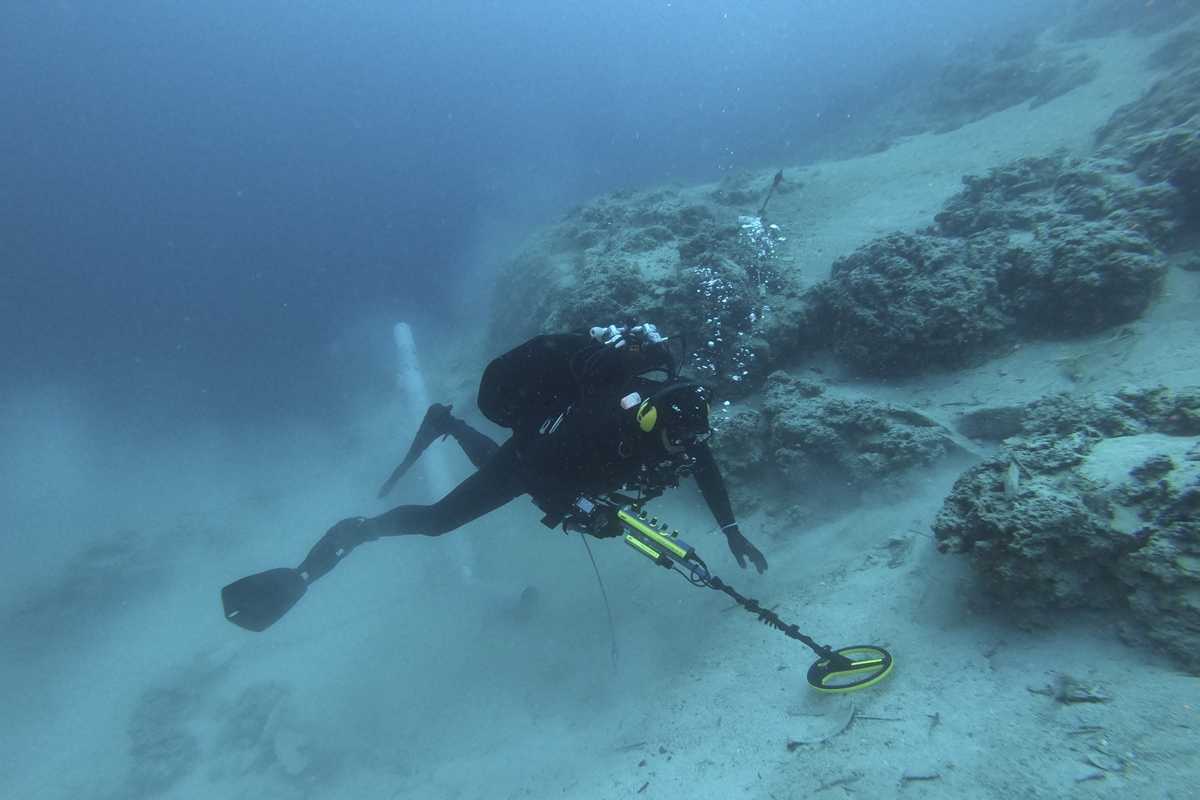
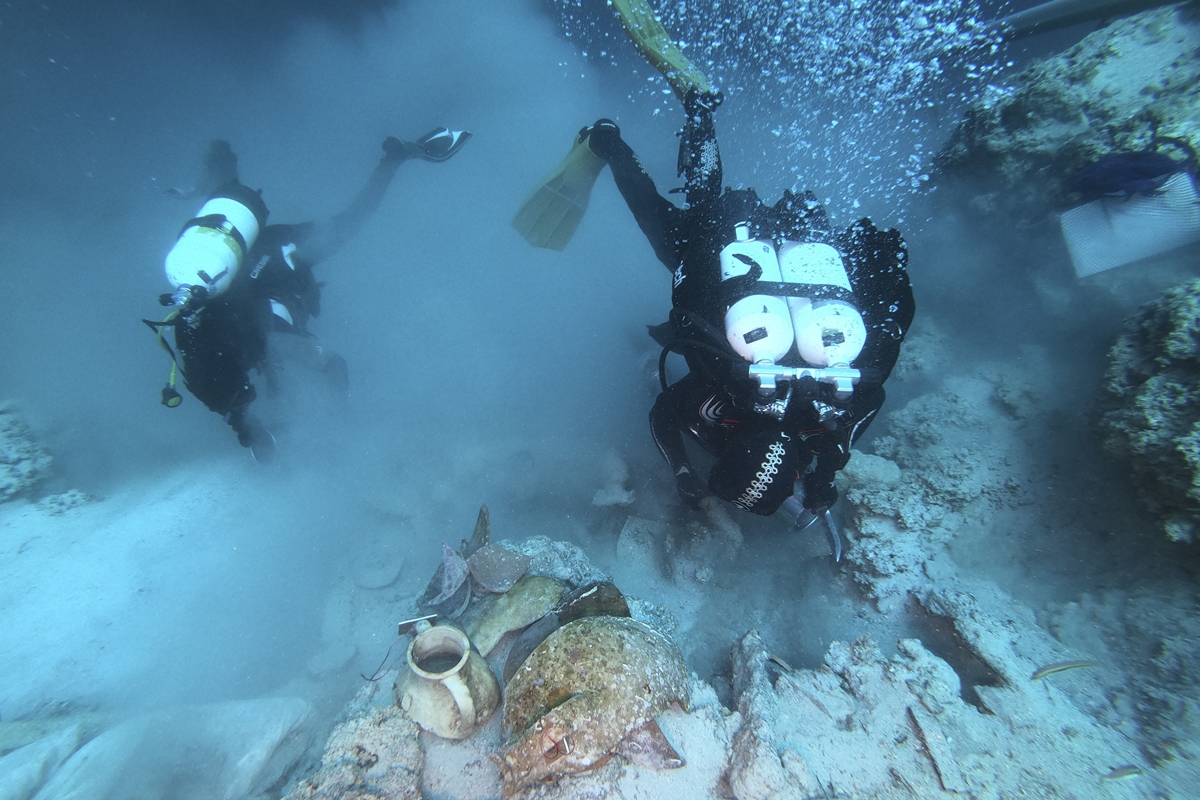
The Croatian Conservation Institute’s Department of Underwater Archaeology has been systematically exploring the waters around Mljet for the past 19 years, under the direction of underwater archaeologists Igor Miholjek, head of the archaeological research, and Pavle Dugonjić, head of the department.
During that period, researchers discovered 20 previously unknown shipwrecks, dating from the 2nd century BC to the 16th century.
Among them, one discovery stands apart: a Byzantine shipwreck dating from the 7th or 8th century, whose rich and exceptionally rare cargo offers a fascinating glimpse into the wealth, trade and political hierarchy of the Byzantine world.
Gold, Emeralds, Rubies and Imperial Coins
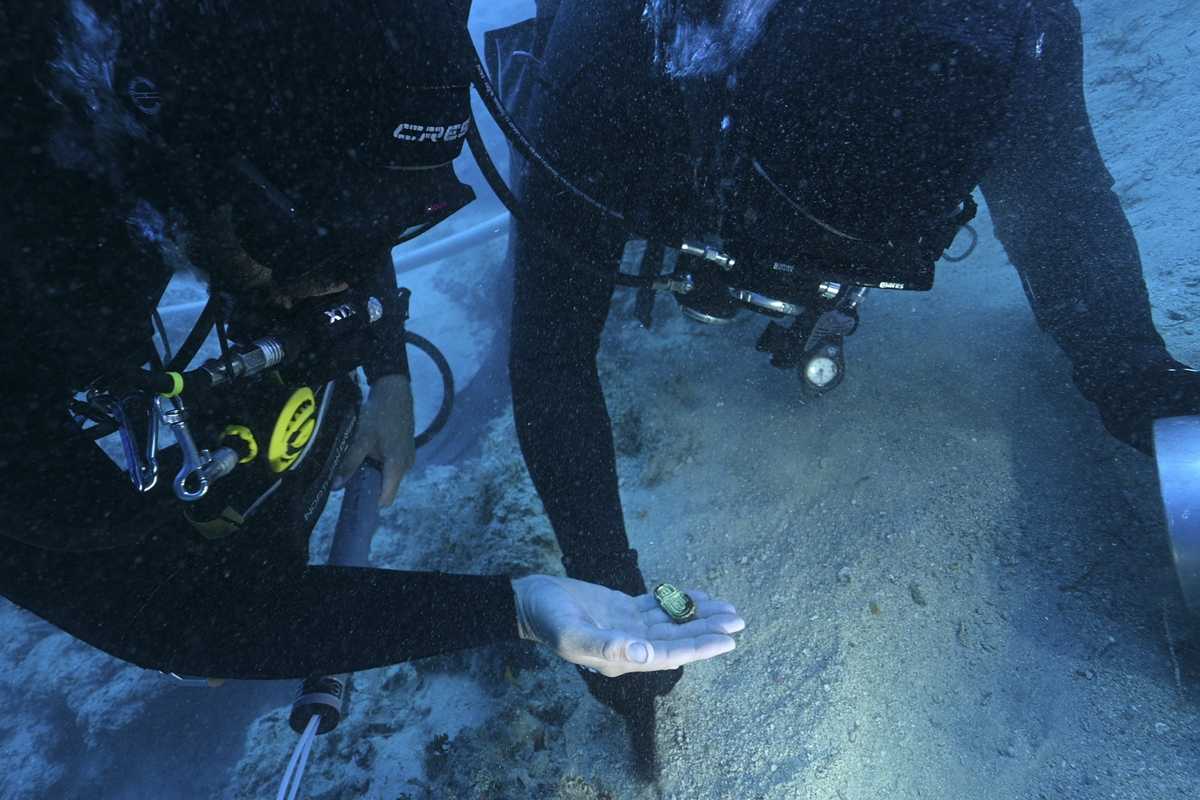
Archaeological research at the site began in 2015, and nine underwater research campaigns have since been carried out by the Croatian Conservation Institute.
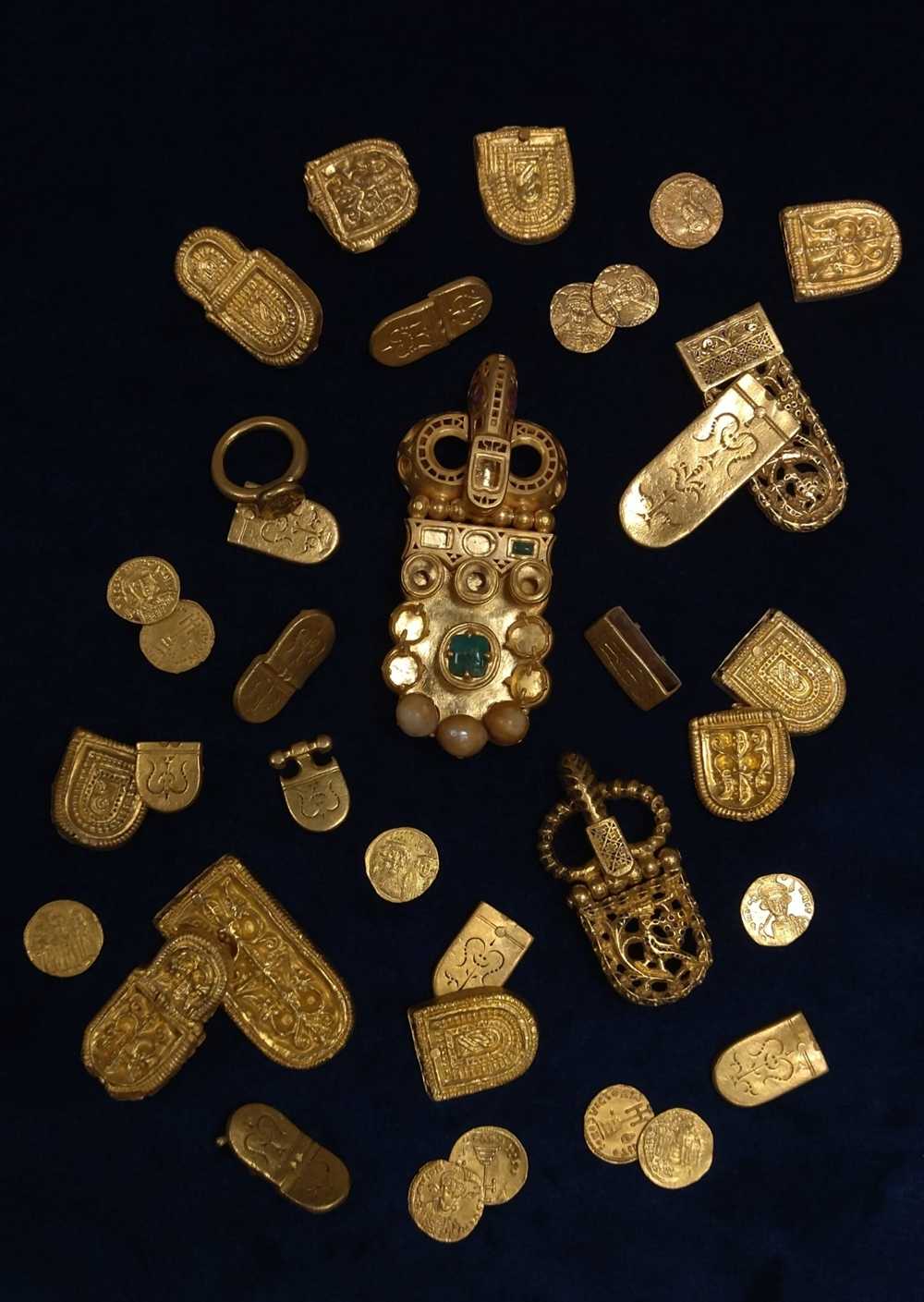
The most remarkable finds include four gold belt sets, gold buckles and decorative belt ends adorned with emeralds, rubies and pearls.
These luxurious objects once decorated the leather belts of senior Byzantine dignitaries. According to the Institute, comparable items have never previously been discovered at an underwater archaeological site in the Mediterranean.
Researchers also recovered gold coins depicting four emperors from the Heraclian dynasty, dating from the end of the 7th century. The coins are particularly important because they may help archaeologists establish more precisely when the ship sank.
One of the most intriguing discoveries is a gold ring bearing the image of an emperor from the Heraclian dynasty.
Such a ring could only have belonged to someone at the highest level of the Byzantine state or military administration—an individual authorised to seal imperial documents.
Researchers believe it may have been a diplomatic gift or the personal possession of a senior Byzantine official. Its presence suggests that at least one of the passengers was a person of considerable rank and also points to the exceptional importance of the ship’s remaining cargo.
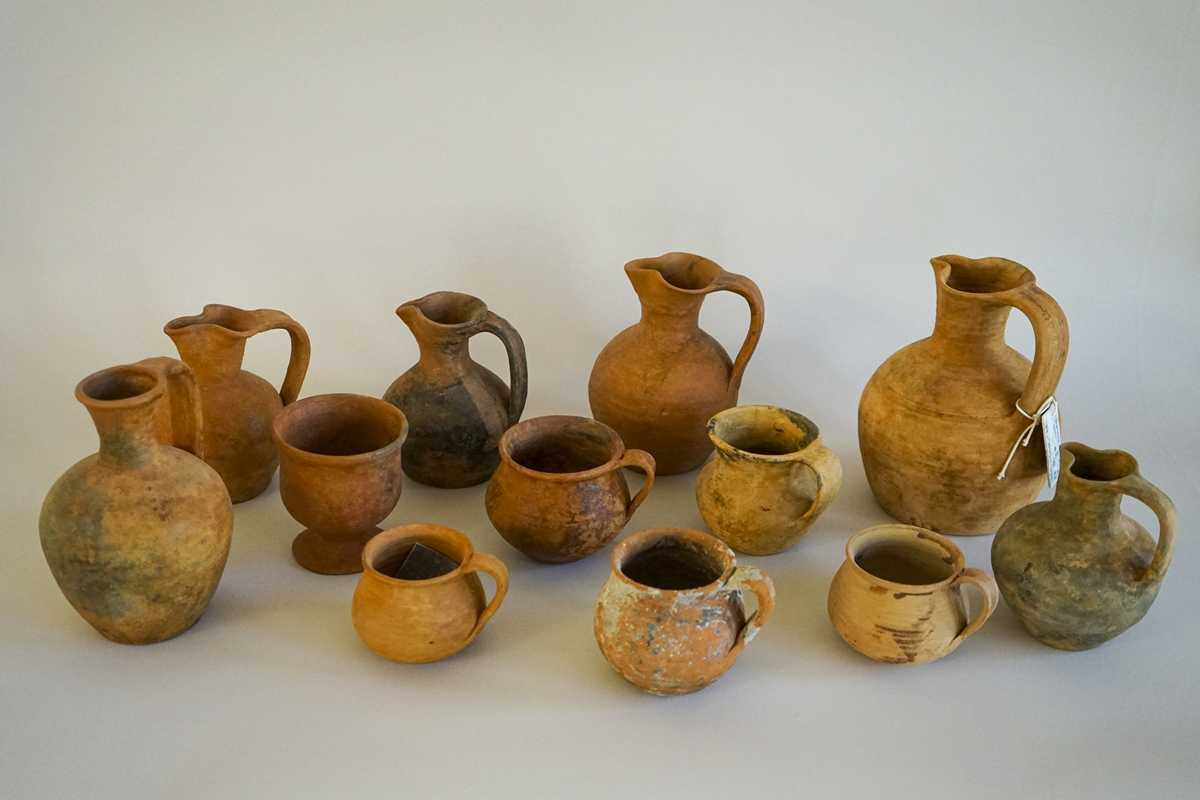
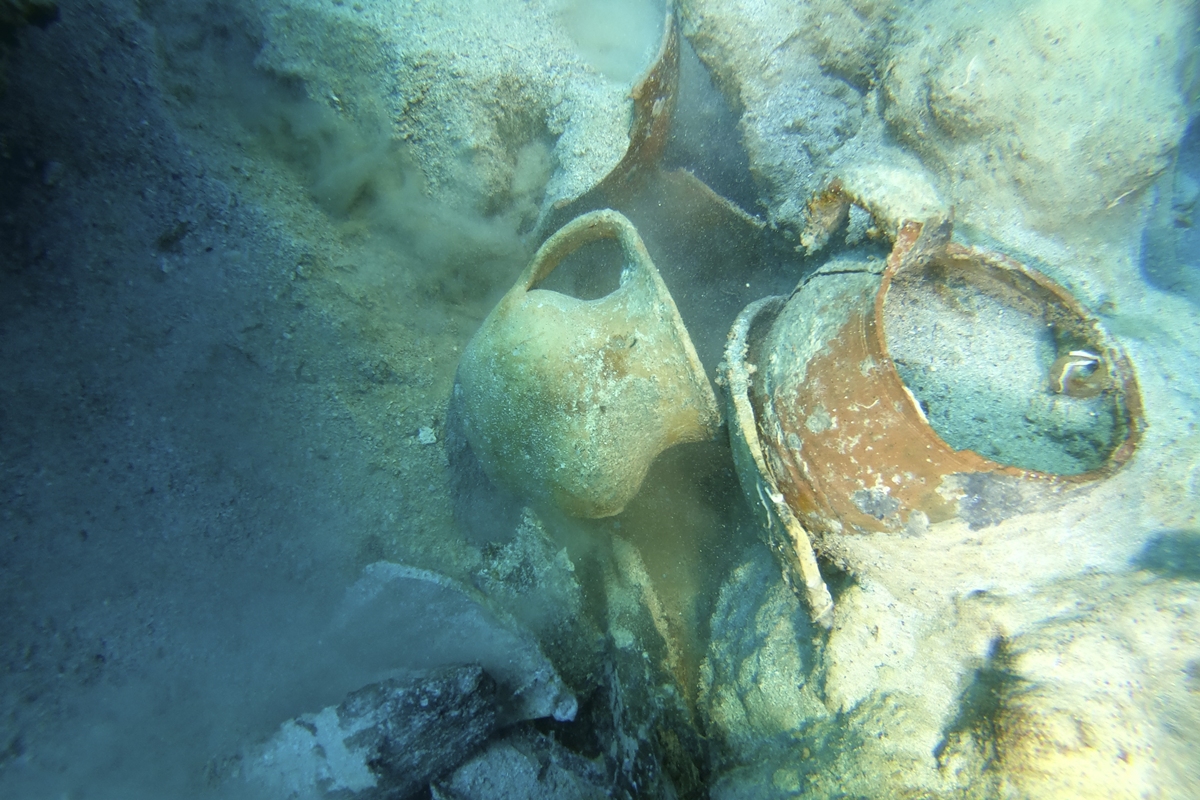
Alongside these luxury objects, archaeologists discovered evidence of a substantial commercial shipment, including amphorae, merchant scales, ivory tokens and ceramic vessels such as bowls, jugs and plates.
A Ship Seeking Shelter off Mljet
Mljet lies along one of the most important historic maritime routes connecting the eastern and western Mediterranean.
Researchers believe the ship may have sunk while attempting to find shelter in the Bay of Polače.
With its protected position and important Late Antique palace complex, Polače served for centuries as a safe harbour for ships seeking refuge during dangerous weather.
The ongoing research is supported by divers from the Intervention Police Command of Croatia’s Ministry of the Interior, Mario Orlandini and the Aquatica Mljet diving centre, which provides logistical assistance, as well as the company NavArchos, led by Dr Anton Divić.
This year’s campaign is being carried out in cooperation with a team of archaeologists from Stanford University, led by Professor Justin Leidwanger. The Stanford researchers are analysing the ship’s commercial cargo, with a particular focus on its amphorae and ceramic vessels.
Long-standing project partners also include Professor Falko Daim and Dr Levante Samu, who are examining the manufacturing techniques and decorative motifs of the gold belt fittings, while the numismatic finds are being analysed by Dr Željko Demo.
Nearly two decades of underwater research around Mljet have already revealed an extraordinary concentration of maritime heritage.
Yet the Byzantine shipwreck, with its imperial imagery, precious stones and objects linked to the highest levels of Byzantine society, represents something truly exceptional—a discovery that connects the quiet waters of Mljet with the political, commercial and diplomatic world of the early medieval Mediterranean.