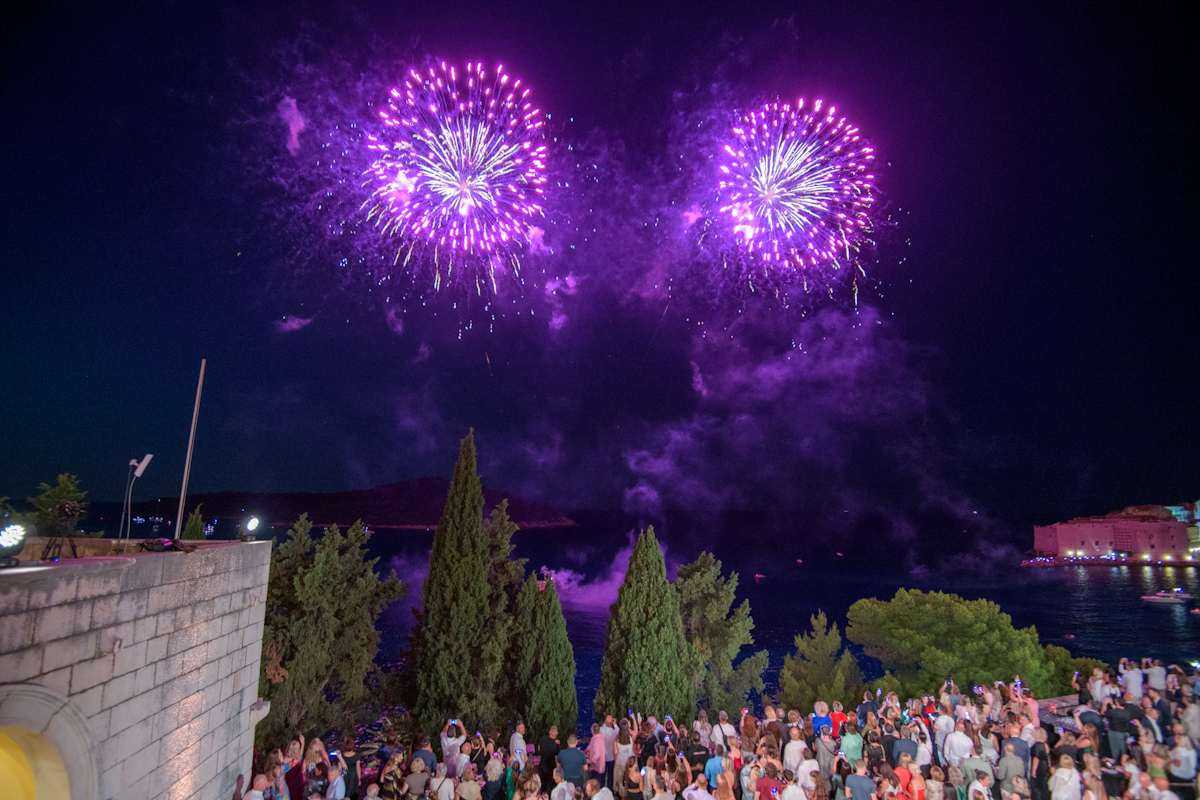
A city once again in festival mode
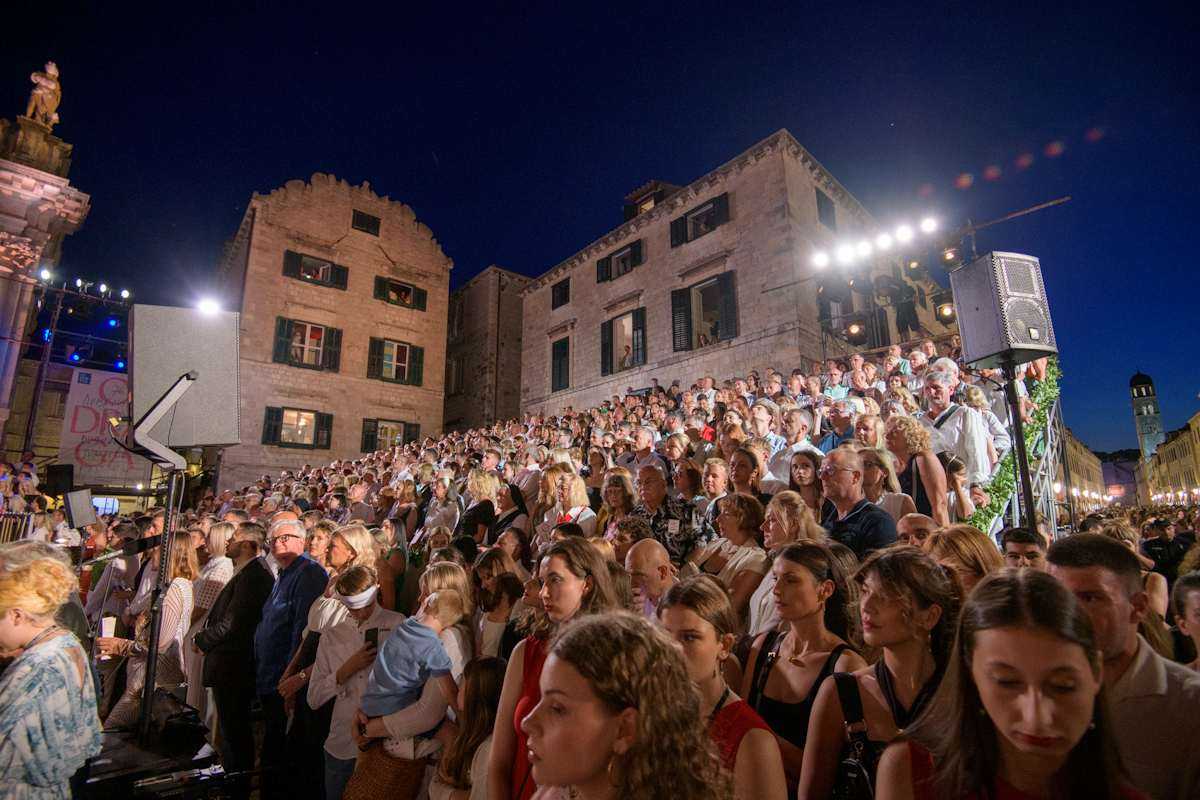
There are few moments in Dubrovnik’s calendar that feel as symbolic as the opening of the Summer Festival. With its ritual, music and historic setting, the opening night once again turned the area in front of St Blaise’s into a stage where the city’s identity and artistic tradition meet in their most recognisable form. According to the official festival announcement, this year’s opening ceremony was shaped by directors Krešimir Dolenčić and Paolo Tišljarić.
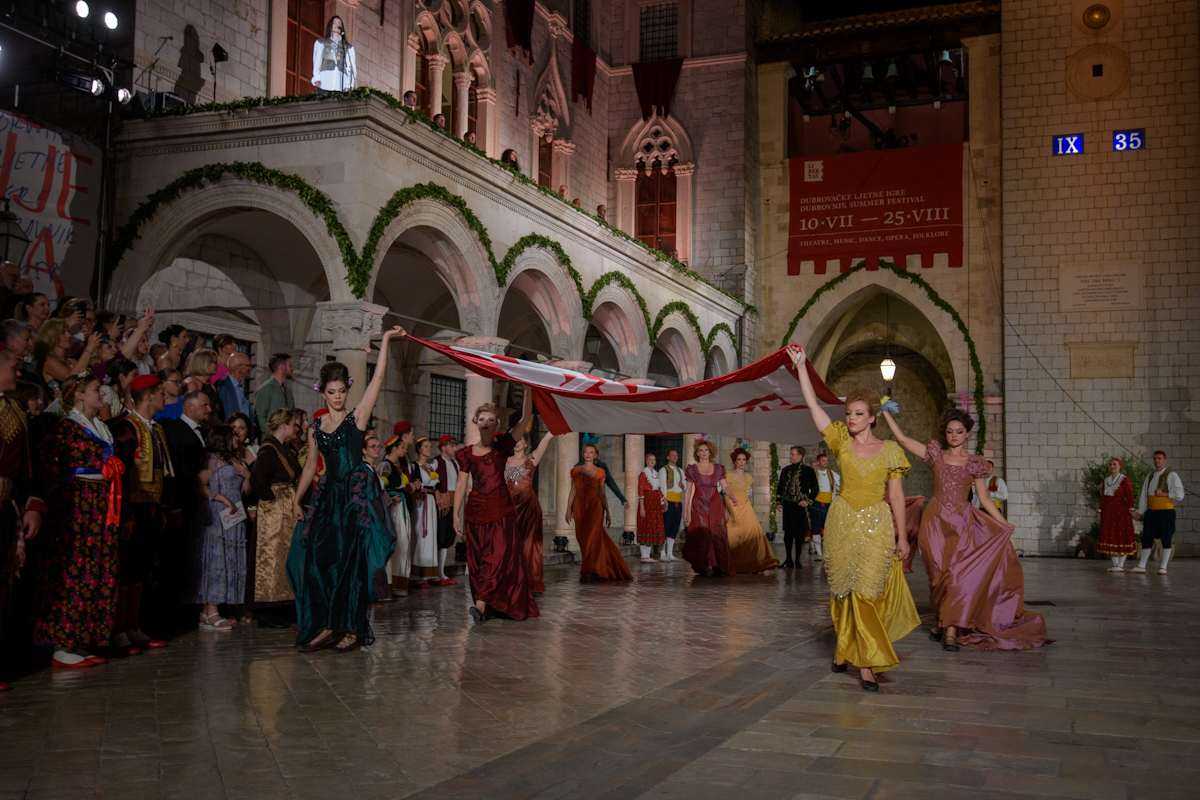
A festival shaped by women
The 76th edition of the festival is framed by the theme of women, with female figures, female perspectives and female artistic voices announced as a defining thread of this year’s programme. The wider festival season was earlier presented as a rich mix of drama, music and performance, bringing together prominent Croatian and international artists across a broad range of genres.
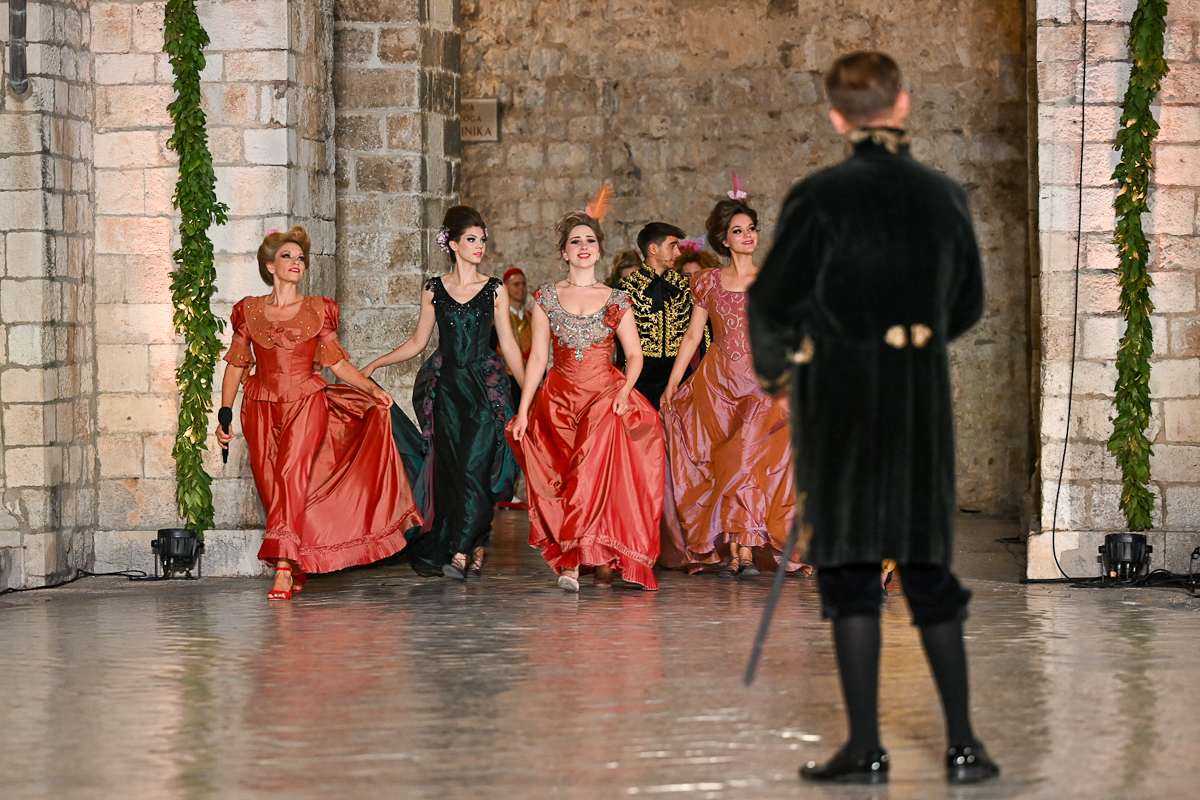
A summer of major international names
Among the highlights announced for this year’s festival are several major international performers. Georgian pianist Khatia Buniatishvili is set to give her first performance in Croatia at the Dubrovnik Summer Festival on 22 July in the Rector’s Palace Atrium, while soprano Sonya Yoncheva will return to Dubrovnik for a recital on 31 July, accompanied by pianist Malcolm Martineau. Also on the programme are The Philharmonix, the ensemble made up of members of the Vienna and Berlin Philharmonics, scheduled to perform on 20 August, while the festival will close with its traditional Opera Gala on 25 August.
More than an opening night
What last night’s ceremony signalled was more than the start of another festival schedule. In Dubrovnik, the Summer Festival still marks a broader seasonal shift, when squares, fortresses, palaces and streets once again become part of the city’s live cultural landscape. That is why the opening always feels larger than protocol alone: it is the moment when Dubrovnik steps fully into its long-established summer role as a city of performance, atmosphere and art. This final observation is an editorial interpretation grounded in the festival’s scale, duration and role in the city’s cultural calendar.