
A new traffic regime begins on 2 June
From 2 June 2025, Dubrovnik will introduce a special traffic regulation zone around its historic centre, marking a major change in how vehicles move through the area surrounding the Old Town. The City of Dubrovnik says the measure is intended to reduce congestion and tackle long-standing traffic overload around the city’s most sensitive central area.
What the zone actually covers
The zone applies to the protected historic ensemble and buffer area around Dubrovnik’s Old Town, with the narrower central area defined as parts of Grad, Pile–Kono and Ploče iza Grada. The official decision also lists key roads and access corridors such as Zagrebačka ulica, Ulica kralja Petra Krešimira IV, Frana Supila, Ulica Iza Grada, Ulica branitelja Dubrovnika, Brsalje and Put od Republike, along with related streets in the surrounding area. The City’s public guidance describes the practical scope more simply as the wider area around the Old Town, from Ilijina glavica through Zagrebačka to Viktorija, and from Pile to Boninovo.
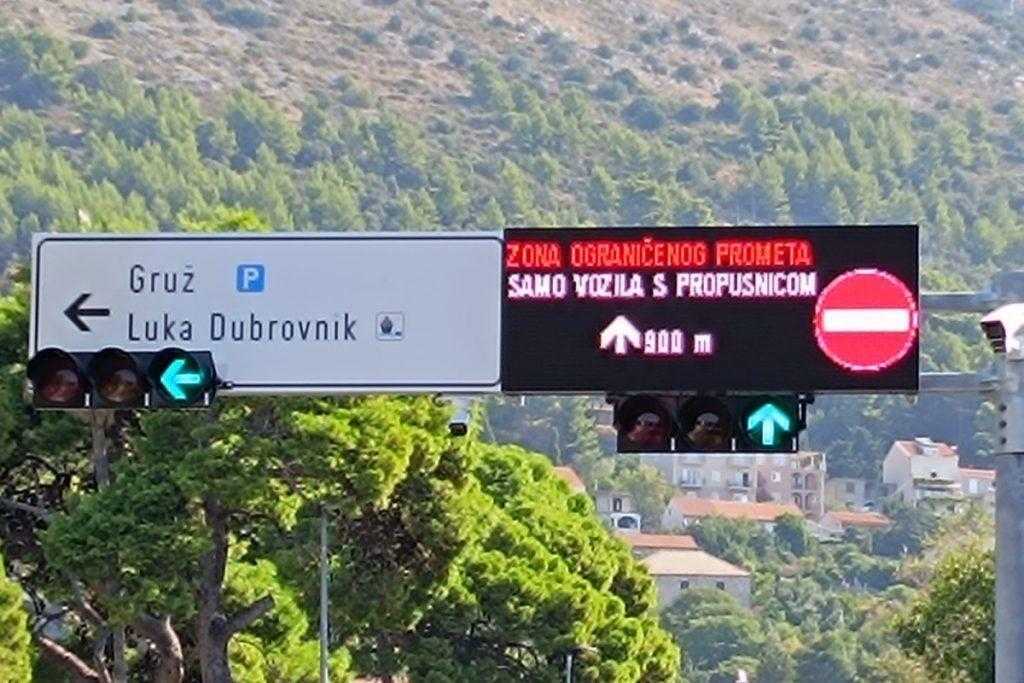
Regulated access, not business as usual
For visitors, the main point is straightforward: traffic around the Old Town will no longer function as before. Access through the zone is based on a controlled system, with passage granted through regulated vehicle status, PPK parking card status, or specific permits issued by the City through its online system. The City also states that residents of neighbouring municipalities such as Konavle, Župa dubrovačka and Dubrovačko primorje may obtain access either through a PPK purchase or through the “other” permit category.
The first season has its own timetable
Although the broader decision says the traffic system normally applies from 1 March to 30 November, a later amendment specifies that in 2025 the system will be applied from 2 June to 30 November due to extraordinary circumstances. That makes this year’s rollout a defined first season rather than the full standard timetable.
What this means for residents and visitors
The City has framed the new regime as a long-term mobility measure rather than a temporary inconvenience. For residents, the official message ahead of the launch was that there was no reason for concern and that citizens would continue to have access through the available categories. For visitors, the practical takeaway is that driving close to the Old Town will require more awareness, more planning and, in many cases, a different approach than before. This final point is an editorial inference based on the permit-based regime and the listed extent of the zone. (Grad Dubrovnik)
The first emphasis is on adjustment, not punishment
Just before the launch, the City also stressed that the initial emphasis would be on helping people adapt, not on punishing them. In its 27 May update, Dubrovnik said citizens should not fear sanctions, that they have the right of access, and that staff in the zone management centre would focus on guidance, clarification and support. The same notice states that the centre operates seven days a week in two shifts and provides both a phone number and email for assistance.
A major change in how Dubrovnik moves
This special traffic zone is one of the clearest signs yet that Dubrovnik is trying to manage movement around the Old Town in a more controlled and sustainable way. The City has presented it as a structural response to congestion rather than a short-term traffic experiment. For anyone planning to be in Dubrovnik this summer, the key thing to know is simple: from 2 June, driving around the Old Town will no longer be business as usual.