A new book opens a wider cultural conversation
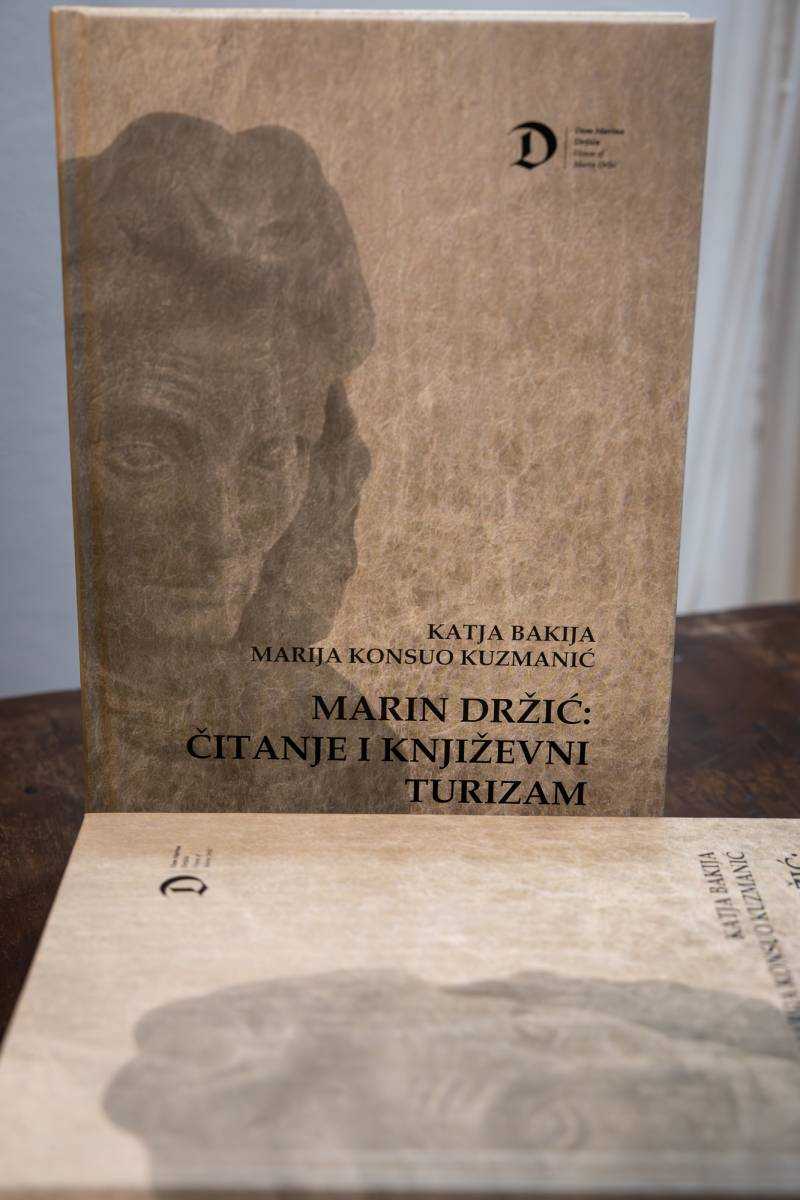
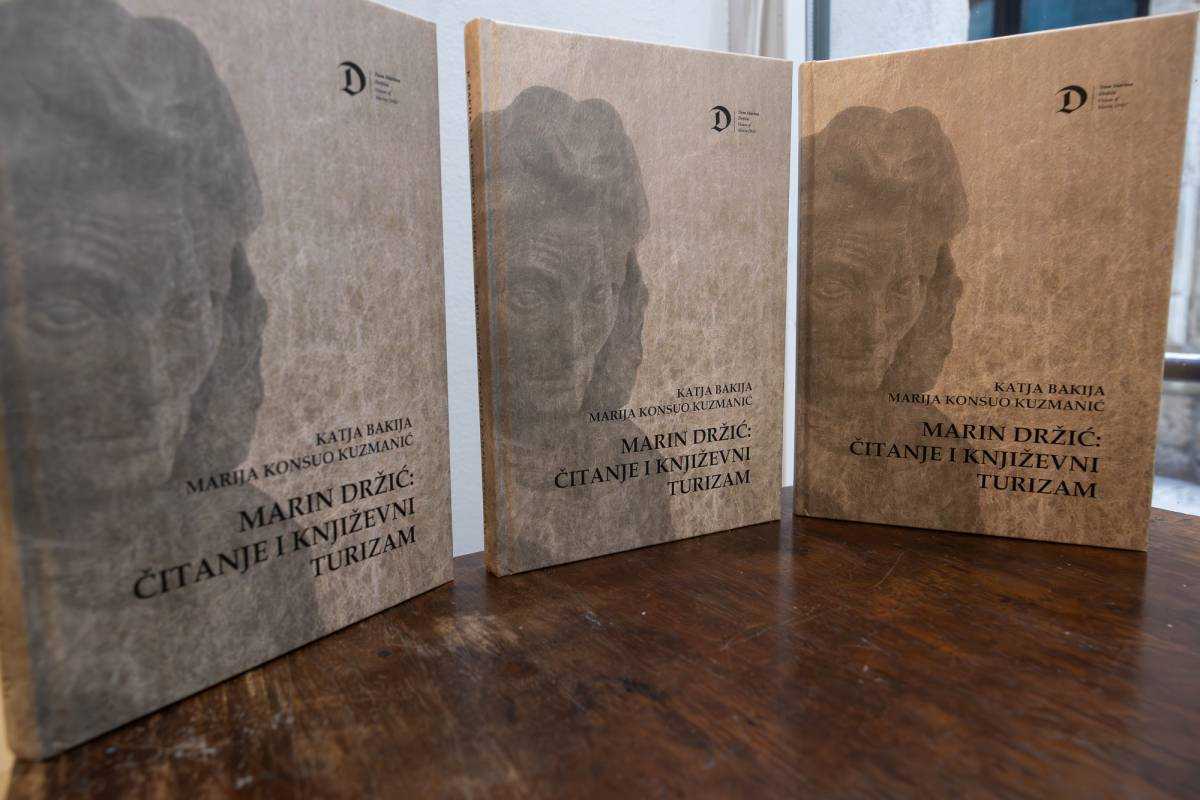
A newly published book from the House of Marin Držić suggests a different way of thinking about Dubrovnik — not only as a city of monuments and views, but also as a place that can be understood through literature. According to Dulist, the book has been published in English under the title Marin Držić: Reading and Literary Tourism, while it also has its Croatian edition. Written by Katja Bakija and Marija Konsuo Kuzmanić, it is the second edition in the scholarly series Držićijana.
More than a book about one writer
What makes the publication especially interesting is that it does not treat Marin Držić only as a subject of academic study. Instead, it looks at his work in the context of literary tourism, asking how Dubrovnik’s literary heritage might become part of a more authentic cultural experience of the city. Dulist reports that the book opens new perspectives on reading Držić’s rich body of work through the lens of literary tourism and also emphasises the importance of promoting reading.
A cultural figure who still belongs to the city
That idea matters because Držić has always been more than a historical name in Dubrovnik. He remains one of the city’s most important literary figures, and the new book appears to argue that his legacy can still be actively interpreted today — not only in classrooms and theatre studies, but through the way visitors encounter the city itself. Dulist notes that the first chapter presents Držić’s legacy as the basis for an authentic cultural-historical experience, while also opening possibilities for its contemporary interpretation in the context of sustainable tourism and cultural policy.
The book is also rooted in real educational work
The project is not presented as theory alone. Dulist explains that the book also grows out of a four-year collaboration between the authors and the House of Marin Držić through activities carried out in Dubrovnik’s primary and secondary schools. One chapter focuses on the project “Čitajmo Držića”, conducted in the upper grades of all Dubrovnik primary schools and in the lower grades of Gimnazija Dubrovnik, with the aim of introducing young people to Držić’s work and developing new reading audiences.
Reading, tourism and translation come together
The structure of the book reflects that wider ambition. Dulist states that it consists of a prologue and three chapters: one on Marin Držić and literary tourism, one on the school project “Čitajmo Držića”, and one on translating Držić as a linguistic and cultural challenge. The article notes that the third chapter presents translation not merely as a tool of language, but as an instrument of cultural diplomacy, intercultural dialogue and the global visibility of smaller literary traditions.
Why this matters for Dubrovnik
For Dubrovnik, that is a meaningful direction. The city is already world-famous for its architecture and setting, but books like this point toward another layer of identity, one in which literature can help shape how Dubrovnik is understood and experienced. Dulist quotes reviewer Martina Kolar Billege as saying that the book is valuable not only for scholars, but also for cultural policymakers and tourism professionals, while reviewer Irvin Lukežić describes it as a pioneering attempt to position Dubrovnik as a future centre of literary tourism inspired by the life and work of Marin Držić.

An English edition gives the story a wider reach
The fact that the book has been published in English is especially important in a city like Dubrovnik. It means that the conversation around Držić, reading and literary tourism is not limited only to local or Croatian audiences, but can also reach visitors, researchers and cultural readers from abroad. In that sense, the English edition helps place Dubrovnik’s literary heritage into a wider international context. This is an inference, but it follows naturally from the significance of publishing such a book in English in a city with a strong international profile.
A quieter but important side of the city
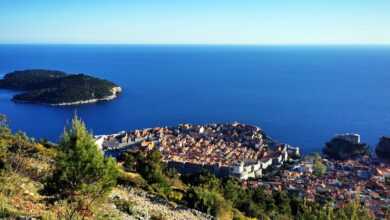
This is what makes the book especially relevant beyond academic circles. It points to a Dubrovnik that is not only seen, but also read — a city whose cultural life can be approached through drama, language, translation and literary memory. That side of Dubrovnik is easy to miss if attention remains fixed only on the walls and the postcard view, which is precisely why a project like this feels important. It suggests that some of the city’s most interesting stories are still written, not only built.