One of the city’s strongest symbols is back in view
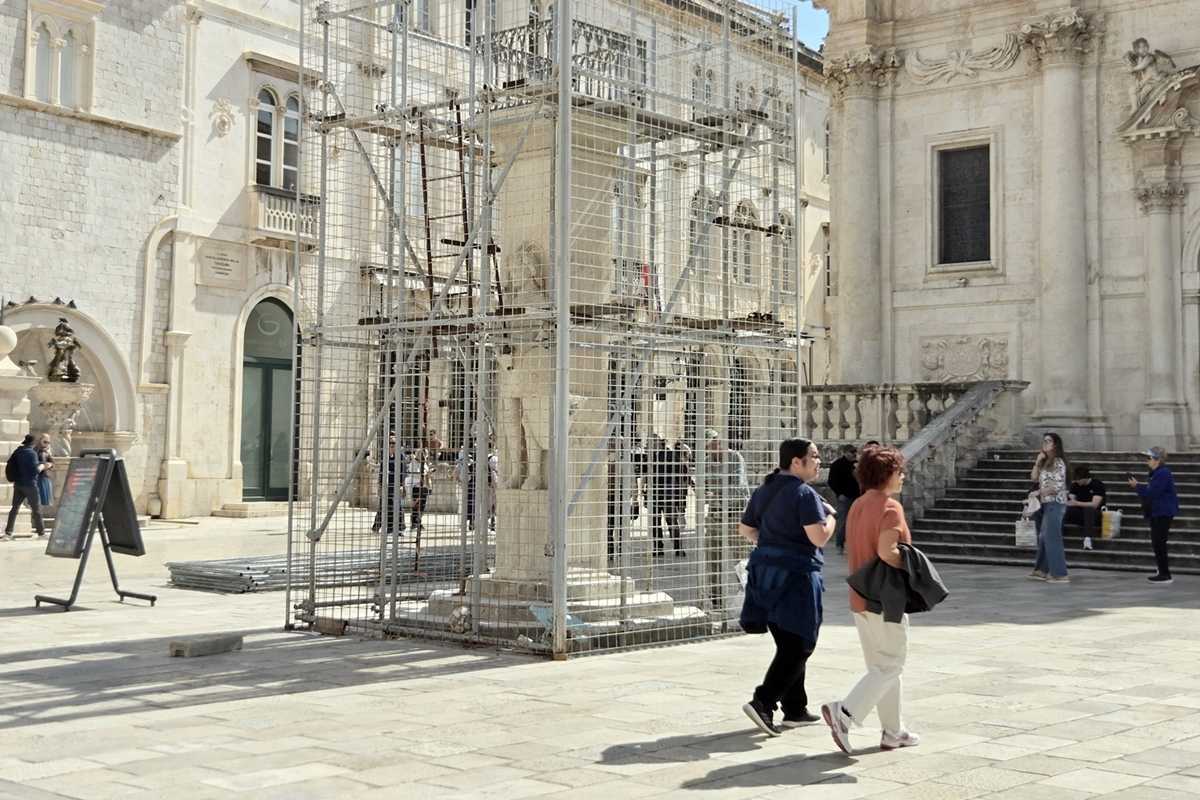
After being hidden behind protective coverings for nearly a year, Orlando’s Column can once again be seen in Dubrovnik’s main square. The cladding was removed in late March as restoration work entered its final phase, bringing one of the city’s most important symbols back into public view.
In a city so strongly shaped by familiar images, Orlando is far more than just another monument. He belongs to Dubrovnik’s visual identity in a deeper way, as a symbol of freedom, civic memory and continuity. This is an editorial reading grounded in the column’s long-documented public significance.
A familiar figure returns to the square
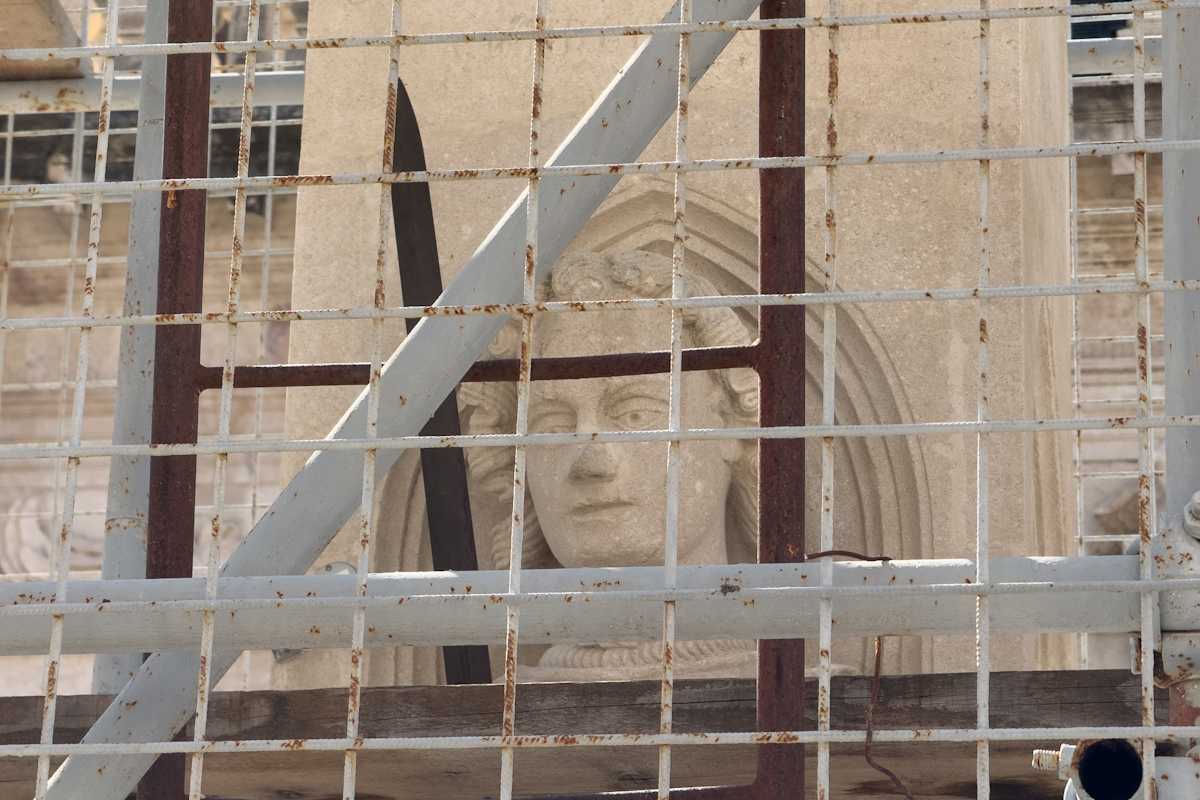
For months, many people crossing Luža could only imagine the monument behind the structure surrounding it. Now Orlando is visible again in the heart of the Old Town, even though some finishing work and technical measures are still continuing. The City of Dubrovnik announced on 25 March 2026 that the conservation and restoration works had entered their final phase.
The current phase still includes inspection and possible final corrections after the reconstructed areas fully dry, while a new monitoring system with sensors is being developed to track the state of the column. A new protective barrier is also planned, and the remaining scaffolding is expected to be removed by the beginning of July 2026.
More than a monument
Even this partial return has already changed the atmosphere of the square.
Orlando has always been one of those Dubrovnik landmarks people do not only look at, but instinctively orient themselves around. He is part of the visual grammar of the city, part of the way Dubrovnik reads at a glance. When he disappears behind coverings and scaffolding, something central feels missing. When he returns, even partially, the square immediately feels more complete. This is an editorial inference based on Orlando’s public symbolic role and the restoration timeline.
A return that feels larger than it looks
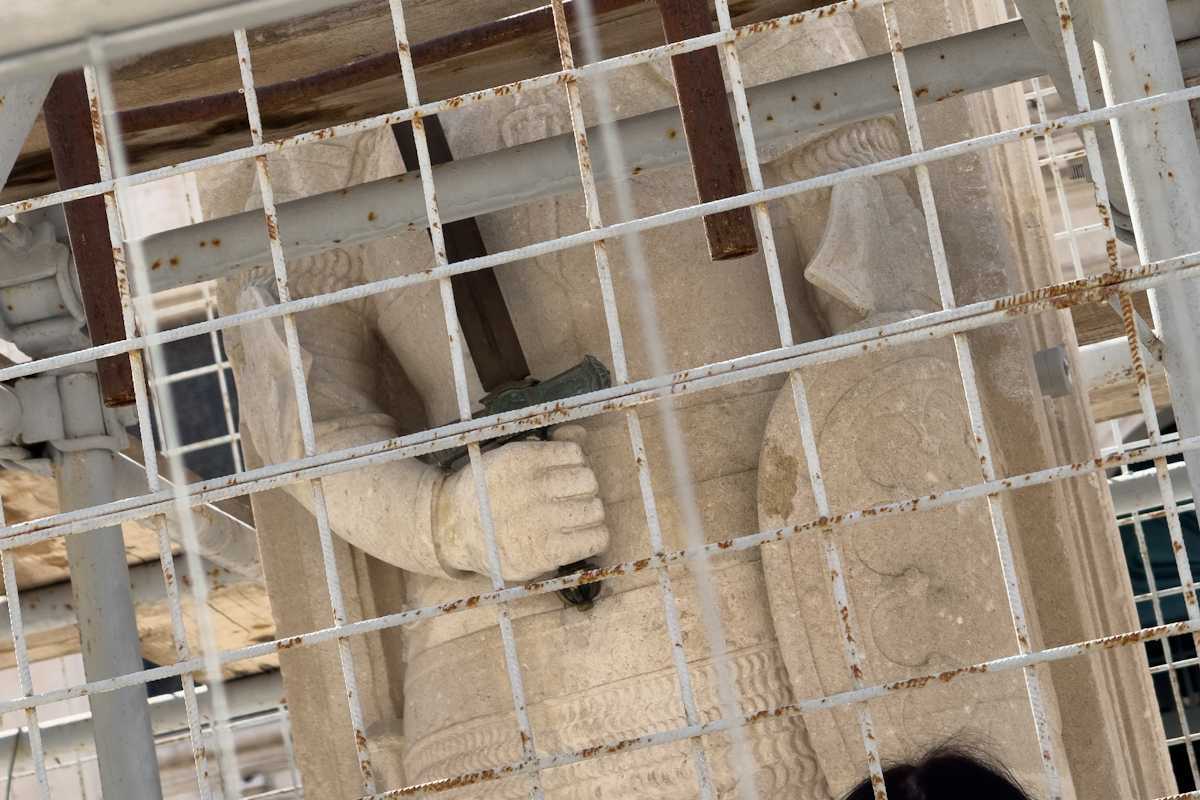
Orlando’s Column is the oldest surviving public sculpture in Dubrovnik, and its conservation history stretches back centuries. A recent scholarly chronology of the monument’s restoration notes repairs dating back to 1825, while official restoration reporting places the current major conservation campaign in the period from 2018 to the present.
That is why seeing Orlando again feels larger than a simple restoration update. It means seeing one of Dubrovnik’s most recognisable civic symbols return to the square and with it, a small but unmistakable sense that the city’s image has become more whole again. This final sentence is an editorial reading supported by the monument’s documented historical and symbolic importance.