A museum that shows a side of history visitors do not always expect
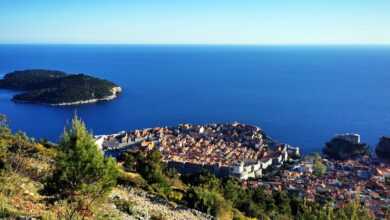
Dubrovnik is most often introduced through the Republic, the walls and the beauty of the Old Town. But the city also has places that tell newer, more layered and sometimes less expected stories. One of the most distinctive among them is the Red History Museum, a museum dedicated to everyday life, society and memory in the socialist period of former Yugoslavia. Its official website presents it not only as a museum space, but as a place of exhibitions, projects and public programmes.
That makes it one of Dubrovnik’s more unusual cultural stops, a museum that does not look back to medieval or early modern history, but to the 20th century and the lived experience of a very different political and social world.
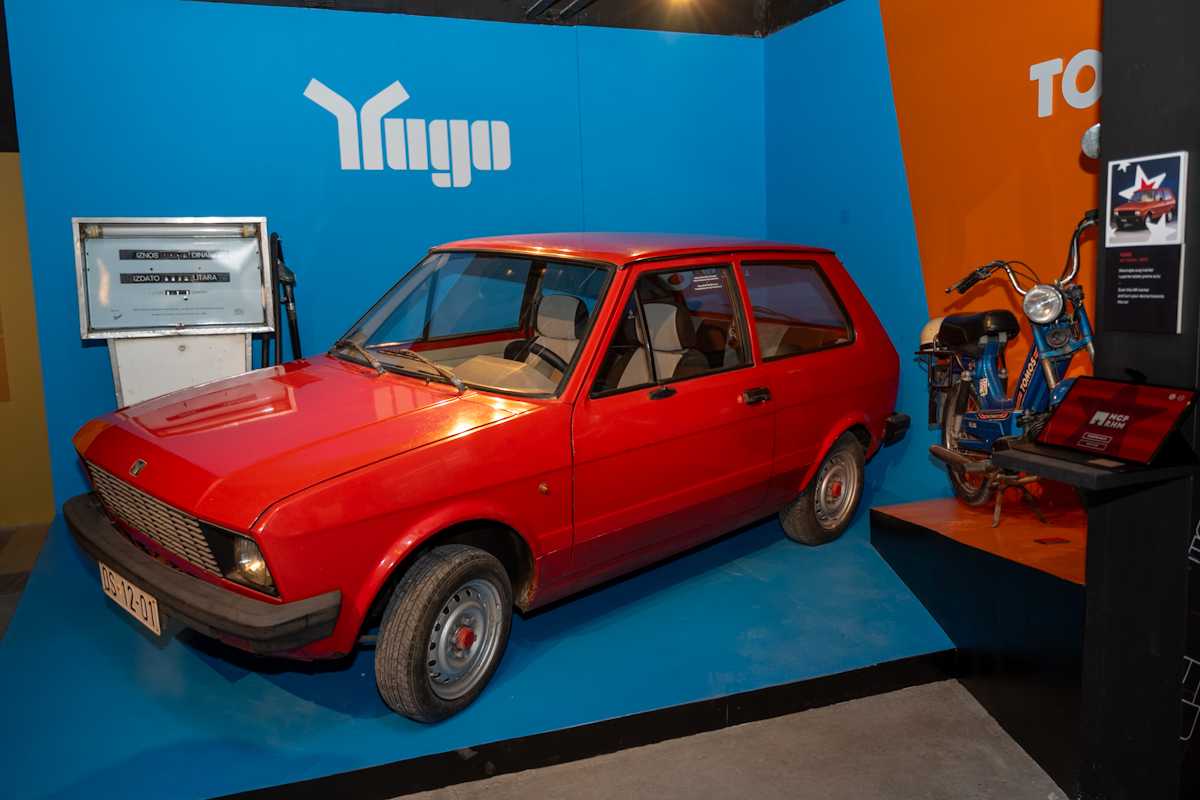
Founded in 2018 in the former TUP factory
According to the museum’s official presentation, the Red History Museum was founded in 2018 and is located in the former TUP graphite products factory in Gruž. The same source notes that since 2022 it has been officially registered in the Register of Museums of the Republic of Croatia, making it one of the rarer private museums in Croatia.
That setting is part of the story too. A museum focused on socialism, labour, design and everyday life is placed inside a former industrial complex, which gives the whole experience an added layer of context.

More than politics, it is also a museum of everyday life
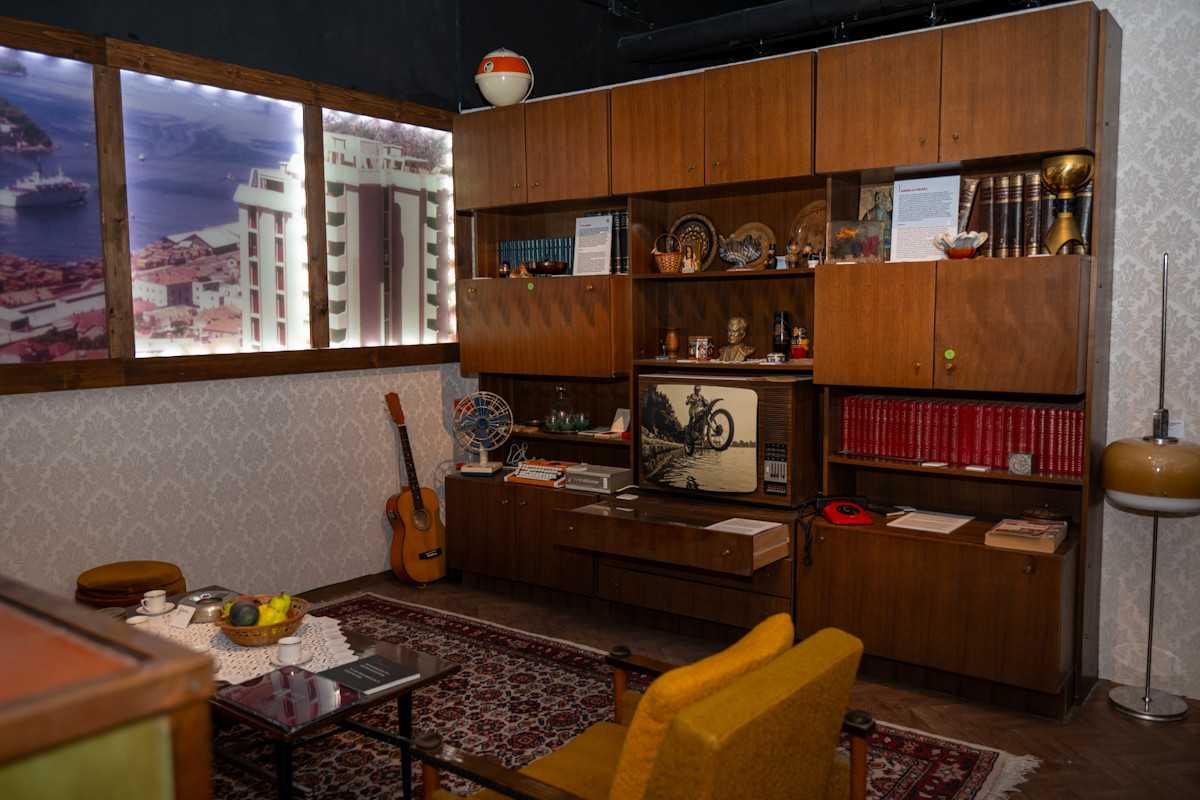
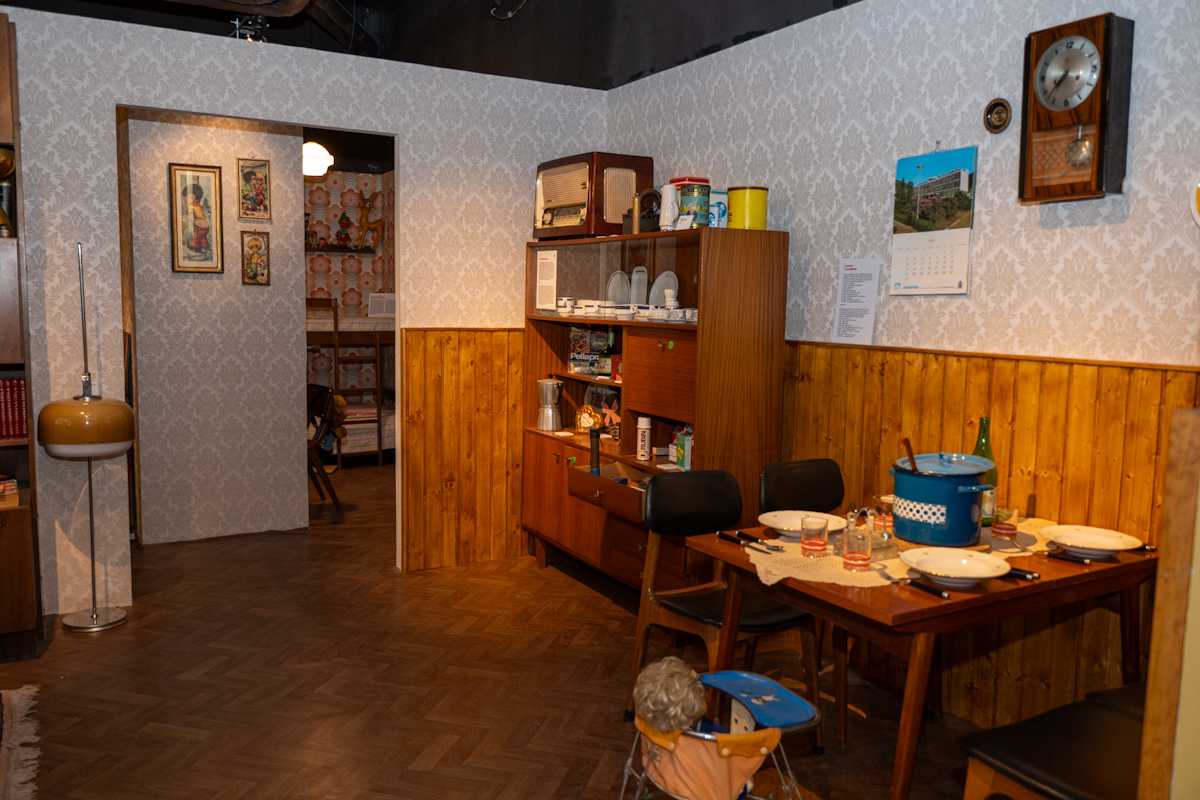
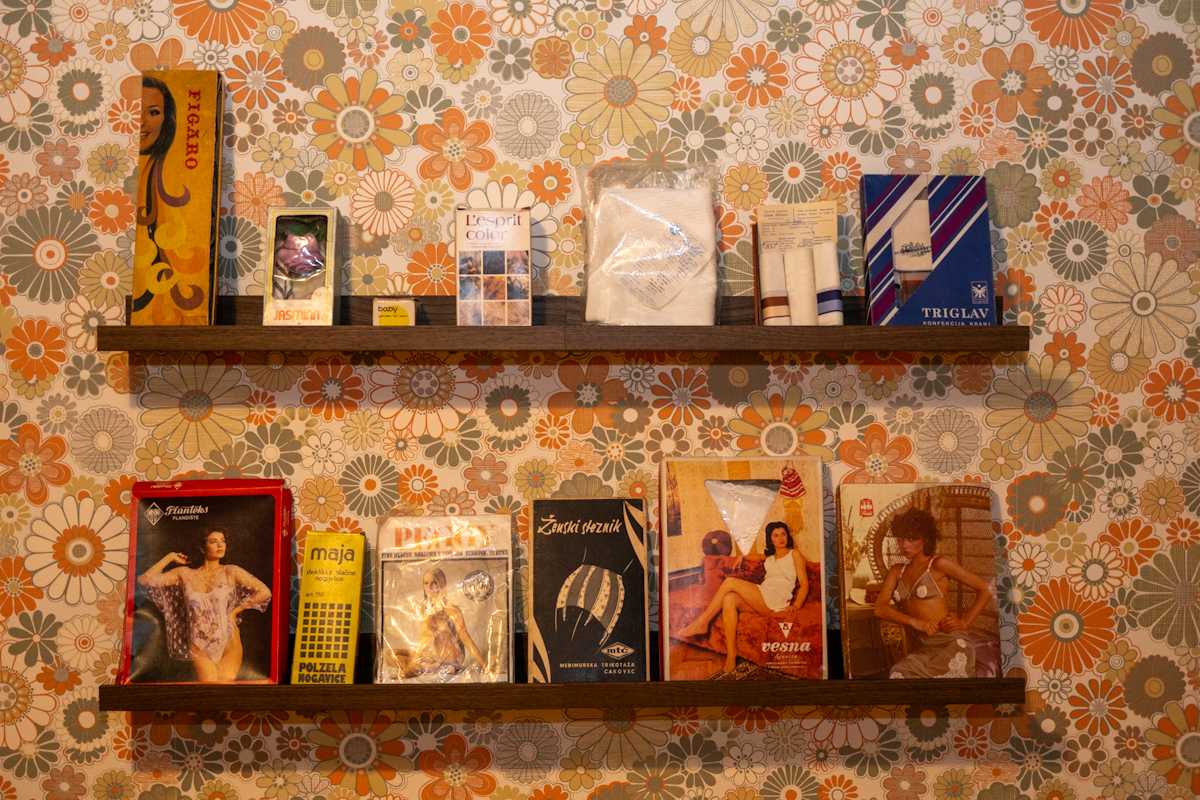
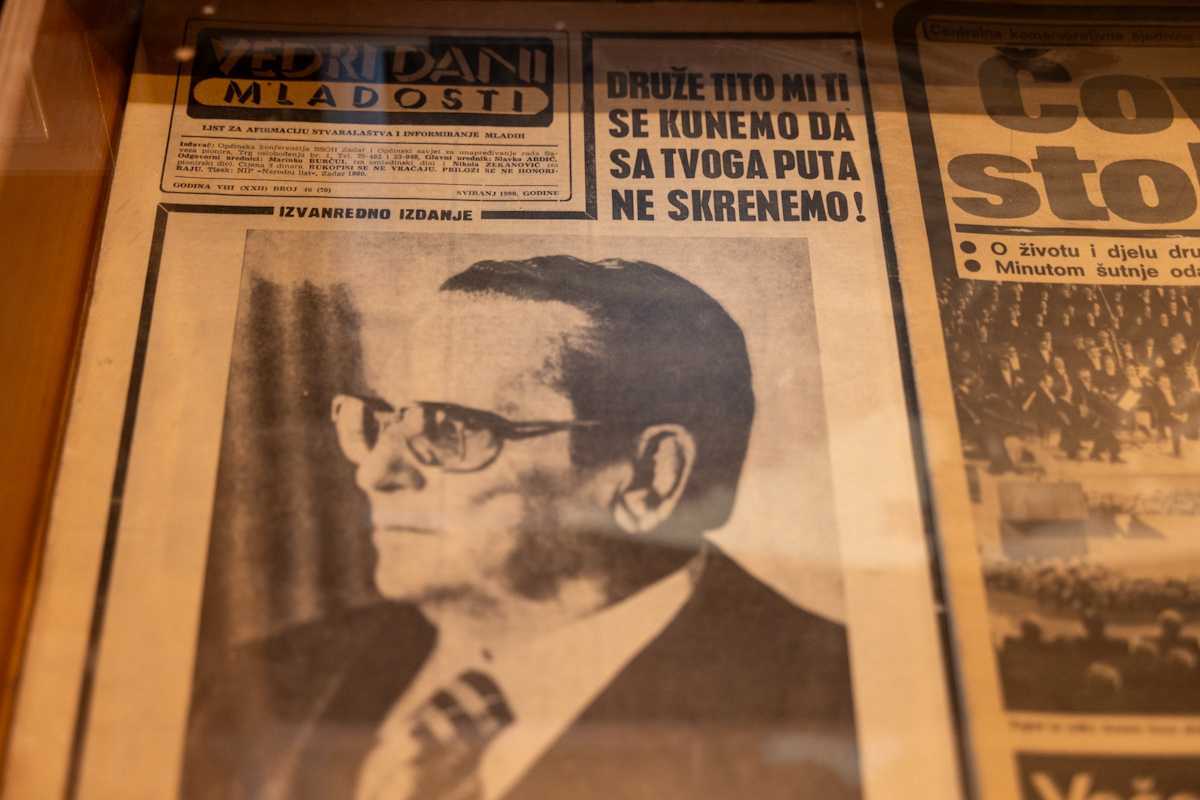
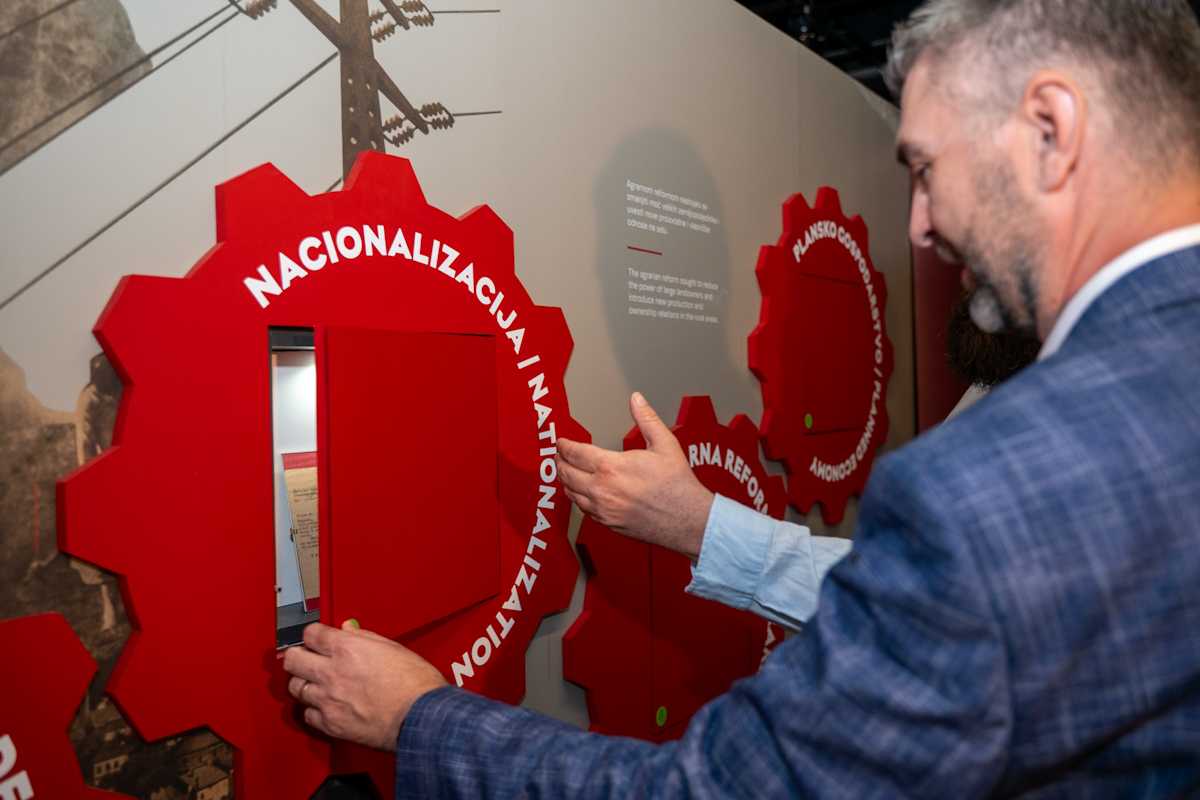
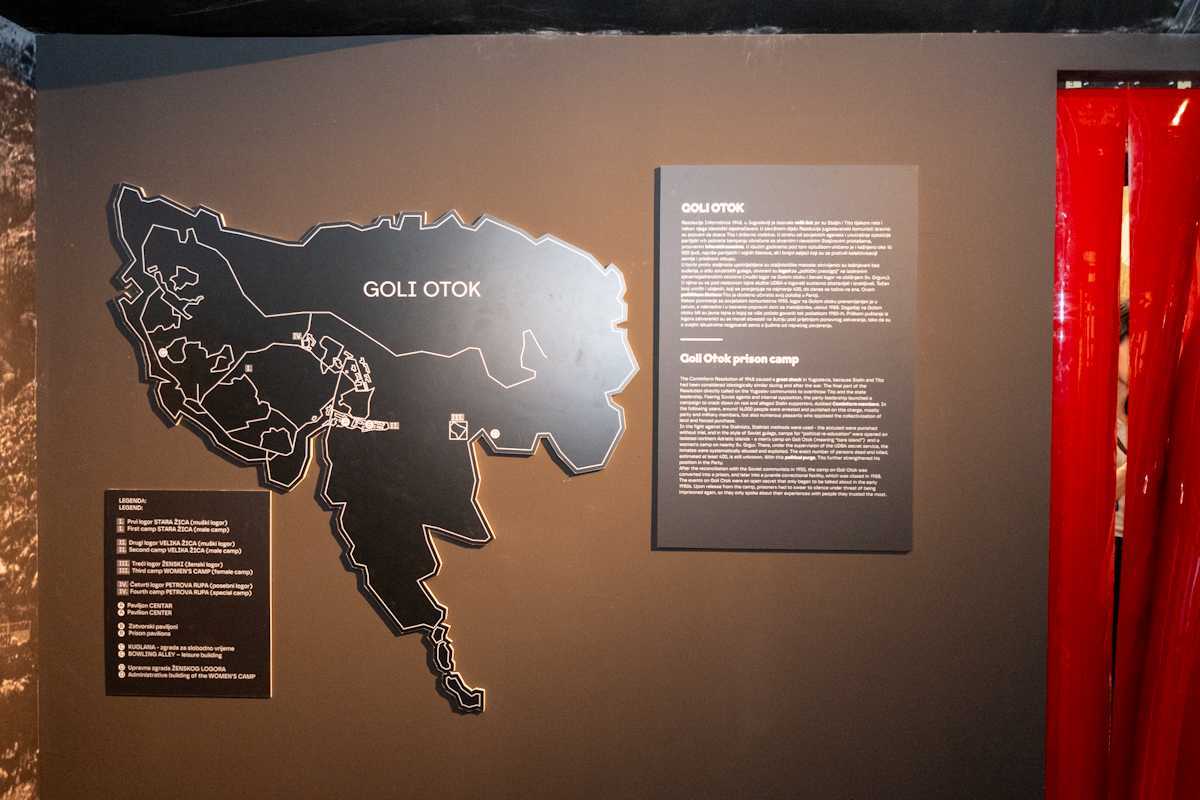
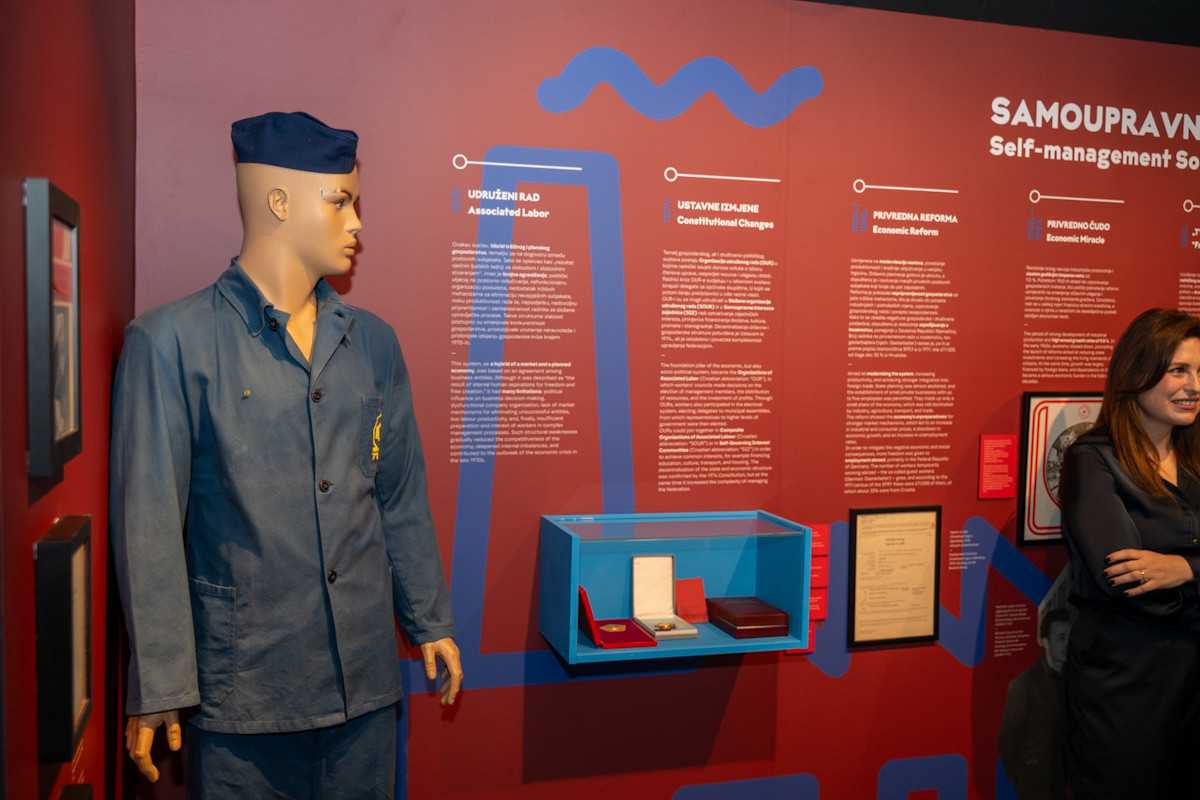
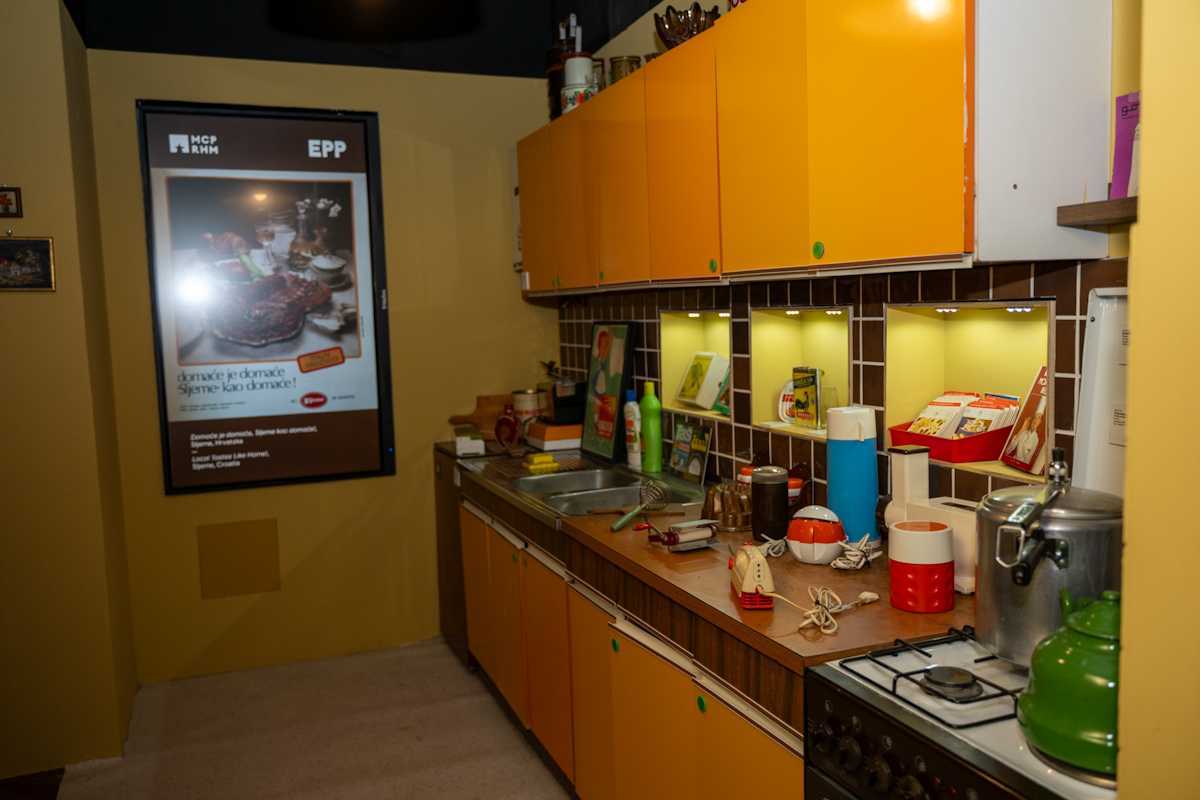
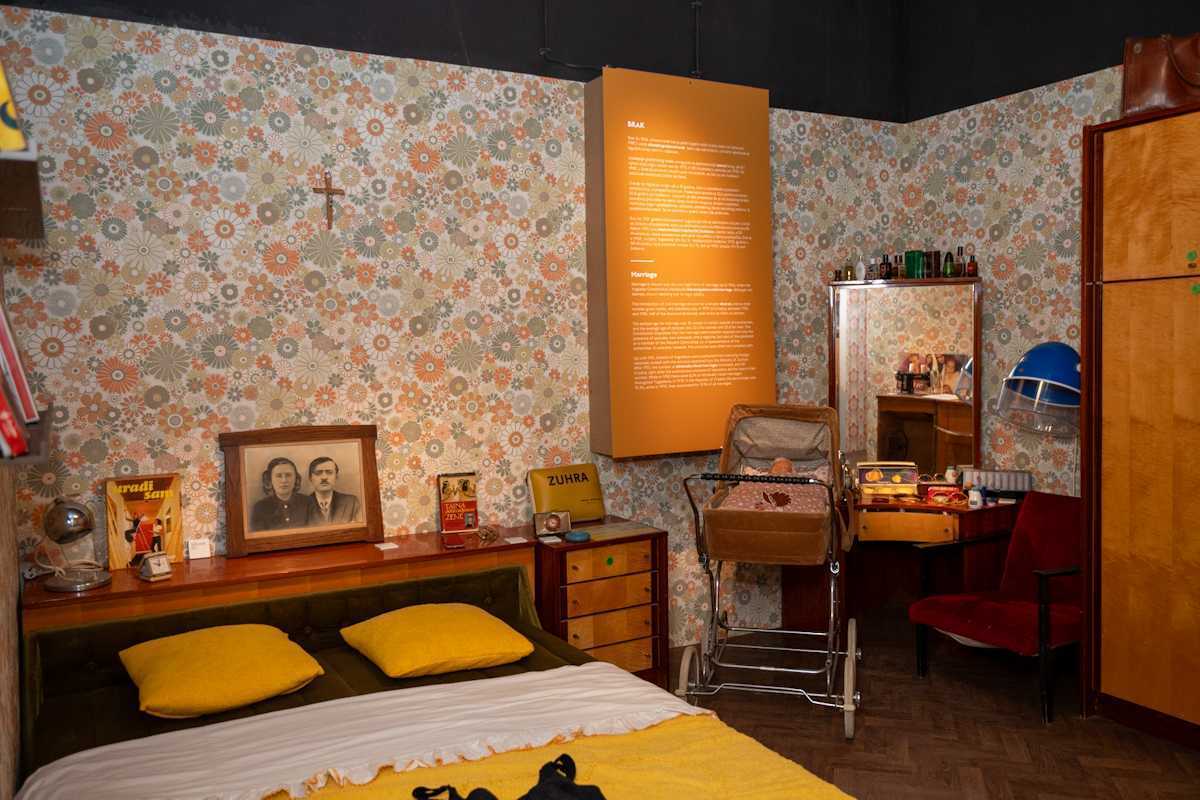
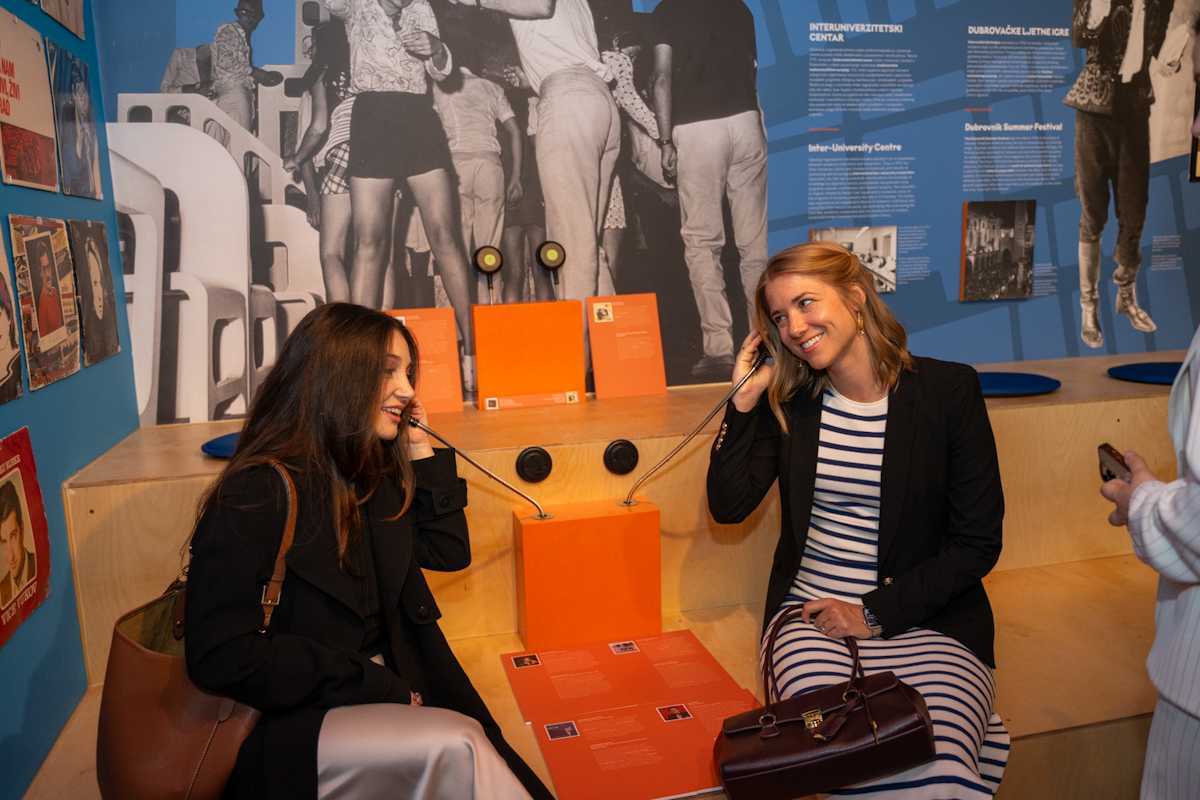
What makes the Red History Museum especially interesting is that it does not approach the past only through ideology or political narrative. It also looks at everyday life — design, work, housing, culture, consumption and the visual language of an era that shaped much of the region for decades. The museum’s own exhibition description presents it as a journey through Croatia’s history in Yugoslavia from 1945 to 1991, combining key political changes with the textures of daily life under socialism.
That wider cultural approach can also be seen in the museum’s programme history, which has included exhibitions on subjects such as Laibach, Babin Kuk, critical tourism, photography and design, and the former TUP factory.
The museum recently redesigned its permanent exhibition
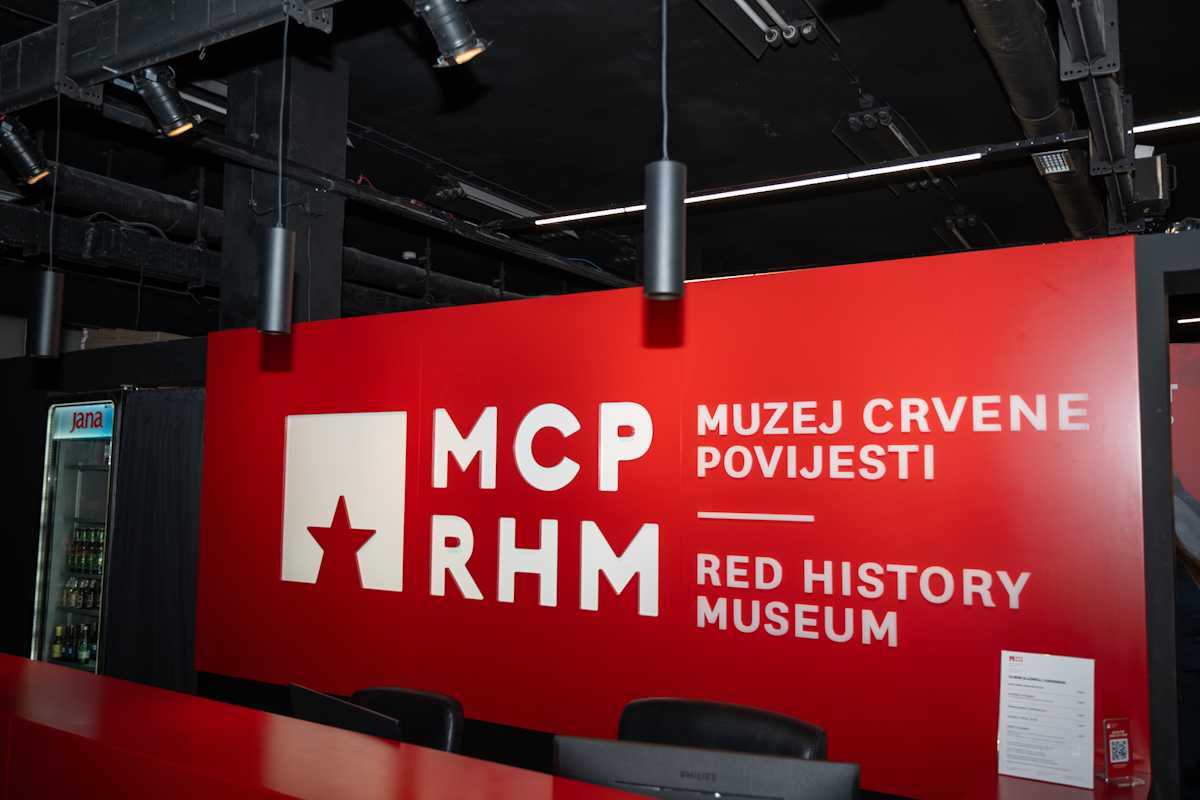
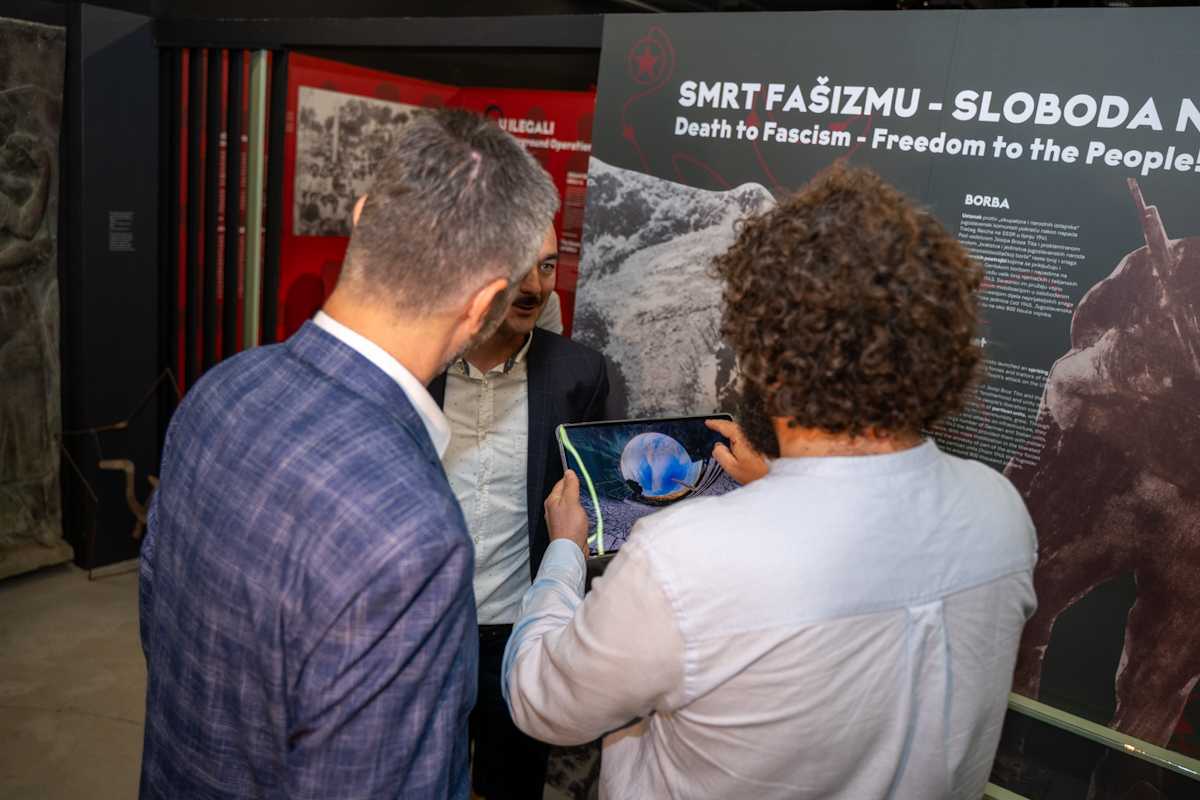
The Red History Museum has also recently gone through a significant transformation. On its official site, the museum announced that it had been closed since 25 November 2025, with a planned reopening on 31 March 2026, in order to completely redesign its permanent exhibition and all other museum spaces. The same announcement says the new exhibition was co-financed through the project “Digital Transformation of the Red History Museum” and would offer visitors a completely new experience of history.
That is an important development, because it means the museum is not only maintaining its concept, but actively updating the way it presents it.
An upgraded display was publicly presented in April
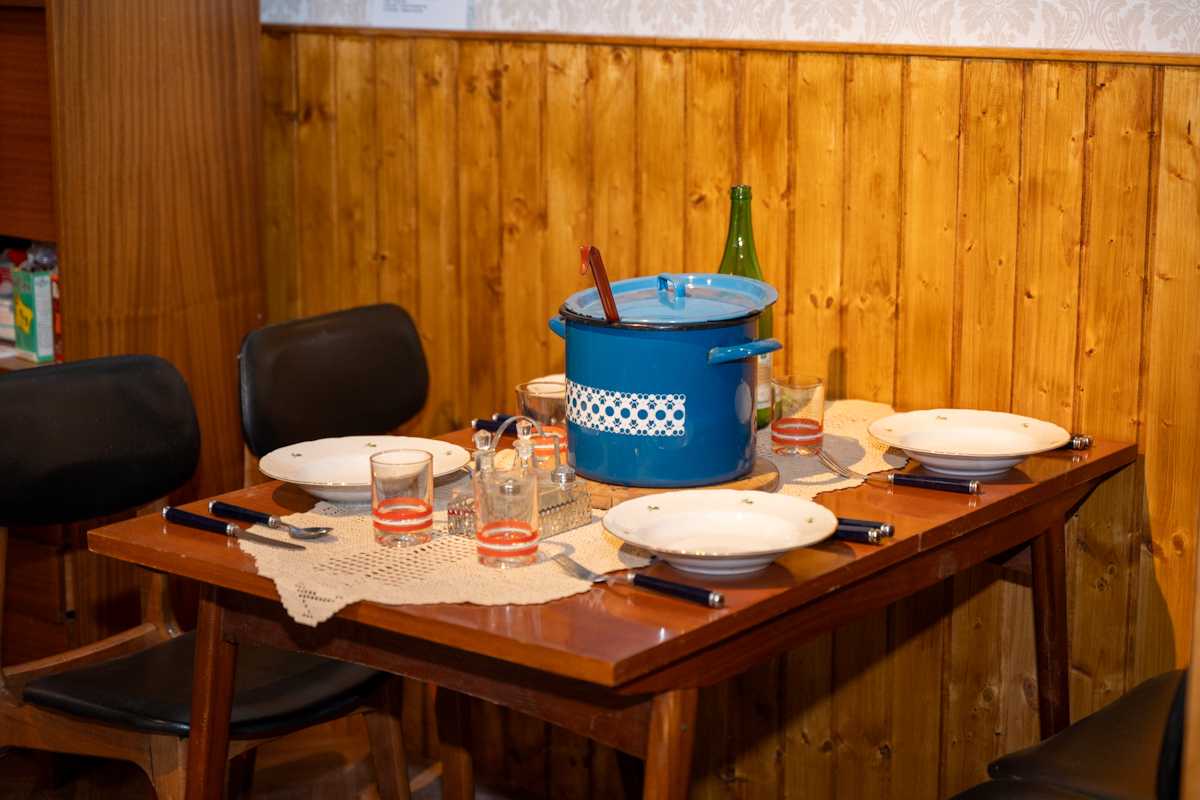
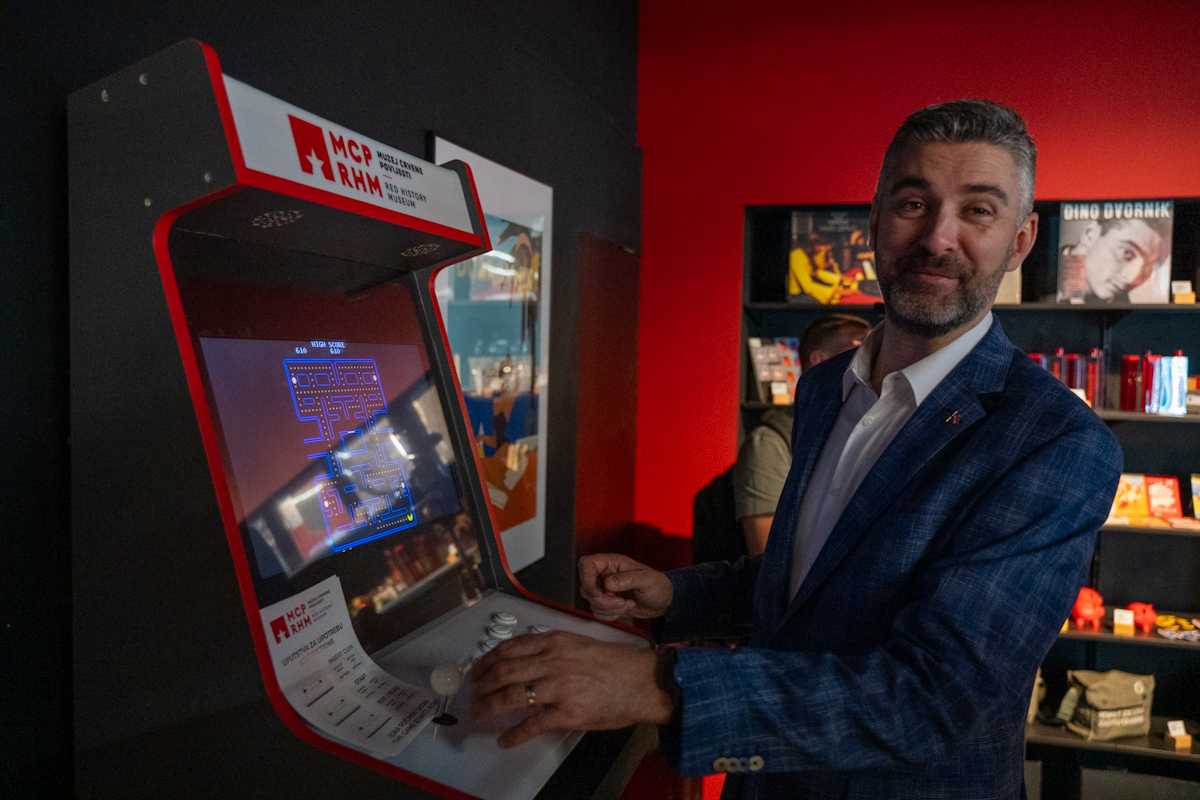
The redesign did not remain only a reopening announcement. In April 2026, the museum publicly presented its upgraded exhibition set-up as part of a special event marking both the official opening of the new display and the museum’s seventh anniversary. That gives the spring relaunch added weight: this was not simply a technical refresh, but a public reintroduction of the museum in a renewed form.
For visitors, that means the museum can now be understood not only as an established stop in Dubrovnik’s museum scene, but also as a cultural space that has recently invested in improving the visitor experience.
A museum recognised by visitors too
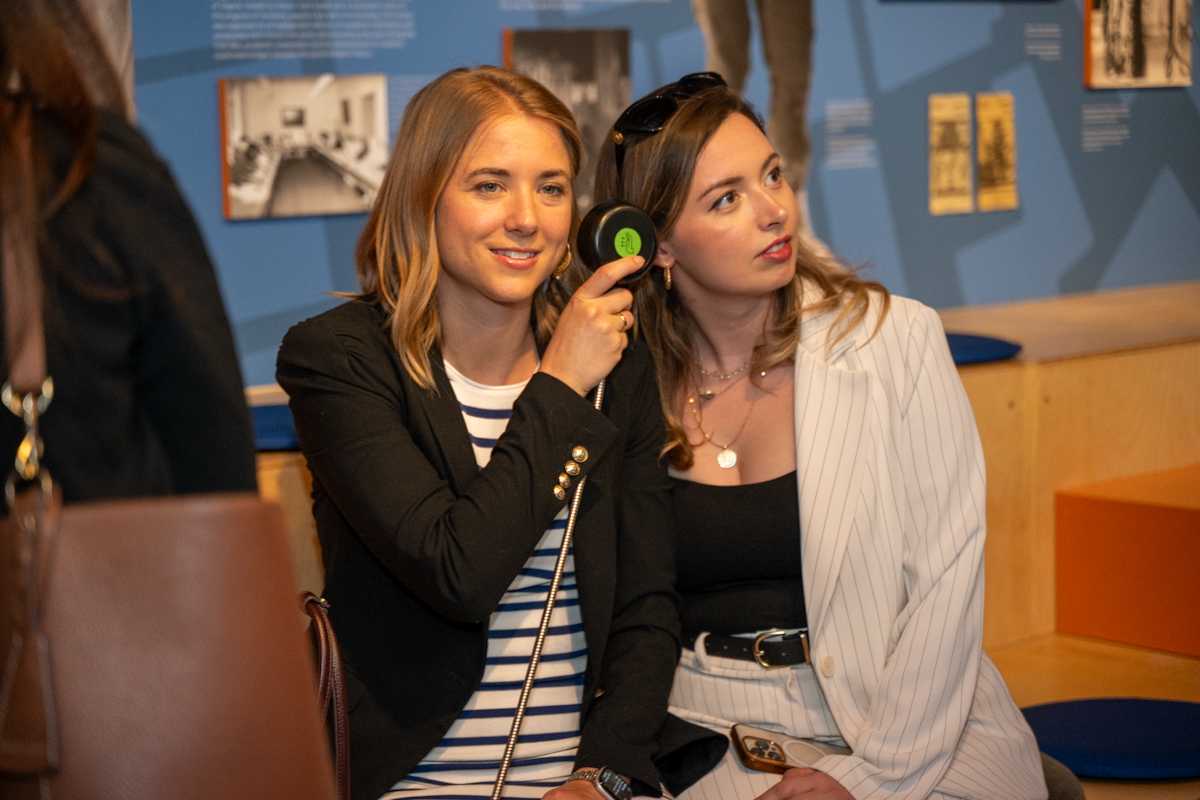
The museum has also been recognised beyond the local scene. Its Tripadvisor listing currently shows a Travellers’ Choice 2025 badge, which suggests it has connected strongly with visitors as well as with the city’s broader cultural offer. Tripadvisor’s description also presents it as one of Dubrovnik’s notable museum experiences, built around an interactive approach to Croatia’s socialist past.
That kind of visitor recognition matters, especially for a museum dealing with a subject that might initially seem more niche than Dubrovnik’s more traditional heritage attractions.
Why it stands out in Dubrovnik
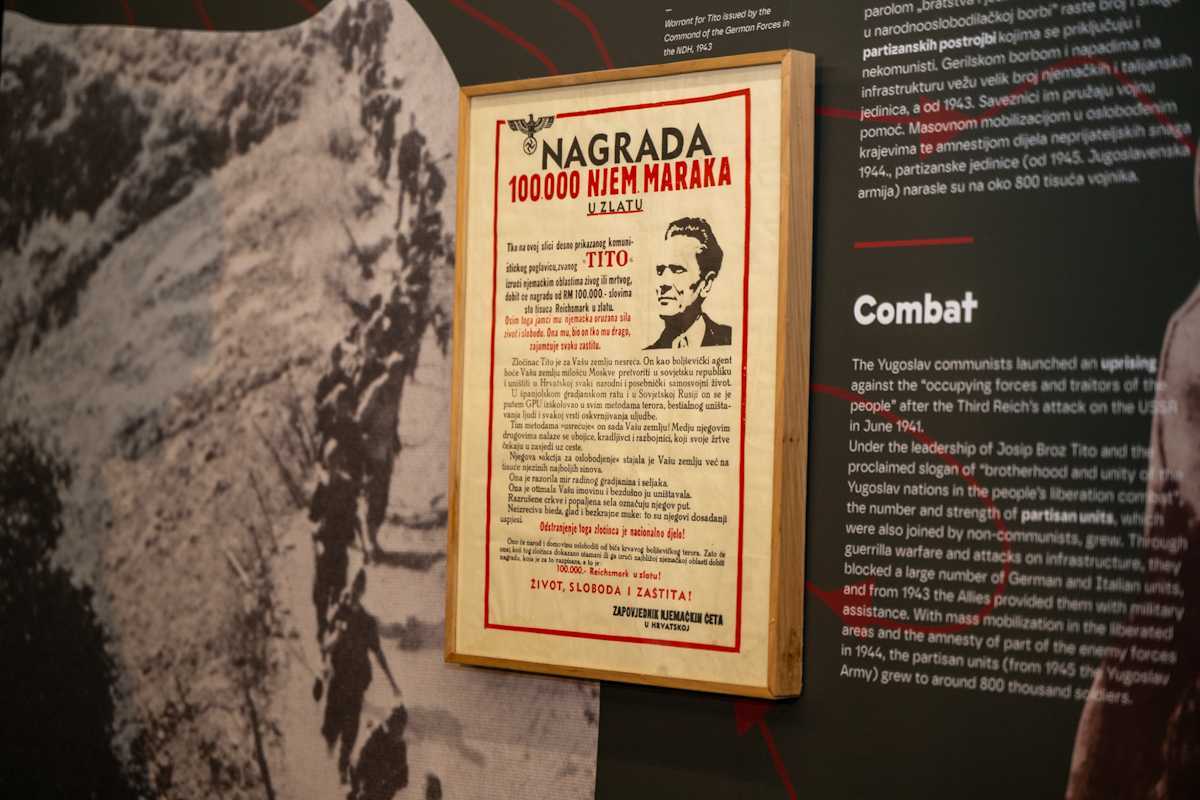
That matters particularly in Dubrovnik, where many cultural visits naturally revolve around the Republic, churches, fortresses and older heritage. The Red History Museum offers a completely different entry point into the city and the wider region. It speaks to the socialist period, to Yugoslav modernity, to everyday domestic and urban life, and to the ways memory continues to be shaped after political systems disappear.
In other words, it expands the timeline through which Dubrovnik can be read.
A contemporary museum in a city of long memory
There is something especially valuable about that contrast. Dubrovnik is a city of very long memory, but not all of that memory belongs to the distant past. The Red History Museum reminds visitors that the 20th century also left deep traces here — in architecture, tourism, housing, labour and public culture. Its recent exhibitions on Babin Kuk and the planning of the tourism complex there are a good example of how the museum connects ideology, urbanism and everyday Dubrovnik history in a way that feels highly local and surprisingly current.
That is one of the reasons the museum feels so relevant. It does not simply preserve the past. It encourages people to think about how recent history still shapes the city they see today.


More than a niche museum
It would be easy to assume that a museum like this is only for visitors already interested in Yugoslav history. But its programme suggests something broader. Through design, exhibitions, visual culture and its recently redesigned permanent display, the museum offers a way of looking at Dubrovnik that is different, contemporary and often unexpectedly accessible. This last point is an inference, but it is strongly supported by the museum’s own presentation of its renewed exhibition and its wider programme structure.