One of the region’s most iconic flavours
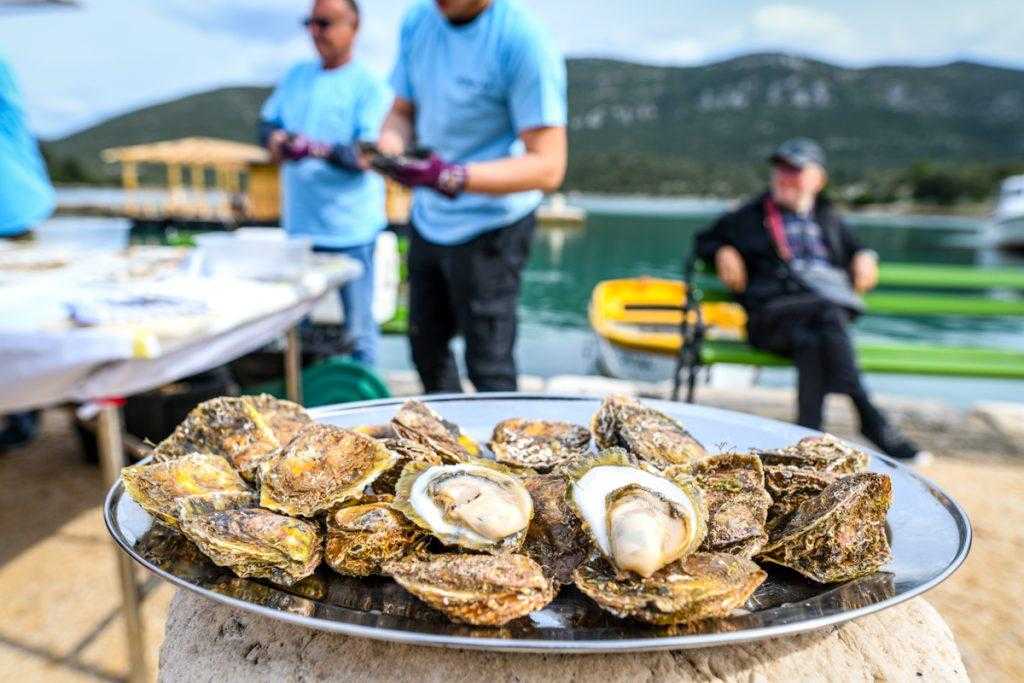
Few foods are as closely tied to the Dubrovnik region as Ston oysters. When people speak about local gastronomy in southern Dalmatia, these oysters almost always appear near the top of the list, not only because of their taste, but because they are so deeply linked to place. Local tourism materials regularly highlight oysters from the Bay of Mali Ston as one of the area’s signature products and one of the most distinctive flavours visitors can experience near Dubrovnik.
Why Mali Ston matters so much
The story of these oysters begins with geography. The Bay of Mali Ston has long been associated with oyster farming, and local tourism sources describe it as famous for the quality and distinctive taste of the oysters cultivated there. In the wider culinary image of the Dubrovnik region, Mali Ston appears alongside Ston salt, Pelješac wine and simple Adriatic seafood as one of the area’s defining gastronomic experiences.
That sense of place matters. Ston oysters are not simply a seafood dish you happen to find near Dubrovnik; they are one of the products that help define the identity of the region itself.
Best in March, especially around St. Joseph’s Day
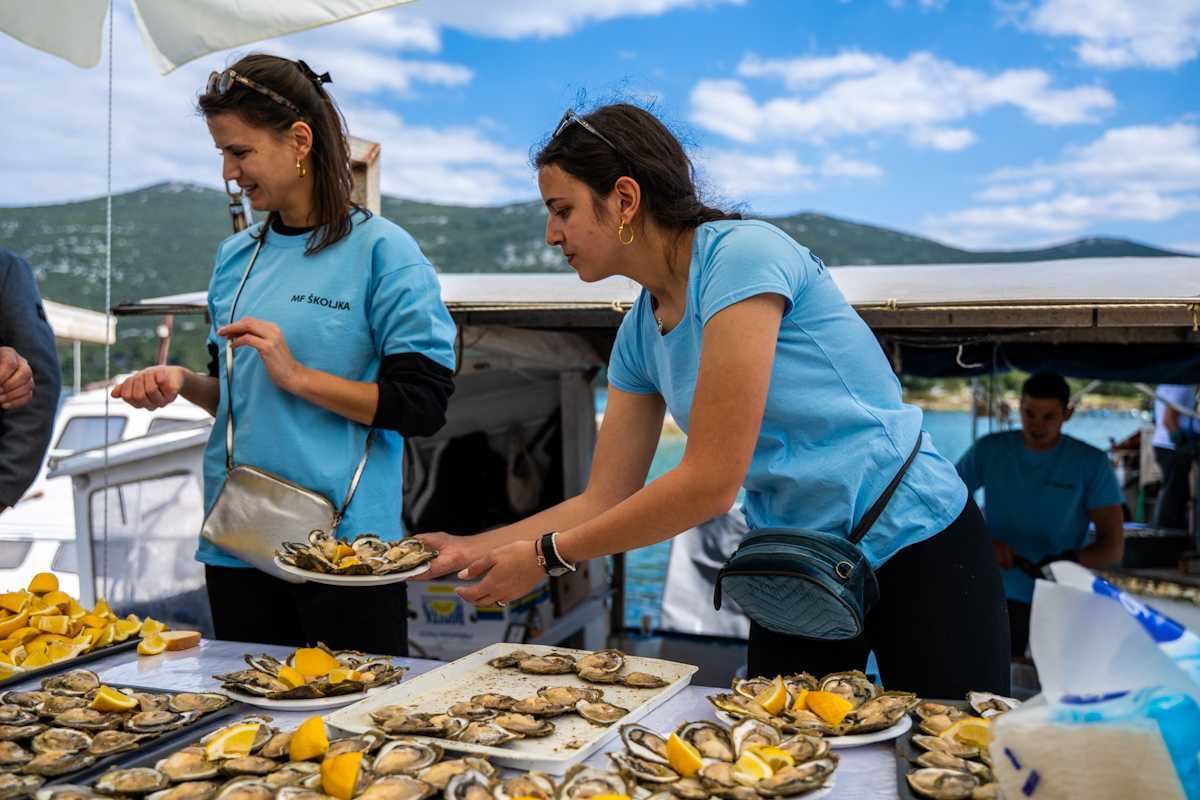
If there is one detail locals and shellfish growers return to again and again, it is this: Ston oysters are at their best in March, especially around the Feast of St. Joseph on 19 March. That belief is deeply tied to local tradition and is also the reason why Days of the Mali Ston Oyster, a traditional event dedicated to this prized delicacy, takes place around that date. The official festival site describes it as a long-standing local celebration connected to the idea that oysters are fullest and most flavourful around St. Joseph’s Day. For 2026, the event is scheduled from 19 to 22 March in Ston, Mali Ston and Brijesta.
For visitors, that makes March one of the most rewarding times to head towards Mali Ston if oysters are the reason for the trip.
A traditional event that celebrates more than food
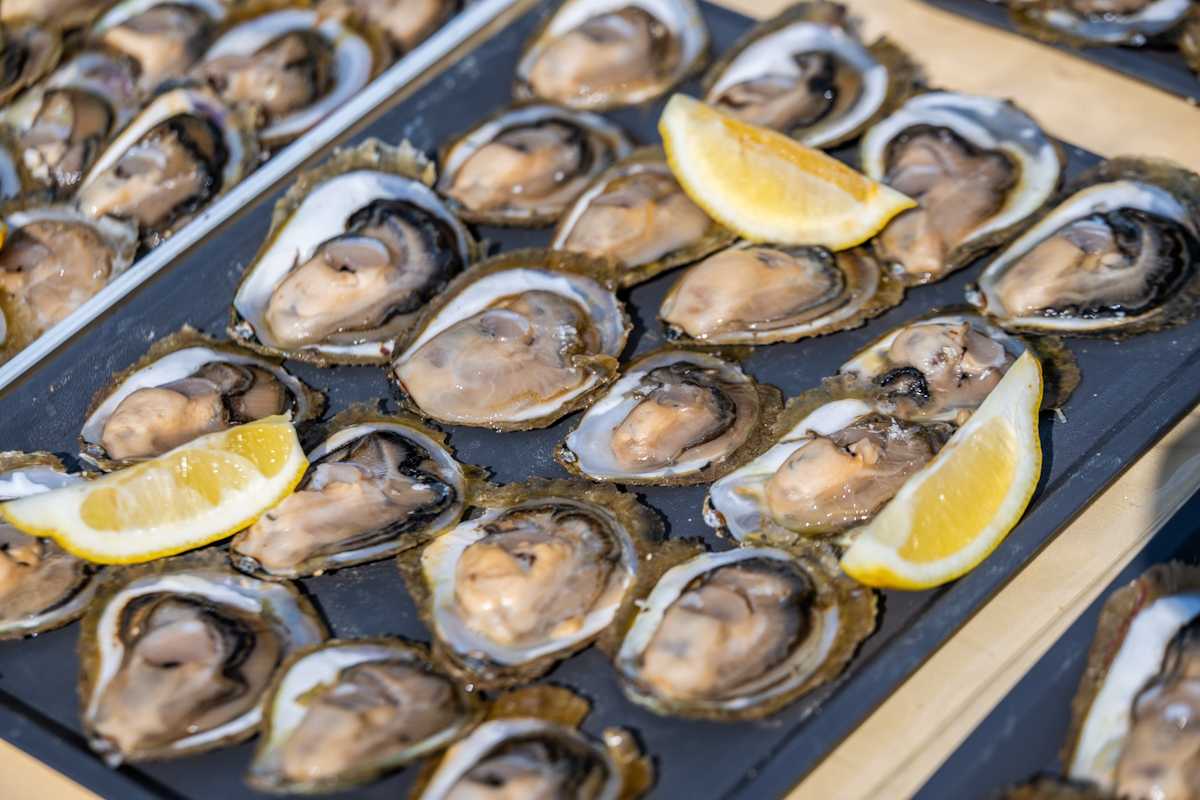
What makes Days of the Mali Ston Oyster especially appealing is that it is not only about tasting oysters. The event also celebrates the wider shellfish heritage of the bay and the local way of life built around it. According to the official programme, it brings together oyster tastings, local wines, workshops, guided tours and other activities tied to the oyster tradition of the area.
That gives the oysters a broader meaning. They are not only something served on a plate, but part of a living regional story that still has a clear seasonal rhythm.
More than a delicacy
Part of the appeal of oysters, of course, is their reputation. They feel celebratory, slightly luxurious and closely tied to the sea. But in the Dubrovnik region, they are also something more grounded than that. They belong to a long local tradition of shellfish cultivation and are part of a wider coastal food culture shaped by clean water, restraint in preparation and confidence in the ingredient itself. Local tourism sources consistently present oysters from Mali Ston Bay as part of that regional culinary heritage.
That is why they are often best understood in the simplest possible way: fresh, served with very little interference, and allowed to speak for themselves.
A product with protected status
Their importance is not only cultural, but official as well. In 2020, the European Union entered “Malostonska kamenica” into the register of Protected Designations of Origin (PDO), formally recognising the product under EU quality protection rules. That status places Ston oysters among the region’s most clearly protected and identifiable food products.
For visitors, that may sound technical, but it means something quite simple in practice: these oysters are not only famous by reputation, but recognised for their specific origin and identity.
Why visitors are drawn to them
For many travellers, tasting Ston oysters is not just about eating seafood. It is about experiencing a part of the Dubrovnik region that still feels strongly connected to landscape and tradition. A visit towards Ston and Mali Ston is already appealing because of the walls, the salt pans and the Pelješac setting; the oysters add another layer to that experience. Local tourism materials often place them alongside wine, salt and other recognisable products of the wider area.
That is one of the reasons they remain so memorable. They are not an isolated restaurant experience, but part of a wider regional story.
Best enjoyed simply
Like much of the best Adriatic food, Ston oysters are most persuasive when they are not overcomplicated. Their appeal lies in freshness and clarity. They do not need heavy presentation or too many additions. In that sense, they fit perfectly into the broader Dubrovnik-area approach to food: simple, seasonal and closely tied to place.
That simplicity is part of what makes them special. They feel elegant, but never forced.
A taste strongly linked to Dubrovnik’s wider food identity
If there is one thing Ston oysters represent especially well, it is the way the Dubrovnik region combines sea, landscape and tradition at the table. They sit naturally beside Pelješac wines, Ston salt and the broader image of southern Dalmatia as a place where food is shaped as much by setting as by recipe. Official and local tourism sources repeatedly present oysters from Mali Ston Bay in exactly that way — as one of the emblematic tastes of the region.
For visitors, that makes them worth seeking out. Not because they are fashionable, but because they are one of the clearest and most authentic tastes of where you are.