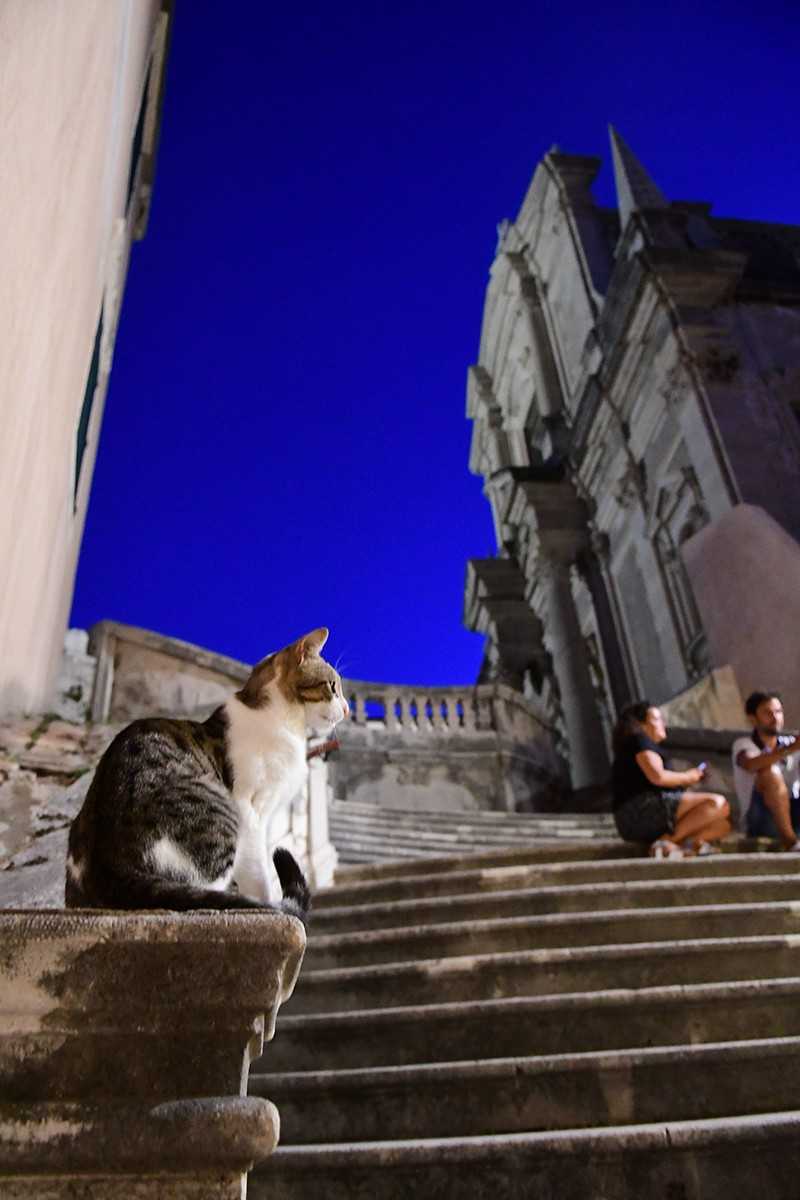
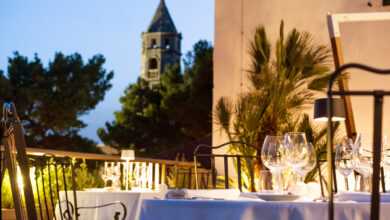
A staircase most visitors recognise before they really know it
For many visitors, the Jesuit Steps are instantly familiar because of Game of Thrones. They are one of the most photographed places in Dubrovnik, and for plenty of people they remain closely tied to one scene above all others: the beginning of the famous “Walk of Shame.” Dubrovnik’s official Game of Thrones map confirms the staircase as one of the best-known filming locations in the city.
But the steps deserve to be seen as more than a screen backdrop. Long before television made them globally recognisable, they were already one of the most distinctive Baroque spaces in Dubrovnik.
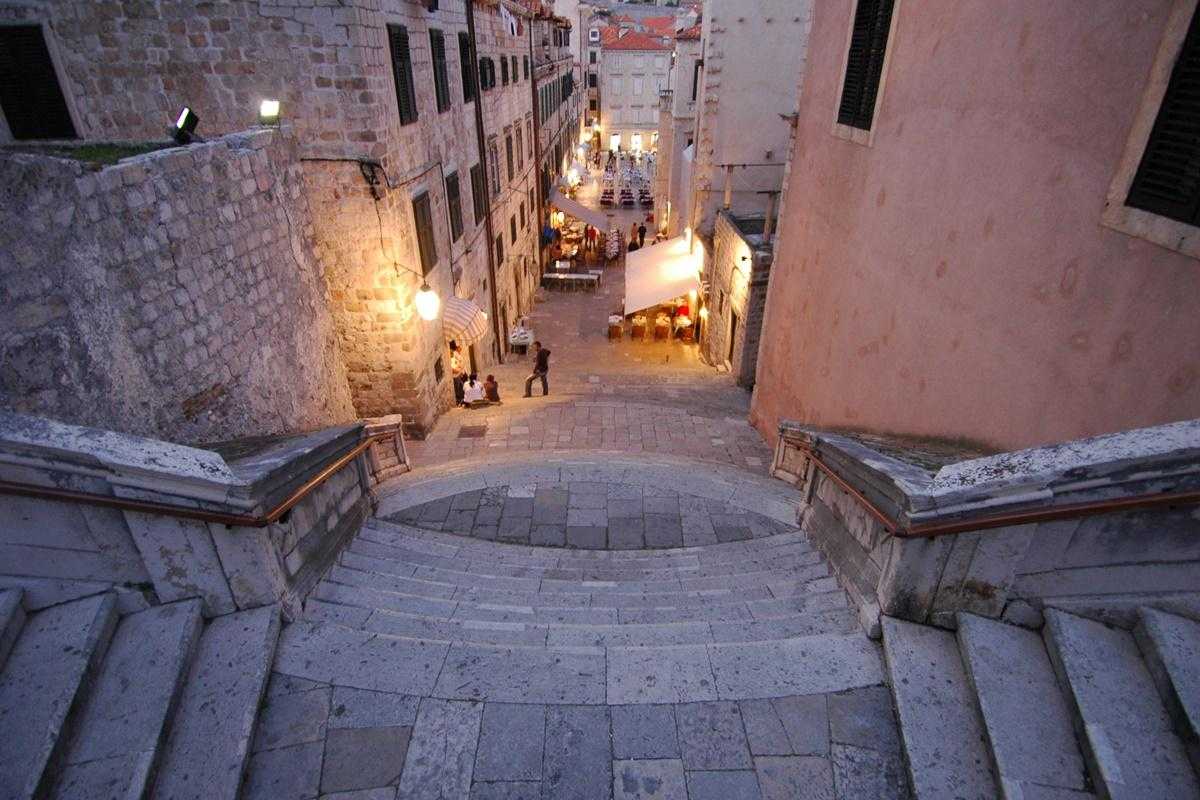
They belong to one of Dubrovnik’s most important Baroque ensembles
The Jesuit Steps lead up to the Church of St Ignatius and the former Jesuit collegium, creating one of the most striking architectural compositions in the Old Town. Dubrovnik Tourist Board materials describe the staircase as part of a broader urban ensemble that many consider the finest Baroque set of buildings in all of Dalmatia.
That matters because the steps were never intended as a standalone monument. They were designed to guide the eye and the body upward, into a carefully composed sacred and educational space.
Their designer looked towards Rome
According to official Dubrovnik heritage and tourism sources, the staircase was designed in 1738 by the Roman architect Pietro Passalacqua. Those same sources note that the steps are reminiscent of the famous Spanish Steps leading to Trinità dei Monti in Rome.
This Roman echo is part of what makes the staircase so distinctive in Dubrovnik. It introduces a different rhythm and theatricality into the Old Town — not medieval, not defensive, but explicitly Baroque in mood and movement.
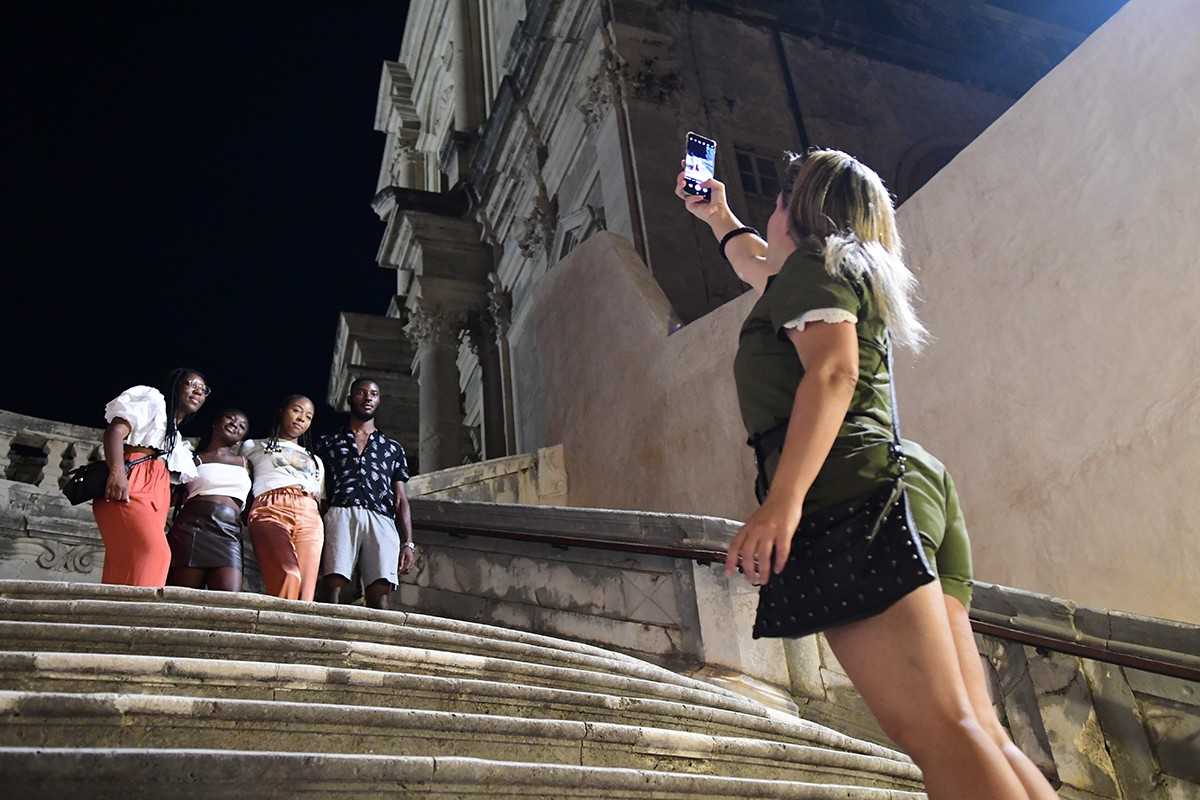
The church above them tells the rest of the story
The staircase makes far more sense once you look at what it leads to. The Church of St Ignatius, known locally simply as the Jesuit church, was designed by the famed Jesuit architect and painter Andrea Pozzo, who worked on it between 1699 and 1703, according to the Dubrovnik Tourist Board.
That means the steps are not just decorative. They are part of a bigger story about the Jesuit presence in Dubrovnik, education, religion and the way Baroque architecture was used to create emotional effect through elevation, perspective and movement.
They are also part of Dubrovnik’s intellectual history
There is another layer many visitors miss completely: the Jesuit complex is tied not only to architecture and religion, but also to Dubrovnik’s educational history. Dubrovnik Tourist Board material notes the famous Collegium Ragusinum, the Jesuit school adjacent to the church. A later city publication even recalls how students still climb the same staircase that Ruđer Bošković once ascended on his way to lectures.
That gives the place a different kind of weight. The steps are not only beautiful and cinematic. They also belong to a tradition of learning and intellectual life in the city.
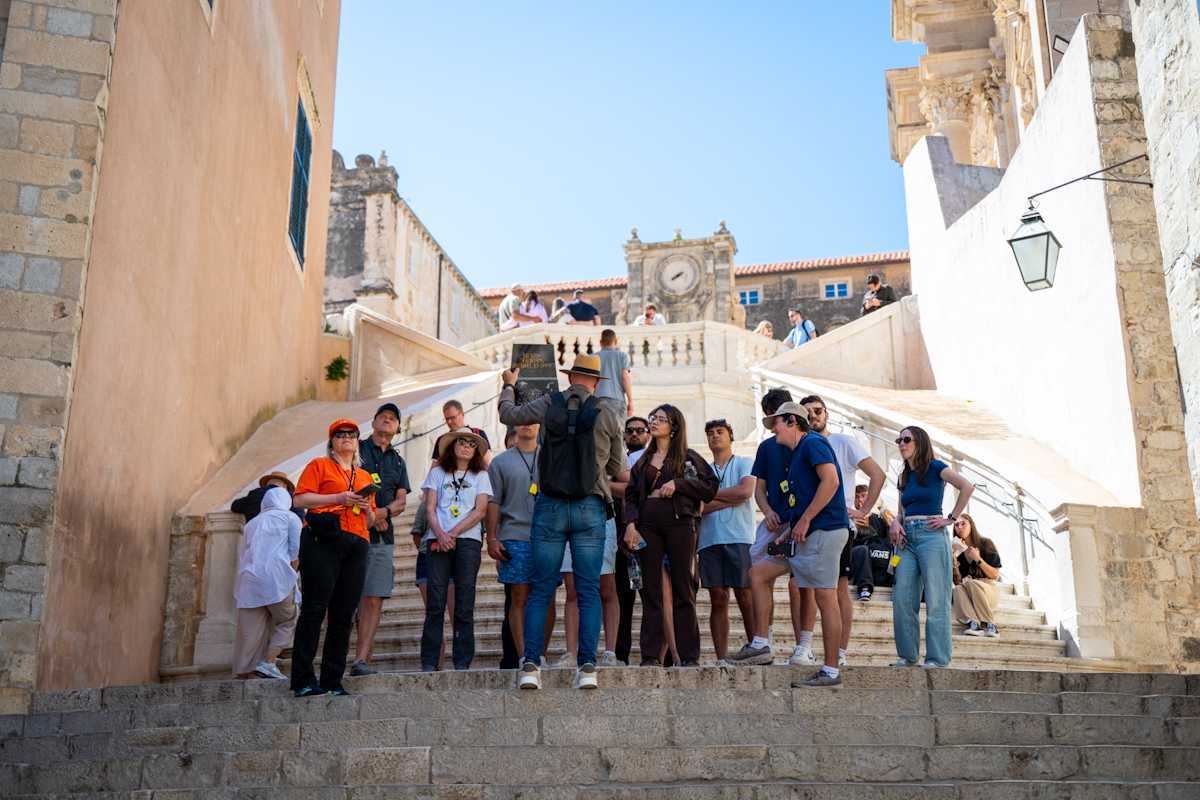
Television made them famous, but not important
It would be easy to say that Game of Thrones “put the Jesuit Steps on the map,” but that would miss the point. The series made them globally visible, yes, and Dubrovnik’s tourism materials acknowledge their role in the show very clearly.
But visibility is not the same as significance. The steps mattered long before the cameras arrived. What the series really did was direct more eyes toward a place that was already architecturally and symbolically important.
A place worth looking at more slowly
That is perhaps the best way to approach the Jesuit Steps today. Not as a place to tick off because it appeared on screen, but as a place that says something about Dubrovnik itself: its Baroque ambitions, its ties to Rome, its Jesuit educational tradition and its ability to gather multiple meanings into one urban space.
The steps are dramatic, certainly. But their drama does not begin with television. It begins with architecture.