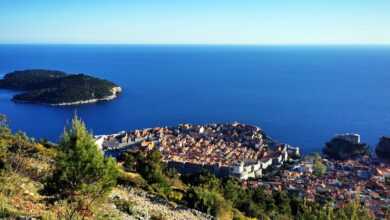
More than a beautiful backdrop
In Dubrovnik, the sea is easy to admire. It frames the city, defines its views and gives the old stone streets much of their atmosphere. But here, the sea has never been only scenery. It has long shaped the way the city works, how people imagine their future and how Dubrovnik understands itself. Official tourism materials still point visitors towards the Maritime Museum as a place that tells the story of Dubrovnik’s maritime tradition, which says a great deal in itself: the relationship between the city and the sea is not only historical, but central to its identity.
The sea is still part of how Dubrovnik educates its future
In Dubrovnik, the maritime world is not confined to old stories or museum collections. It still lives through education, through institutions such as the Maritime School Dubrovnik and the Faculty of Maritime Studies at the University of Dubrovnik, where the city’s long relationship with the sea continues in a very practical way. That continuity says something important about Dubrovnik: the sea belongs not only to its past, but also to the way the city imagines its future.
The sea still shapes work and ambition
That matters because it shows the sea is not only part of Dubrovnik’s postcard image. It still shapes real decisions — what students choose to study, which industries remain visible in the city and how professional life is imagined in a place long defined by navigation, trade and maritime skill. The presence of a maritime faculty and recurring maritime career events suggests that in Dubrovnik, the sea still opens practical futures as well as symbolic ones.
The sea is still part of everyday life
In Dubrovnik, the sea continues to shape life in quiet but constant ways. It influences movement, work, leisure and the city’s wider sense of place. More than a backdrop, it remains part of everyday experience — something people live with, move through and continue to build around.
Even beyond the city itself, the wider Dubrovnik area keeps that maritime identity alive. On Pelješac, for example, local heritage is still closely tied to the memory of ships, captains and seafaring life. In that sense, the sea continues to shape not only cultural memory, but also the wider identity of the region.
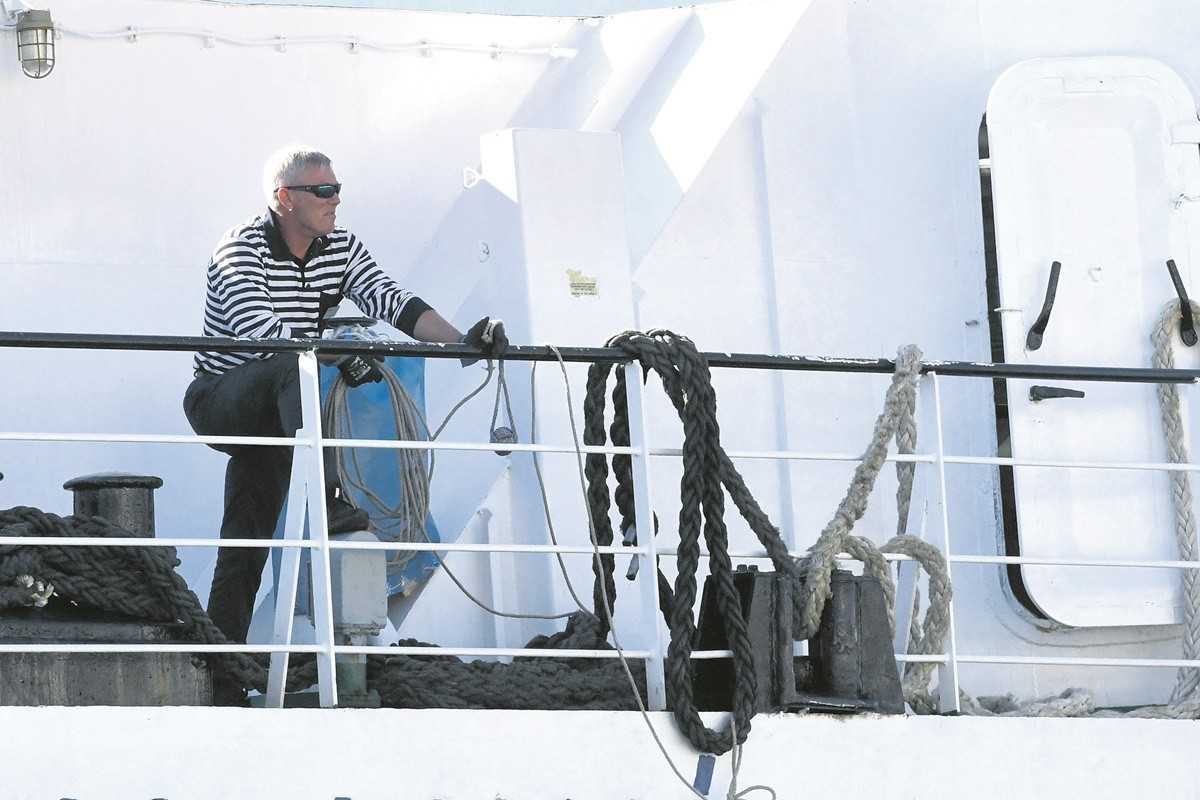
A city that still thinks with the sea
What makes Dubrovnik especially interesting is that the sea still works on several levels at once. It is history, economy, education, movement and atmosphere. It is the setting for tourism, but also part of the city’s deeper structure — the thing that continues to shape its habits, institutions and imagination.
That is why maritime stories in Dubrovnik still feel current. They are not simply about what the city used to be. They are also about what it still is.
More than heritage
It would be easy to place all of this under heritage and leave it there. But that would miss the point. Heritage matters, of course, and Dubrovnik’s maritime past is an important part of the city’s cultural story. Yet what stands out today is not only that Dubrovnik remembers the sea, but that it still lives with it — through study, work, outdoor life and the ongoing sense that it remains close to everyday experience.
The sea remains part of Dubrovnik’s identity
That is perhaps why Dubrovnik’s maritime side still feels so natural. It does not need to be exaggerated or reinvented. It is already there — in the city’s institutions, in its opportunities, in its landscape and in the way people continue to relate to place.
For visitors, that is worth noticing. Dubrovnik may first appear as a city of walls and views, but the sea is still doing much of the deeper work. It is not only around Dubrovnik. It still shapes life within it.