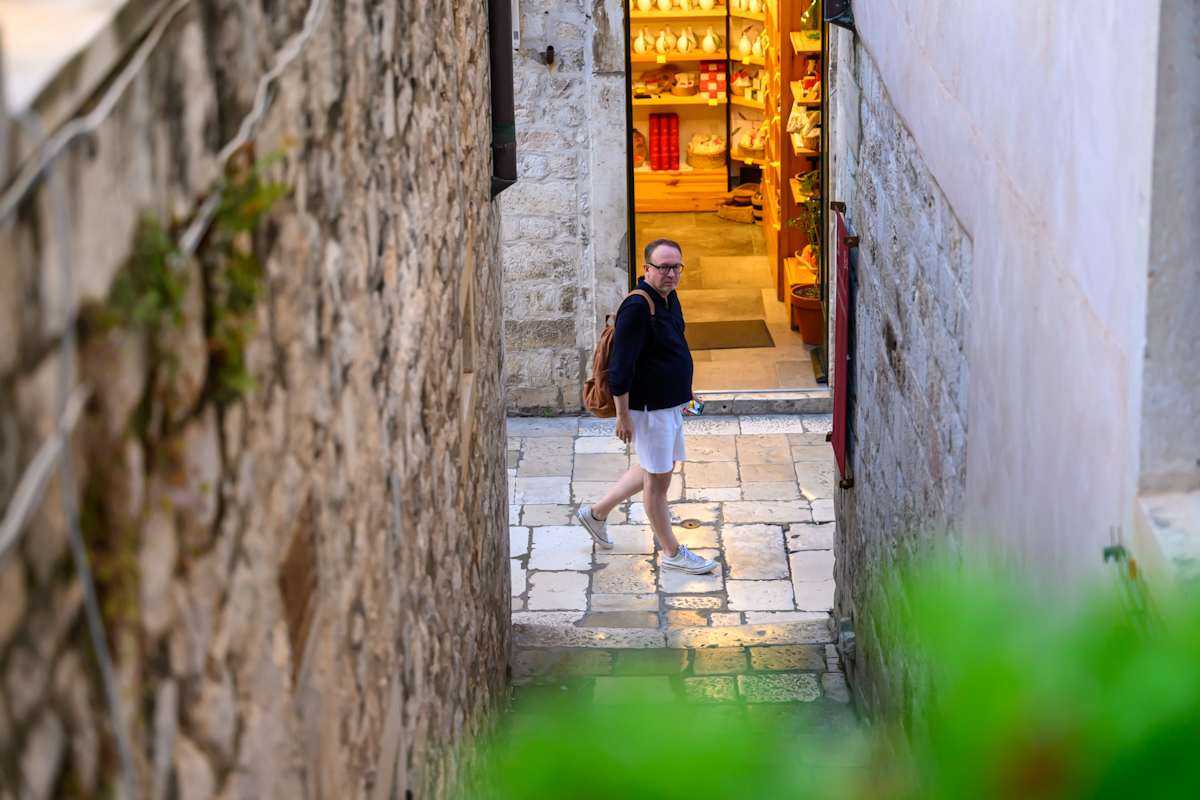
The Old Town reveals itself slowly
Dubrovnik’s Old Town is one of those places that makes a strong first impression. Most visitors notice the same things first: the stone, the symmetry, the sea views, Stradun and the City Walls. But the historic centre is the kind of place that rewards a second look. Beyond the postcard image, there are details that reveal how carefully the city was built, defended and cared for over centuries. UNESCO describes the Old City of Dubrovnik as a place that preserved its Gothic, Renaissance and Baroque churches, monasteries, palaces and fountains despite the great earthquake of 1667, which is part of what gives the city such layered character today.
The fountains are more than a place to stop
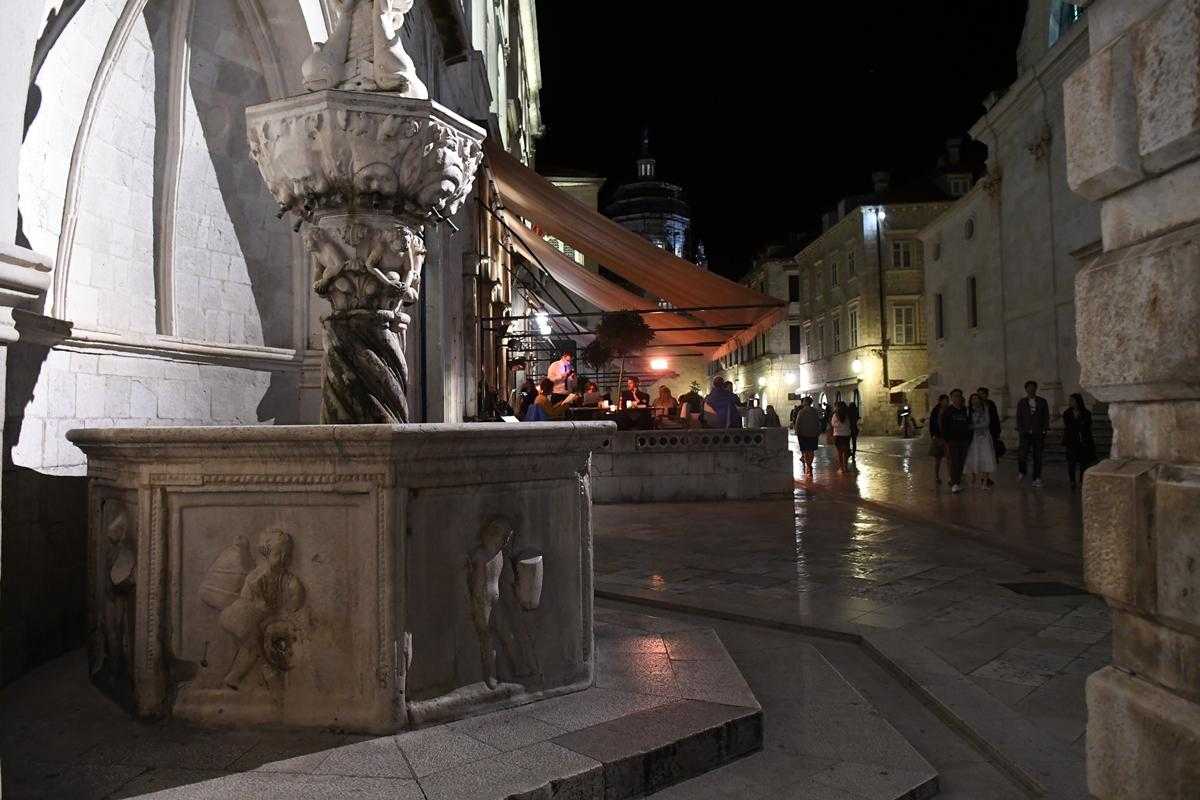
Many people pause at the Great Onofrio Fountain near Pile Gate simply to rest, refill a bottle or take a photo. But the fountain is one of the clearest reminders that Dubrovnik was built with impressive practical intelligence. It formed part of the city’s 15th-century water system, which brought fresh water into the Old Town and helped sustain urban life within the walls. The smaller Onofrio Fountain at the other end of Stradun had its own purpose too, supplying the market area with water. These are not just decorative landmarks; they are pieces of the city’s infrastructure made beautiful.
The walls explain the city better than any guidebook
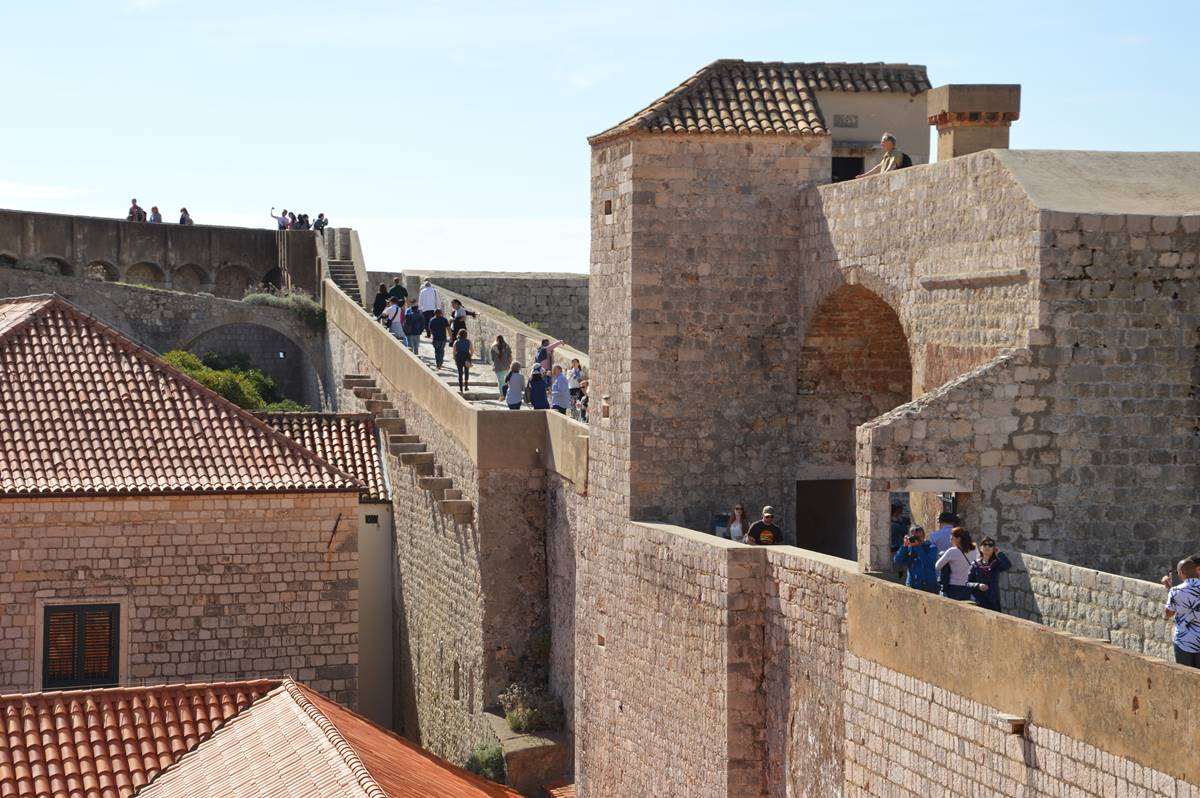
Visitors often walk the City Walls for the view, but one of the details many miss is what those walls actually say about Dubrovnik. The official City Walls site notes that the fortification system stretches for about 1,940 metres and includes towers, bastions, fortresses and other defensive elements. In other words, the walls were not built as a scenic promenade. They were built for survival. Once you understand that, the Old Town looks different: more disciplined, more intentional and more clearly shaped by the idea of independence and self-protection.
St. Blaise is everywhere for a reason
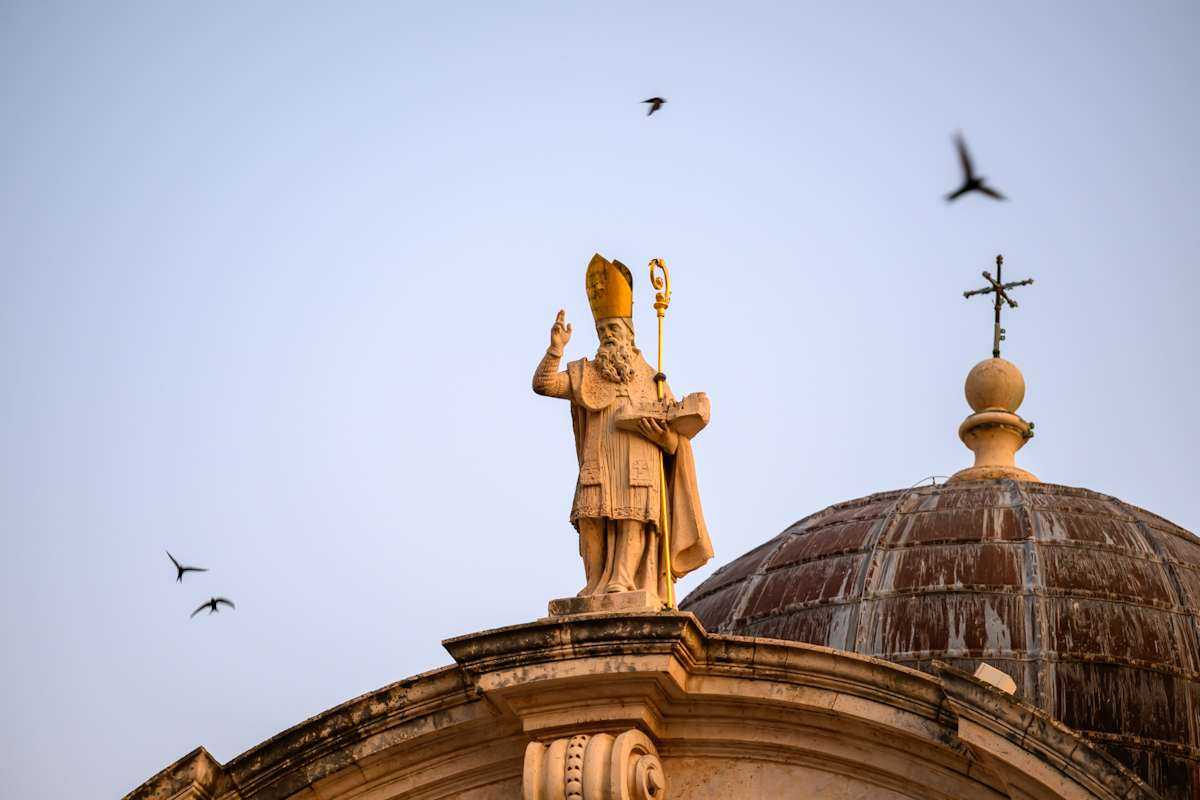
One detail many first-time visitors notice only gradually is how often St. Blaise, Dubrovnik’s patron saint, appears throughout the Old Town. His church stands prominently on Luža Square, but his presence is not limited to one building. He appears in statues, reliefs and symbolic traces across the historic centre. The Church of St. Blaise itself was built in the early 18th century in Venetian Baroque style, replacing an older church on the same site. That alone tells you something important: St. Blaise is not a marginal religious figure in Dubrovnik, but part of the city’s long civic identity.
Not every important building announces itself loudly
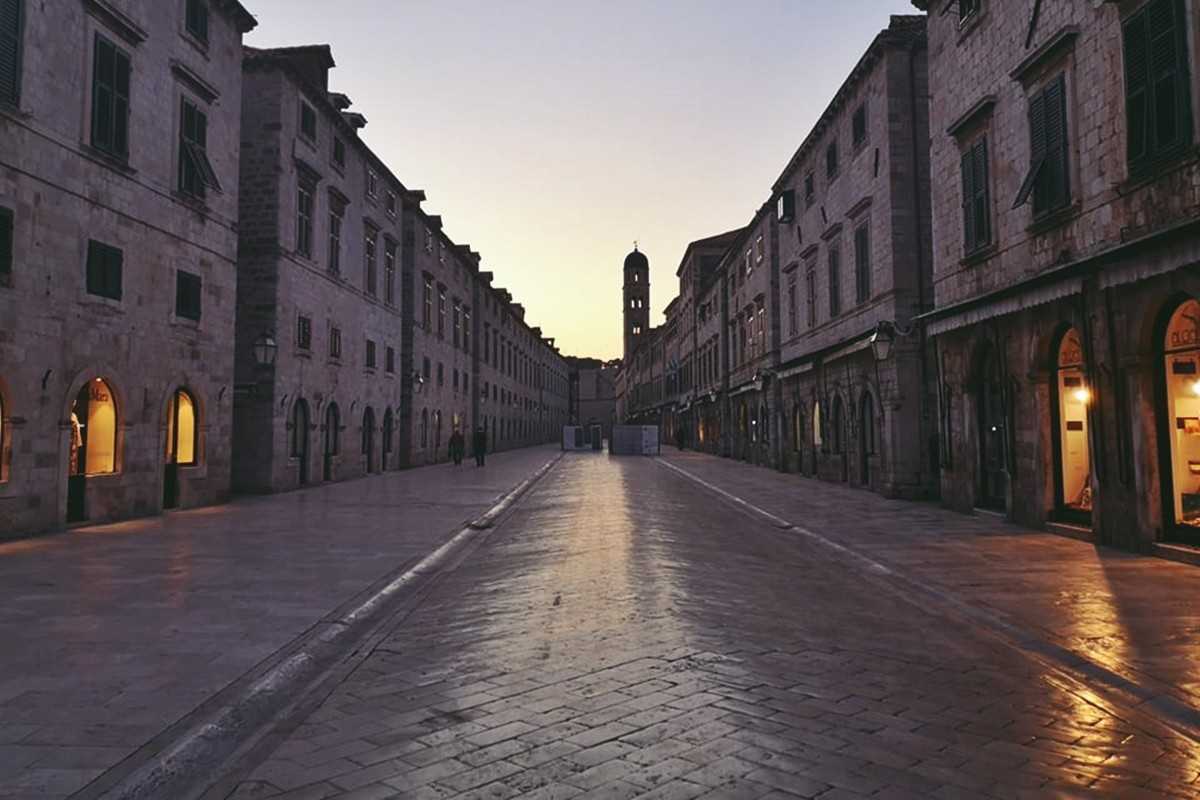
Dubrovnik’s Old Town can feel visually unified at first, which means some places are easy to pass without fully noticing their significance. One of the most interesting things about the city is that many important structures do not try to dominate the street. UNESCO’s description of the Old City emphasises the richness of its churches, monasteries and palaces, and that is exactly the point: significance in Dubrovnik is often built into the urban fabric rather than separated from it. Part of the pleasure of walking here lies in realising that what looks restrained at first may hold centuries of political, religious or artistic importance.
Preservation is part of the story too
Another detail many visitors miss is that Dubrovnik’s historic centre does not look this complete by accident. The Society of Friends of Dubrovnik Antiquities, founded in 1952, has played a major role in preserving the city’s monuments, especially the walls and other major heritage structures. European heritage sources describe the Society’s principle as “From the monuments for the monuments,” which reflects a long local tradition of reinvesting heritage income into preservation. That means the city people admire today is also the result of decades of active care, not only historic inheritance.
The Old Town is not only beautiful, but highly organised
One of the easiest details to overlook is how organised Dubrovnik’s historic centre really is. Seen from the walls or simply noticed street by street, the Old Town reflects a city that was carefully planned around water access, defence, religion, trade and public life. UNESCO’s description of Dubrovnik as an important Mediterranean sea power from the 13th century onward helps explain that structure. This was a city designed to function with discipline and purpose, and those priorities are still visible if you look beyond the obvious beauty.
The city becomes more interesting when you stop looking only for the big sights
That may be the most important detail of all. Dubrovnik’s Old Town is famous enough that many visitors arrive with a checklist in mind, walls, Stradun, a church, a palace, a view. But the city becomes much richer when you begin to notice the smaller things: why the fountains matter, how often St. Blaise appears, how defensive logic shaped beauty, and how much work has gone into preserving the place. The Old Town does not reveal itself all at once. It becomes more interesting the moment you stop treating it as a backdrop and start reading it as a city.