A small but important part of Dubrovnik’s international life
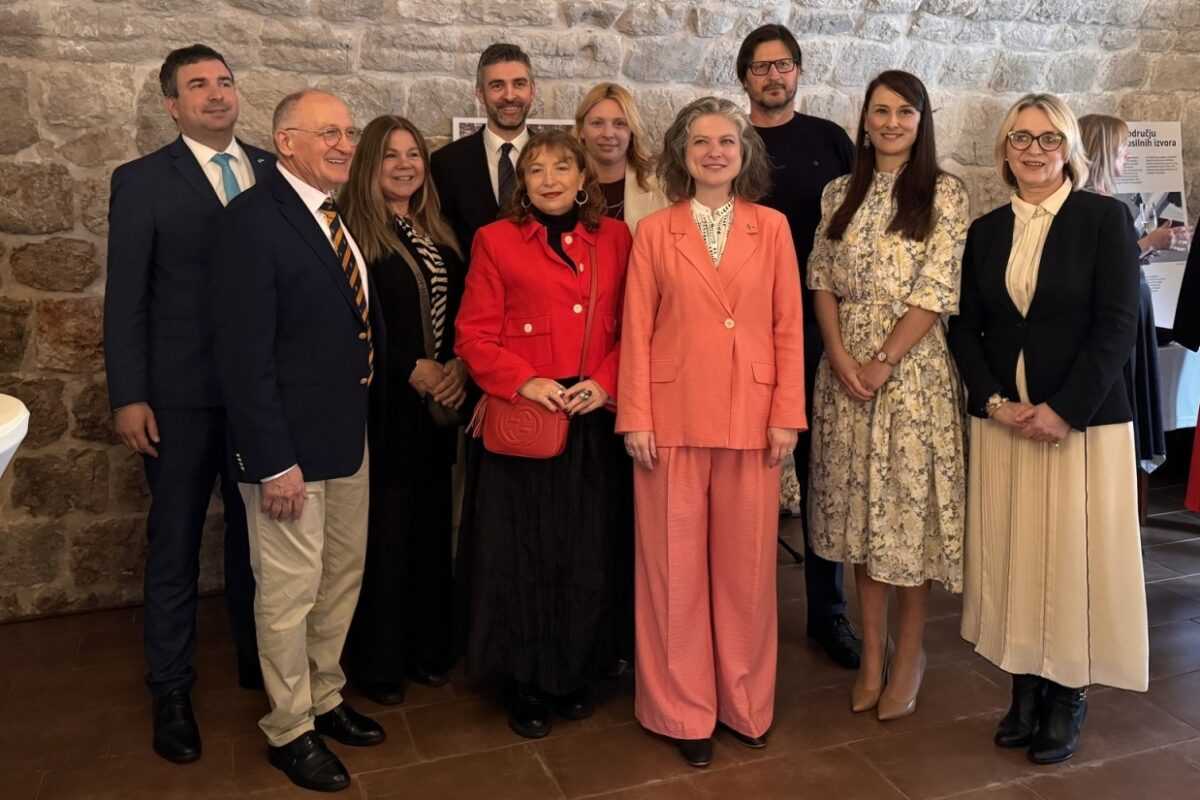
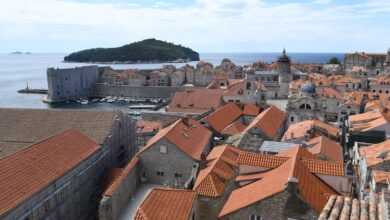
Dubrovnik is not only a tourism city. It is also a city with a visible diplomatic footprint, and one of the clearest signs of that is its network of honorary consuls.
Unlike embassies or full consulates, honorary consuls do not usually handle the full range of administrative services such as visas or standard consular paperwork. Croatia’s Ministry of Foreign and European Affairs explains that their role is more closely tied to economic, cultural and public relations, while in some situations they may also assist citizens of the country they represent.
Why this matters in Dubrovnik
That kind of diplomatic presence makes particular sense in Dubrovnik.
The city has long been tied to international travel, maritime life, business and culture, so a wider network of honorary consulates reflects exactly that. It shows Dubrovnik not only as a place people visit, but also as a place with formal international connections and representation. This is an editorial reading based on the official diplomatic list and the Ministry’s description of honorary consular roles.
The countries represented in Dubrovnik
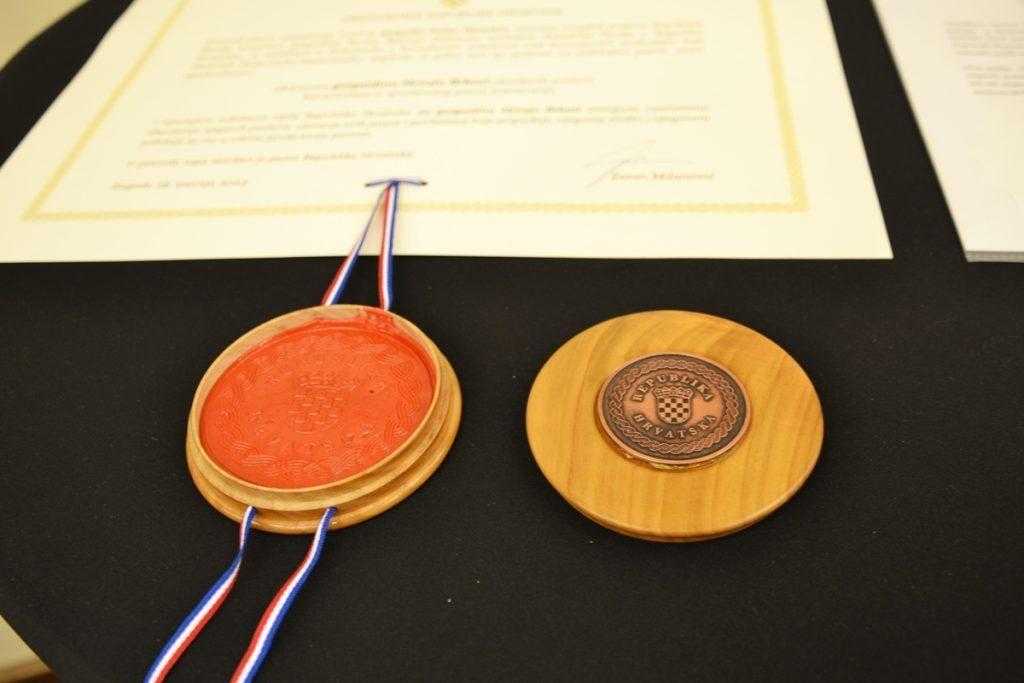
According to Croatia’s official diplomatic list and ministry records, Dubrovnik is currently home to honorary consuls of the following countries:
Albania — Ivan Gjurašić
Lithuania — Petra Gjurašić
Belgium — Sabine Gouhie
Denmark — Tomislav Đurković
Estonia — Hrvoje Jelić
Finland — Hrvoje Brbora
France — Lucijana Leoni
Hungary — Katja Bakija
Kazakhstan — Mario Knego
The Netherlands — Pero Kulaš
Norway — Tonći Peović
Russia — Ante Stojan
Slovakia — Nikolina Trojić
Spain — Jelka Tepšić
Sweden — Anđela Matić
The United Kingdom — Mark Thomas
More visible than many people realise
Most visitors will pass through Dubrovnik without thinking much about honorary consuls at all. But their presence says something important about the city.
It shows Dubrovnik as a place with lasting international relevance — not only through tourism, but through formal cultural, economic and diplomatic links as well. In a city with such a strong global image, that quieter layer of official international presence feels both fitting and significant. This is an editorial conclusion based on the official diplomatic list and the Ministry’s description of honorary consular functions.
A useful detail for foreign visitors too
For foreign nationals in Dubrovnik, honorary consulates can matter in practical ways as well. While they are not a substitute for embassies or full consulates, they may still serve as a useful first point of contact depending on the country and the situation. For current addresses, contact details and office hours, the most reliable source remains the official Diplomatic List of the Croatian Ministry of Foreign and European Affairs.