One of Dubrovnik’s most authentic summer traditions may soon be making its way to the screen.
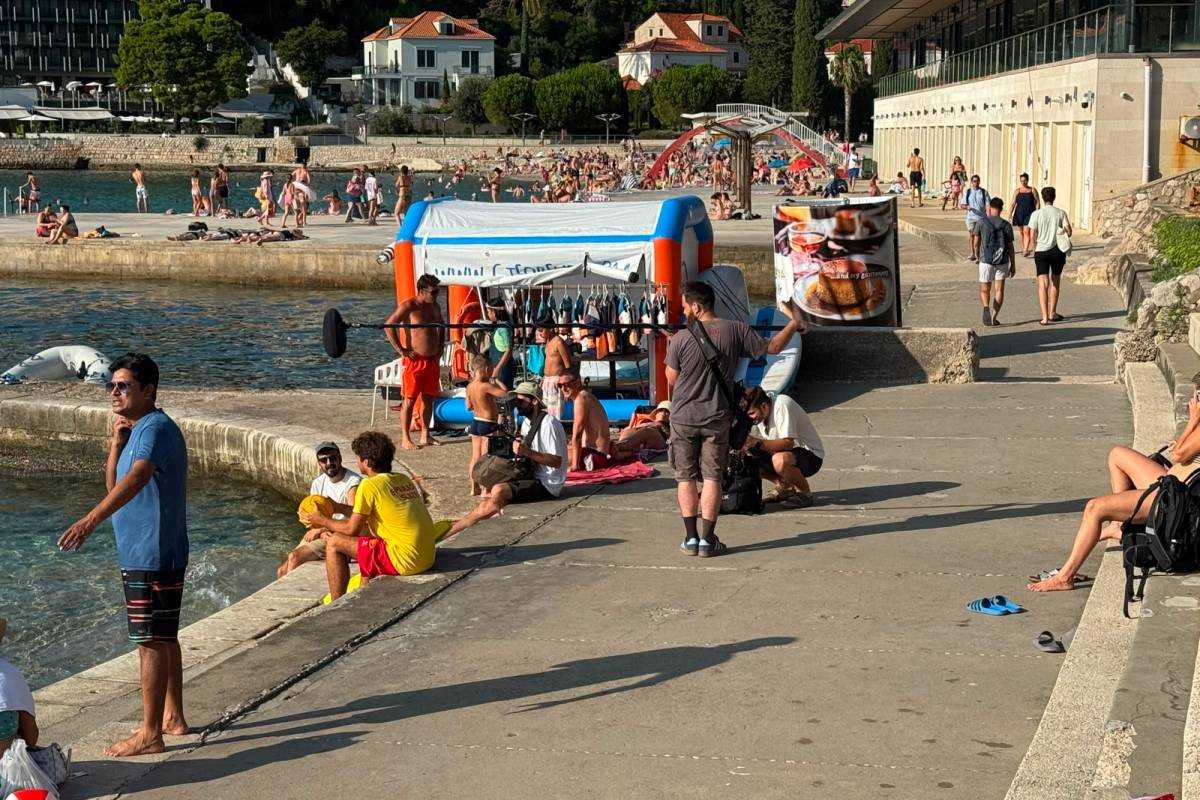
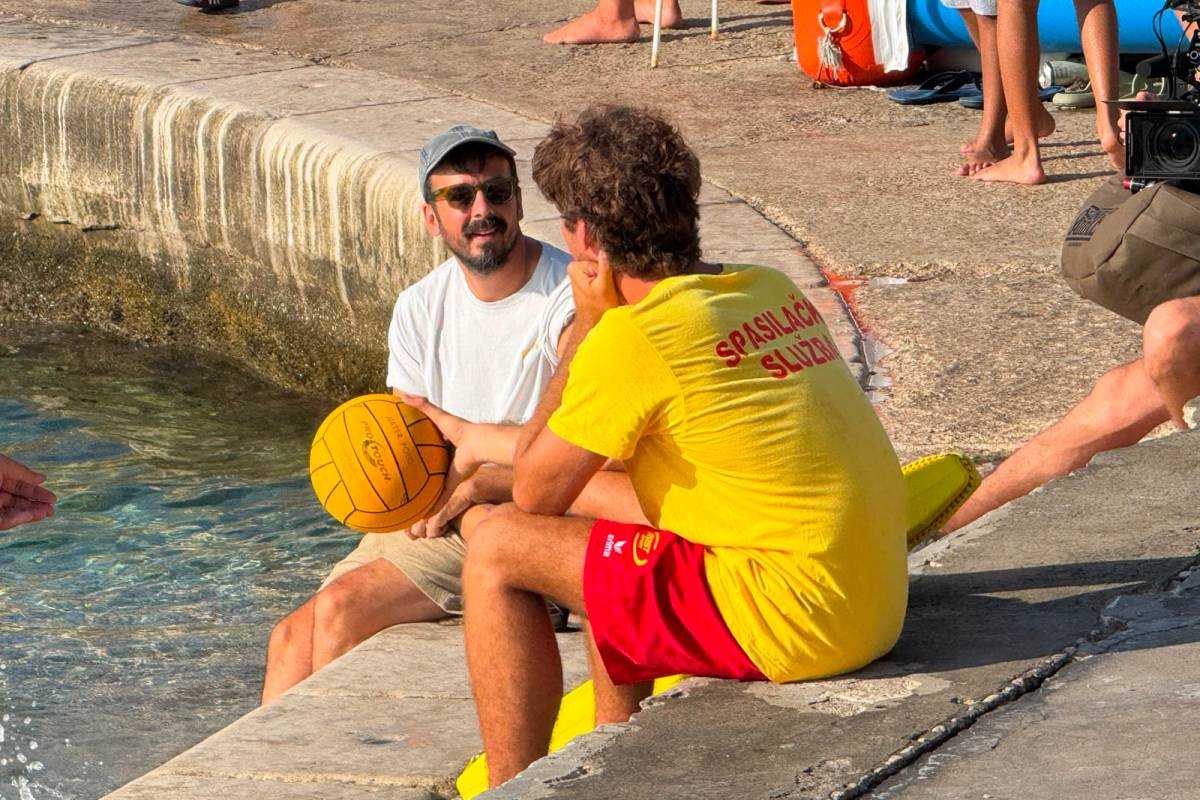
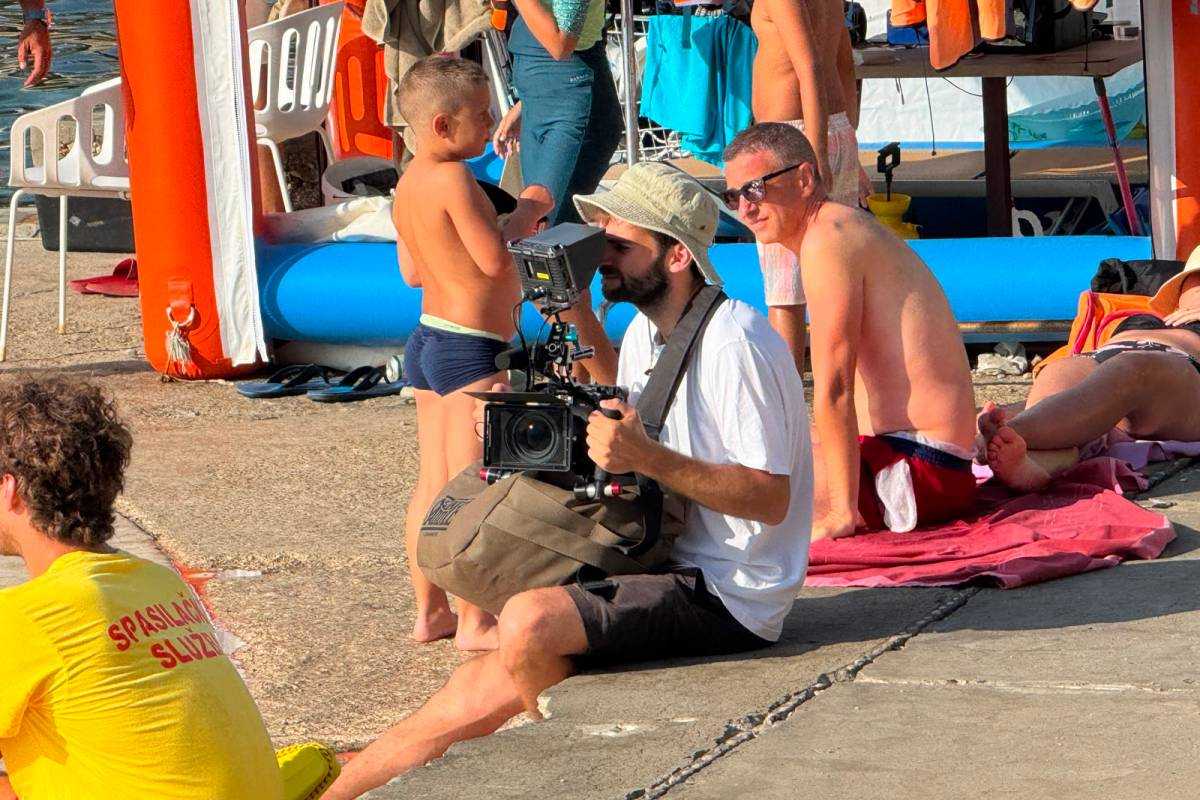
A film crew has been spotted working on Lapad Bay beach, where filming connected to Dubrovnik’s famous Divlja Liga, or Wild League, has been taking place for approximately a week. According to currently available, unofficial information, the city’s much-loved amateur water polo championship is set to become the subject of a documentary film.
For Dubrovnik residents, however, the Wild League has never been simply a sporting competition. It is a summer ritual, a source of neighbourhood pride and one of the clearest expressions of the city’s enduring relationship with the sea.
A Championship Played in Dubrovnik’s Natural Arenas
Officially known as the Dubrovnik Beaches Water Polo Championship, the Wild League brings together amateur teams representing beaches, bays, neighbourhoods and swimming spots from Dubrovnik and its surrounding area.
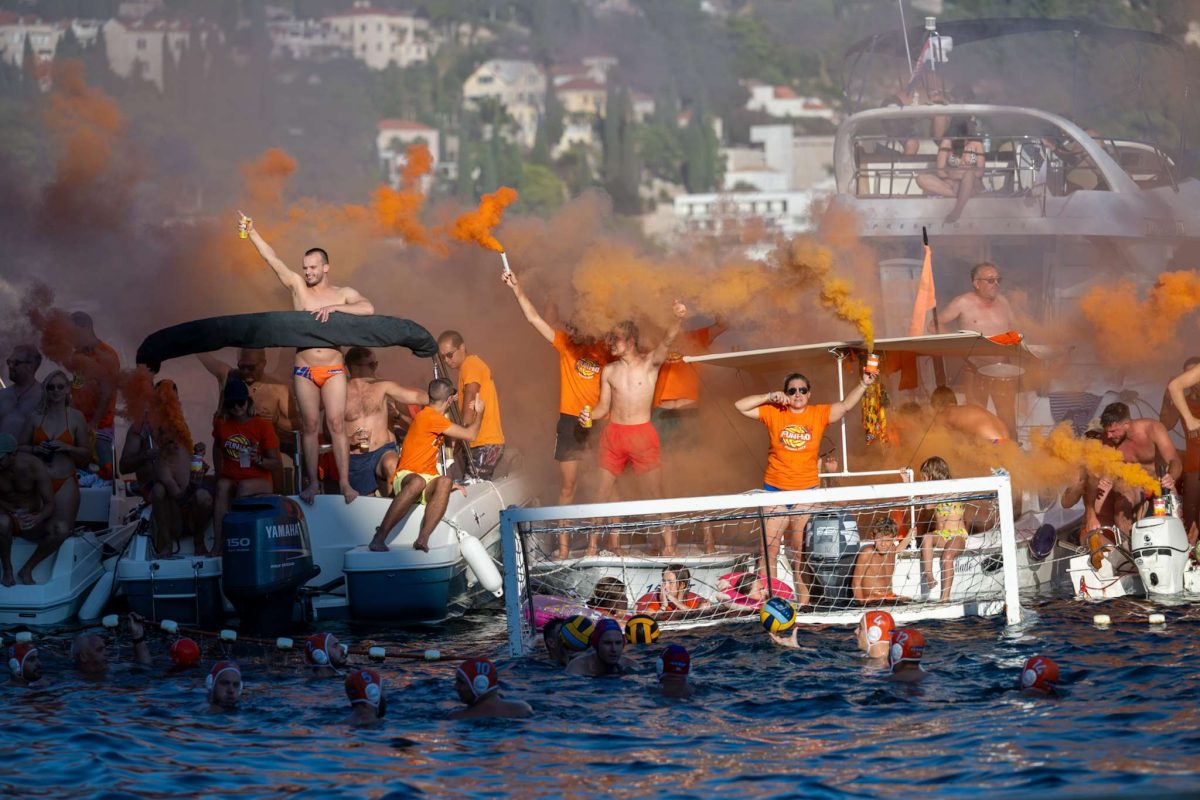
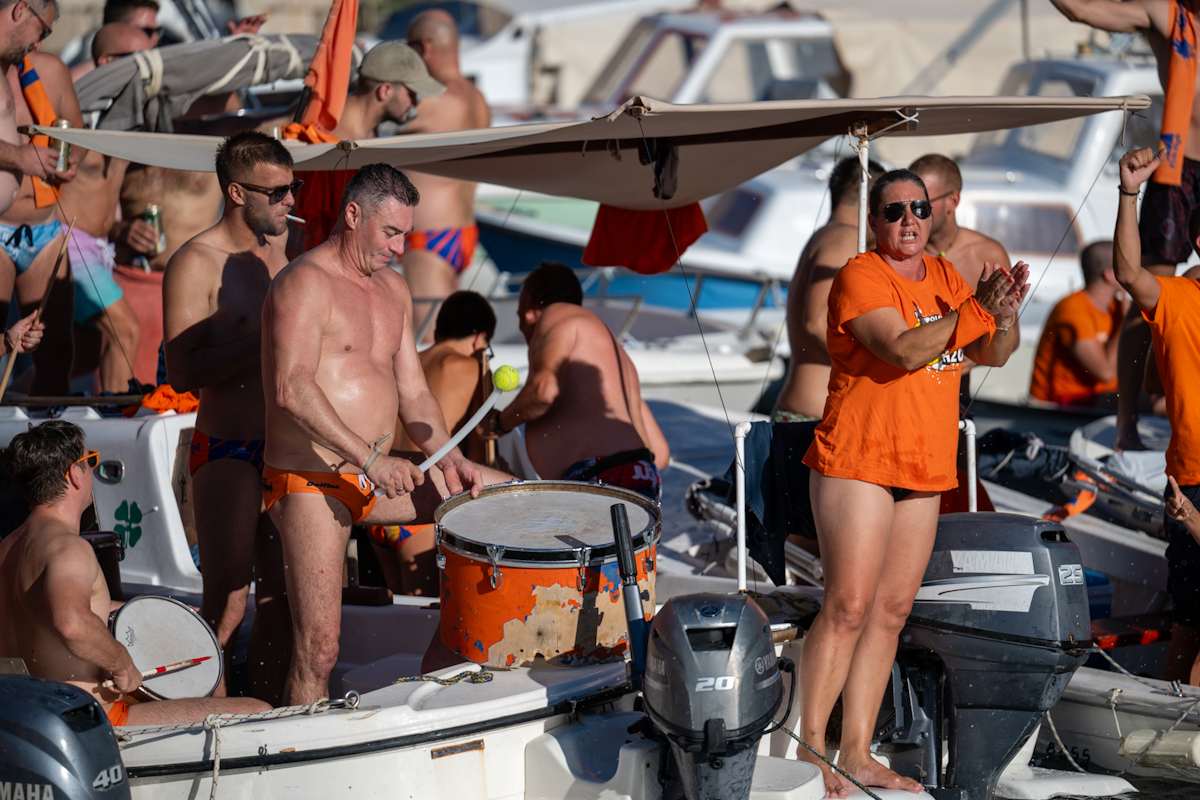
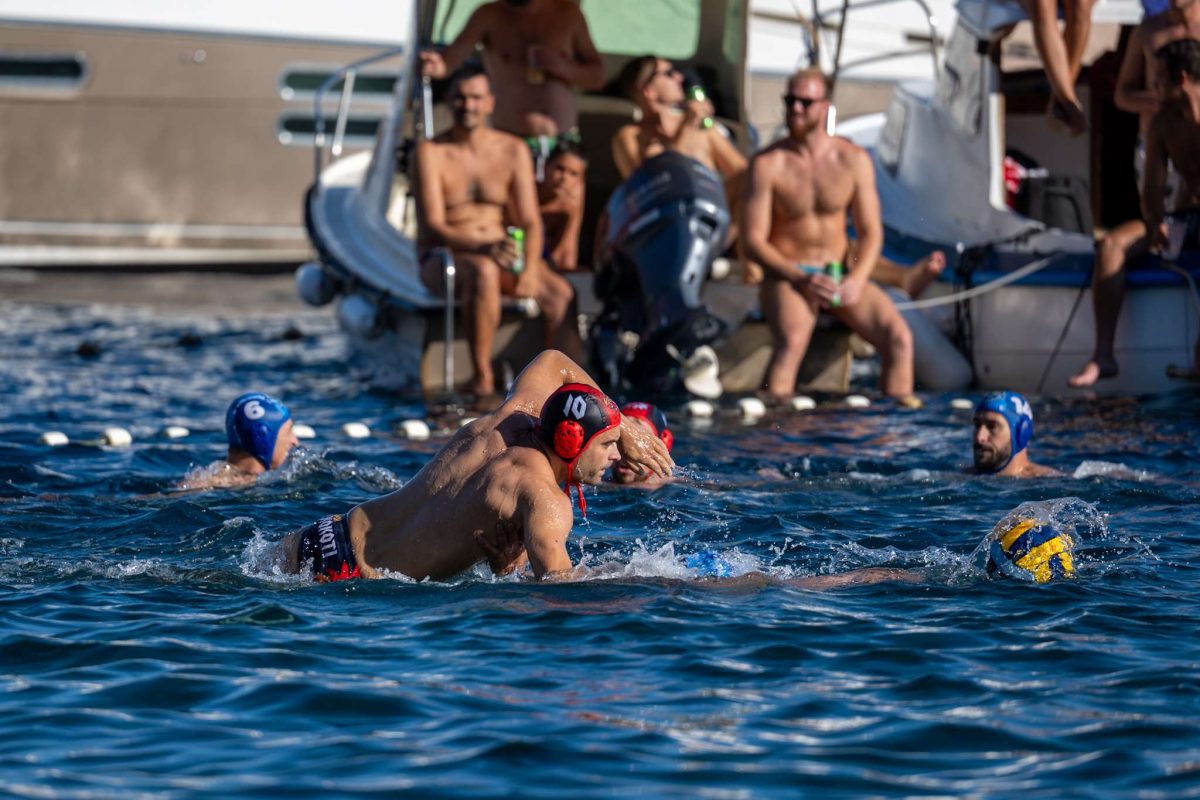
Instead of conventional swimming pools and grandstands, its matches are played in the sea. Beaches, piers, rocks and waterfronts become temporary arenas, while spectators watch from towels, boats, stone walls and crowded shorelines.
Locations such as Danče, Porporela, Bellevue, Šulić, Lapad, Mlini and Zaton are transformed into lively water polo venues during the tournament. The official Wild League website follows the competition through match reports, schedules and extensive photo galleries, documenting not only the results but also the unmistakable atmosphere around the games.
The tournament is frequently described as one of the world’s best-known and largest amateur water polo competitions. Yet its real importance cannot be measured only through the number of teams, players or spectators.
The Wild League belongs to the city because it grew directly from Dubrovnik’s beaches.
A Tradition with Roots Reaching Back to 1922
The roots of informal water polo contests between Dubrovnik’s bathing spots are generally traced to 1922, when teams associated with local beaches began meeting in the sea.
The competition did not initially develop as an uninterrupted annual championship. Matches and tournaments were organised at different times, followed by periods in which the tradition faded or stopped. By the beginning of the 1980s, many believed the old custom might disappear altogether.
The modern, continuously organised era of the Wild League began in 1983, after the championship was revived and established as a regular feature of Dubrovnik’s summer calendar. It has since been held almost every summer, with interruptions during some of the most difficult years of the Croatian War of Independence.
Its survival across generations says much about the role water polo occupies in Dubrovnik.
This is, after all, a city with one of Europe’s strongest water polo traditions. But while professional club competition represents the elite side of the sport, the Wild League takes water polo back to its most elemental form: the sea, a ball, two goals and a group of people determined to defend the honour of their beach.
More Than an Amateur Tournament
Although the players compete as representatives of local swimming spots and neighbourhood teams, the matches are anything but casual.
Rules are clearly defined and taken seriously, referees oversee fiercely contested encounters, and rivalries can stretch across decades. Teams develop their own identities, colours, supporters and traditions, while former professional players and athletes raised in Dubrovnik’s water polo system often appear alongside recreational competitors.
An academic study of the Wild League described it as a tradition built on the enthusiasm and volunteer work of participants and organisers, but also as an important part of the collective identity of Dubrovnik and its surrounding communities. The research highlighted its potential as a form of living local culture, particularly valuable in a city internationally known for its monumental heritage and formal cultural institutions.
That distinction is important.
Visitors may come to Dubrovnik for its walls, palaces and historic streets, but the Wild League offers something far less staged: a glimpse of how the city entertains itself, competes and celebrates when summer belongs to its residents.

Beaches, Rivalries and Local Pride
Every Wild League team carries a geographical and emotional identity.
Some represent famous city beaches, others small bays, neighbourhoods or coastal communities outside Dubrovnik. Supporting a team is often connected to where someone grew up, learned to swim or spent long summer days with family and friends.
Over the years, teams including Danče, Porporela, Copacabana, Elita, FUN H2O Mlini and Kokoti have written their names into the competition’s history. Titles are remembered, defeats are retold and legendary matches become part of Dubrovnik’s summer folklore.
The atmosphere is especially powerful because the line between competitors and spectators is so small. The players may be friends, neighbours, relatives or familiar faces from the beach. Supporters do not sit far away in numbered seats; they stand almost at water level, reacting to every goal, save and refereeing decision.
That intimacy gives the Wild League an energy professional sport rarely reproduces.
A Story Made for Film
The prospect of a documentary feels like a natural next chapter for the competition.
The Wild League already contains everything a compelling film needs: history, rivalry, humour, family tradition, spectacular coastal settings and people deeply attached to the places they represent.
Its story can also reveal a side of Dubrovnik that international audiences do not always see.
Beyond the cruise ships and polished postcard views lies a city of neighbourhoods and swimming spots, where local identities remain strongly connected to the sea. The Wild League captures that Dubrovnik — spontaneous, competitive, emotional and unmistakably local.
According to DuList, filming has been under way for around a week, with a production crew and participants gathered in Lapad. Further details, including the filmmakers, production schedule and planned release, have not yet been officially announced.
Until they are, one thing is already clear: few Dubrovnik traditions are better suited to the documentary screen.
Because the Wild League is not merely a tournament played in the sea. It is a portrait of the city itself — told through its beaches, its rivalries and generations of people who still believe that defending the honour of their favourite swimming spot is serious business.