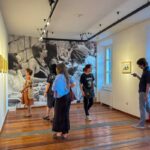
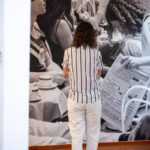
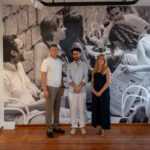
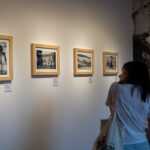
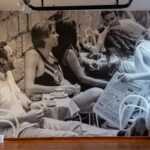
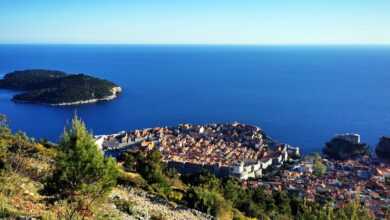
The exhibition Mediterraneanism by Pavo Urban, organised by the Museum of Arts and Crafts in Zagreb and the Dubrovnik Art Gallery, opened on Wednesday, 10 June, at the Dulčić Masle Pulitika Gallery.
The exhibition offers a new perspective on the work of Pavo Urban, the Dubrovnik photographer best known for his powerful images of the city’s destruction in December 1991. His final photographs, taken on 6 December 1991 during the heaviest attack on Dubrovnik, have become part of the city’s collective memory. That same day, Urban lost his life at the age of only 23.
This exhibition, however, looks beyond the tragic and iconic wartime frame through which his work is most often remembered. After being presented in Zagreb and Pula, Mediterraneanism now arrives in Dubrovnik, where it carries a particularly strong emotional meaning.
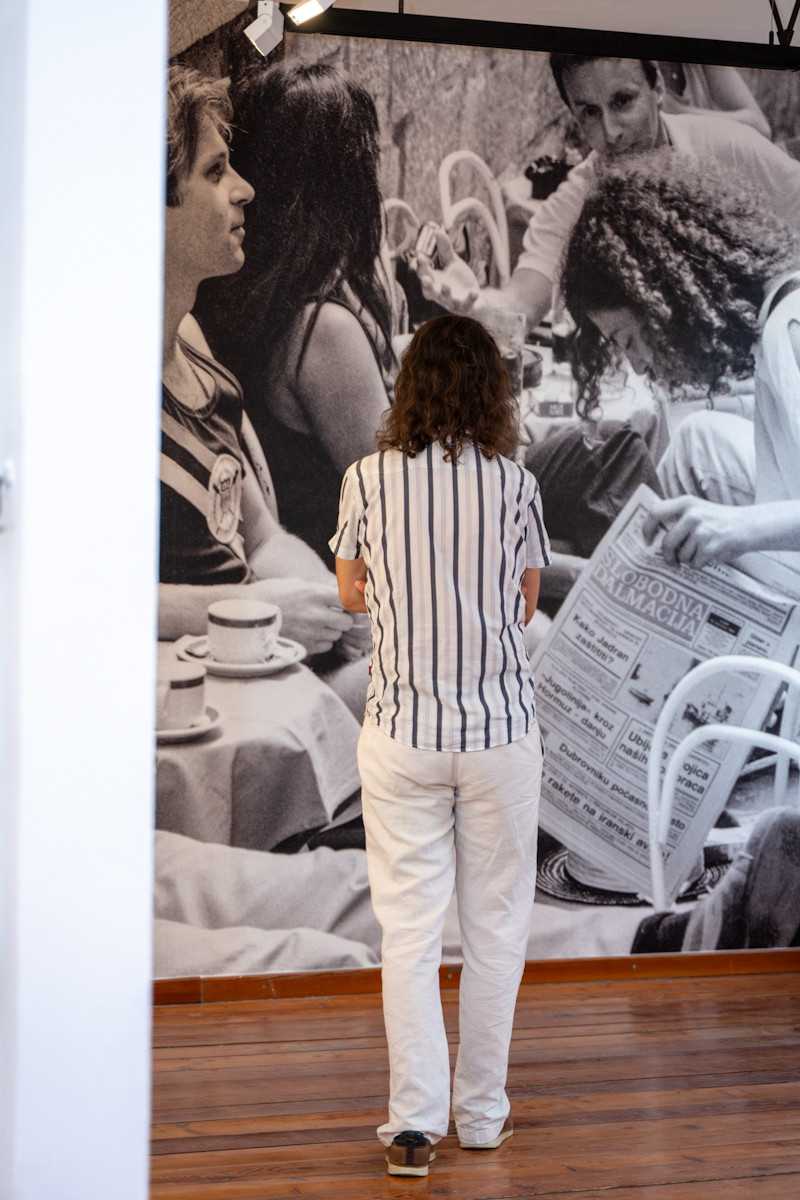
Urban before the war
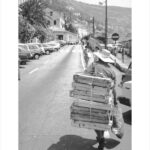
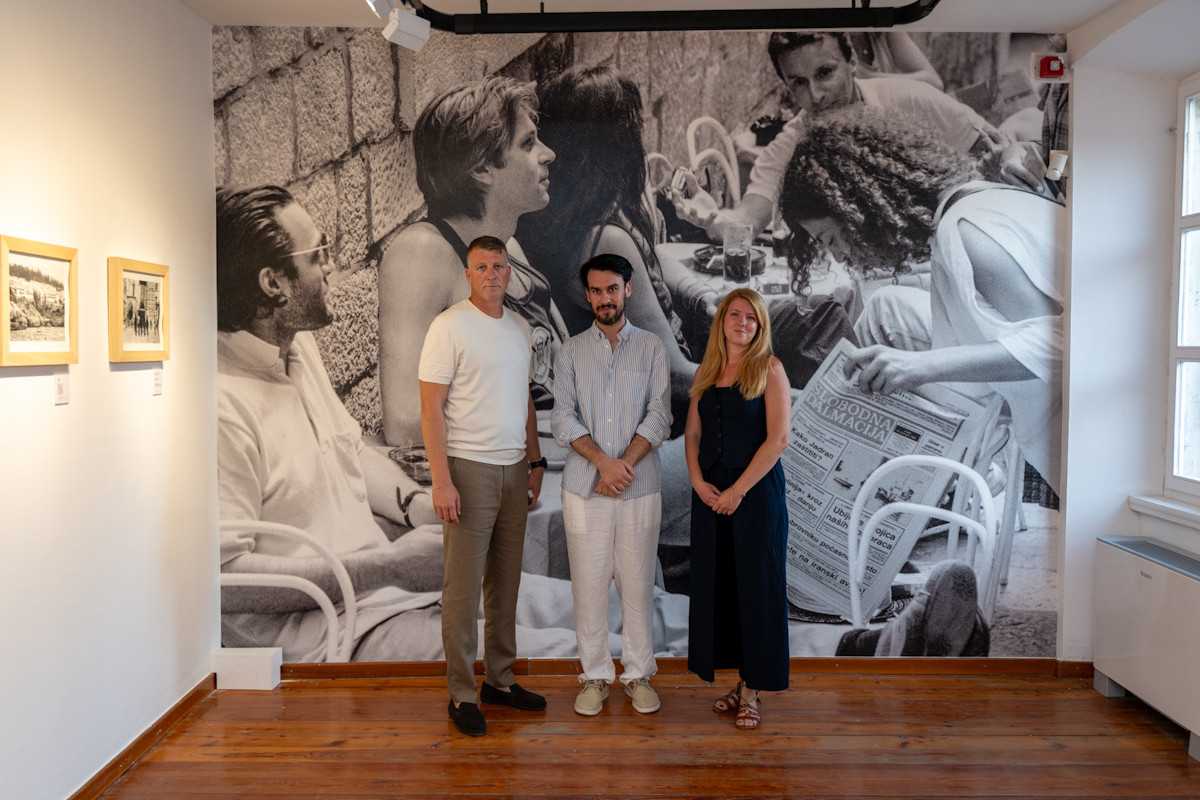
The author and curator of the exhibition, Mate Marić, presents Urban as a Mediterranean photographer. The focus is on photographs taken between 1985 and 1991, before Urban became a war photojournalist.
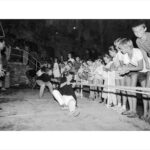
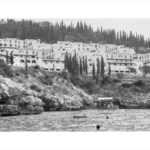
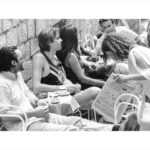
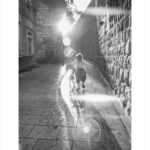
These are images of everyday life: people, faces, stone, light, the sea and the streets. They show the world Urban knew intimately, the rhythm of life around him and the quiet details that shaped his visual language.
Among the figures in the photographs are also “baba” Nika and “none” Tea. Through their gestures, presence and gaze, the exhibition reveals something deeply and archetypically Mediterranean.
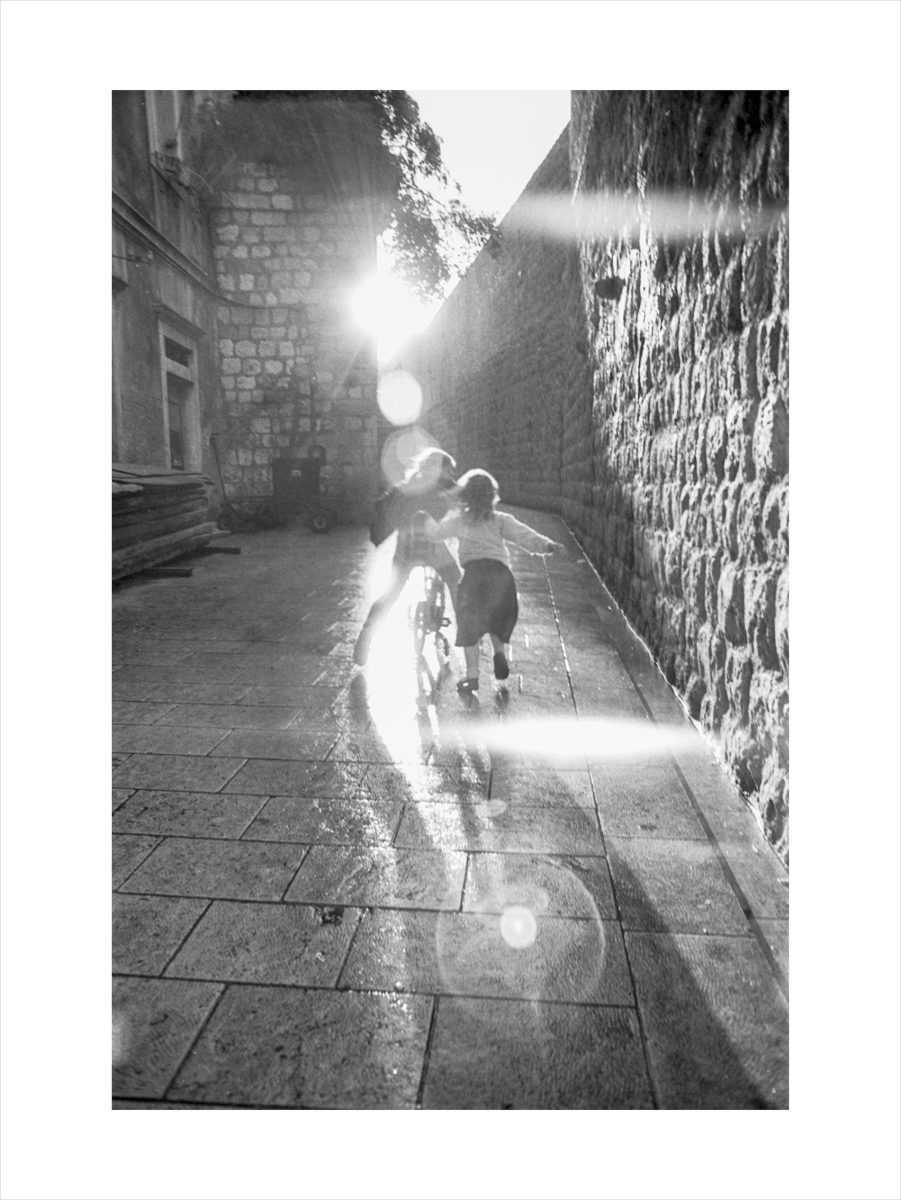
The Mediterranean as a way of seeing
In this exhibition, the Mediterranean is not treated as a simple geographical label. It appears in small, repeated things: in the rhythm of the day, in the relationship between people and space, in the way one sits, talks or remains silent.
It is a Mediterranean world close to the one described by writers such as Predrag Matvejević and Vladimir Nazor: complex, layered, contradictory and instantly recognisable. The Mediterranean is not a nation, but a civilisational matrix, shaped by centuries of cultures, languages and encounters.
Pavo Urban, as the exhibition suggests, spoke some of those languages through photography.
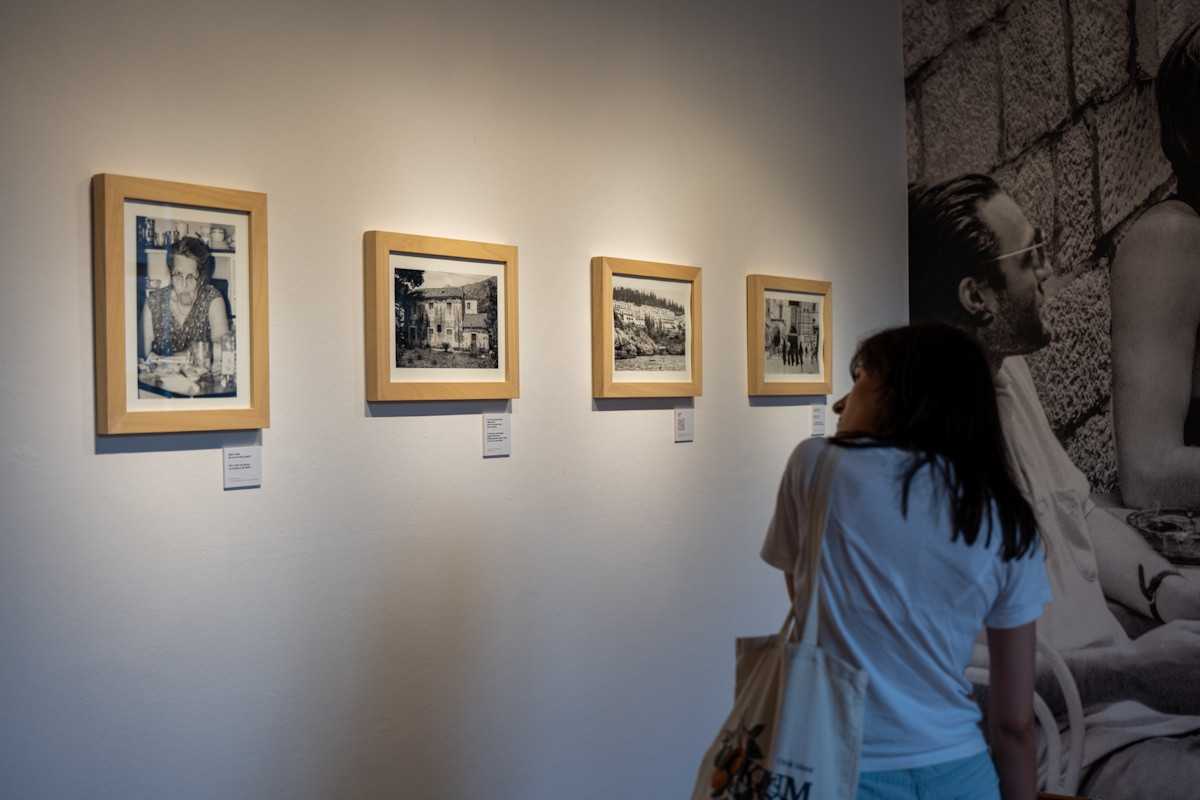
Fifteen photographs from Urban’s world
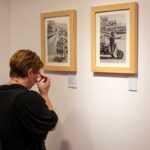
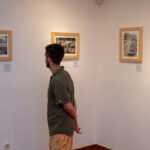
The exhibition at the Dulčić Masle Pulitika Gallery presents 15 photographs taken in Urban’s immediate surroundings, in Dubrovnik and its wider area, along with several works created outside the Dubrovnik region.
All the photographs come from the Pavo Urban Study Collection, which contains around 9,500 negatives made from the very beginning of his photographic work to his final images of wartime Dubrovnik. The collection was donated to the Museum of Arts and Crafts in Zagreb.
Each photograph in the exhibition is accompanied by a quotation from major Mediterranean authors and artists, from Mahmoud Darwish and Marin Držić to Puccini and Drago Gervais.
The curator of the Dubrovnik presentation on behalf of the Dubrovnik Art Gallery is Dora Lučić.
A name deeply connected with Dubrovnik
Pavo Urban was born in Dubrovnik in 1968. He began taking photographs on his own while still in secondary school and later became a member of the Marin Getaldić Photo Club. In 1991, he worked as the official photographer of the Marin Držić Theatre and the Dubrovnik Summer Festival.
That same year, as Dubrovnik came under attack, Urban documented the destruction of the city as a war reporter. He was killed on 6 December 1991, while photographing the assault on Dubrovnik.
Today, his work is preserved in the collections of the Museum of Arts and Crafts in Zagreb and the Dubrovnik Art Gallery. His name remains one of the most important in Croatian photography and one of the lasting symbols of wartime Dubrovnik.
The exhibition Mediterraneanism by Pavo Urban remains open at the Dulčić Masle Pulitika Gallery until 19 July 2026.